Owner’s manual
 Error Codes

Where can I buy Craftsman garage door opener parts?
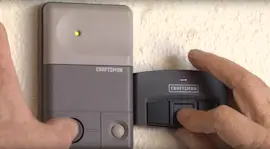
You can buy replacement parts and accessories for your Craftsman 13953778 3-function transmitter through Sears PartsDirect. Use the model number to match the correct items, then follow the manual’s guidance to set code switches and confirm compatibility before installing.
What to have ready before you order
- Model number: 13953778
- Brand: Craftsman
- Product type: 3-function transmitter
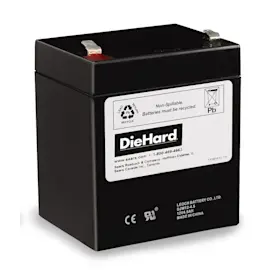
- The part you need (common items include a 12V battery, visor clip, or transmitter case)
- Your current transmitter’s code switch positions (so the replacement can be set to match)
Common replacement items for model 13953778
The 13953778 owner's manual lists these typical service items for this transmitter:
| Item | What it does | When to replace |
|---|---|---|
| Transmitter case (top and bottom, no circuit board) | Protects the electronics | Cracked case, broken buttons, water damage to housing |
| Visor clip | Mounts remote to vehicle visor | Clip won’t hold, broken spring |
| 12V battery | Powers the transmitter | Remote range is short, LED is dim or remote is intermittent |
Why it matters to match the code switches
This Craftsman transmitter uses code switches that must match across devices for the receiver to respond. In the manual, code switches #2 through #9 must match in all transmitters used with the same receiver; on a 3-function transmitter, switch #1 is neutral and does not affect the selected code.
Quick ordering tips (to avoid wrong parts)
- Match the model number 13953778 exactly when searching
- Confirm whether you need an accessory (battery, clip, case) versus a full transmitter
- If you are replacing a transmitter, copy the existing code switch settings before discarding the old one
- After installing a replacement, follow the manual steps to sync the transmitter to the receiver
Last updated: February 2026
What is the life expectancy of a Craftsman garage door opener?
A Craftsman garage door opener typically lasts 10 to 15 years under normal residential use. Heavy daily cycling, an unbalanced door, and neglected lubrication shorten lifespan; keeping the door hardware and safety sensors in good shape helps the opener motor and drive system last longer.
Typical lifespan by component
Even when the opener is still running, certain wear items usually drive the “replace vs. repair” decision.
| Component | Typical service life | What you’ll notice when it’s wearing out |
|---|---|---|
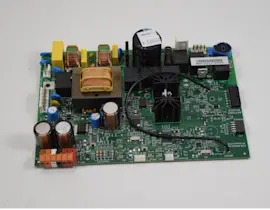
| Opener motor and logic board | 10 to 15 years | Intermittent operation, random stops, no response to remote/wall control |
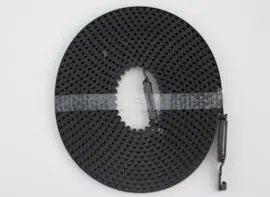
| Drive system (chain/belt/screw) | 7 to 12 years | Slipping, jerky travel, louder operation |
| Safety sensors and wiring | 8 to 15 years | Door reverses unexpectedly, lights flash, sensor alignment issues |
| Remote/transmitter (like Craftsman 13953778) | 5 to 10 years | Reduced range, inconsistent button response |
What shortens (or extends) opener life
We see the biggest lifespan differences come from door condition and usage.
- High cycles per day (multiple vehicles, kids, deliveries)
- Unbalanced or binding door (forces the opener to work harder)
- Dry rollers/hinges (increases load and noise)
- Misaligned photo eyes (causes reversals and extra cycling)
- Power surges (can damage electronics)
- Cold/heat and humidity in the garage (accelerates wear)
Maintenance that makes the biggest difference
These steps protect the opener and the door system.
- Test door balance; the door should stay near mid-travel when released
- Lubricate rollers, hinges, and springs with garage-door-rated lubricant (not heavy grease)
- Clean and align safety sensors; keep the lens area dust-free
- Tighten visible hardware and check the rail/drive for looseness
- Verify force and travel limits per the 13953778 owner's manual
Why it matters
A worn opener can still “work” but become unreliable or unsafe (unexpected reversals, failure to close, or inconsistent remote response). Keeping the door moving freely reduces strain on the motor, drive, and electronics.
Last updated: February 2026
Is it cheaper to repair or replace a garage door opener?
Repair is cheaper when the problem is limited to small, serviceable items (like a remote battery or code settings) and the opener system is otherwise reliable; replacement is the better value when the opener is older, has repeated failures, or the repair cost is close to the price of a new unit. For Craftsman model 13953778 (a 3-function transmitter), the only user-serviceable repair is typically the battery and code matching per the owner's manual.
Quick decision guide (repair vs replace)
Use these rules to decide fast:
- Repair when the issue is the transmitter not working, and a new 12V battery or re-syncing/matching code switches fixes it.
- Repair when the opener itself works fine with a wall button or another remote, but this transmitter does not.
- Replace when the opener head (motor/logic) is failing, the door reverses randomly, or it needs frequent service.
- Replace when safety features or reliability are poor and you are repeatedly troubleshooting.
- Replace when a major repair estimate is around half (or more) of the cost of a new opener.
What you can actually repair on model 13953778
This model is a Craftsman 3-function transmitter. The manual is clear that there are no other user serviceable parts besides:
- Changing the code setting (DIP switches)
- Replacing the transmitter battery
If the transmitter case is damaged or the buttons are physically worn out, replacement is usually the practical path.
Typical cost comparison (real-world ranges)
Costs vary by region and door size, but these ranges help you judge value:
| Scenario | Typical outcome | Typical cost range |
|---|---|---|
| Remote/transmitter issue (battery, code match) | Repair | Low cost |
| Opener accessory issue (sensors, wiring, controls) | Repair if isolated | Moderate |
| Opener motor/logic board failure or repeated breakdowns | Replace | Moderate to higher |
Why it matters
A garage door opener is both a convenience and a safety system. Spending a little to restore reliable operation (battery, code match) makes sense; spending a lot on an aging, failure-prone opener usually does not.
Last updated: February 2026
How do I tell what garage door model I have?
To identify your garage door model (the door itself, not the opener), we look for the manufacturer label or stamp on the door sections and hardware. If you only find a label on the ceiling-mounted motor unit, that identifies the opener or remote system (for example, Craftsman 13953778), not the door.
Where to look on the garage door (door model)
Check these common spots with the door closed and the opener unplugged for safety:
- Inside face of the top section, near the left or right corner
- Inside face of the bottom section, near a corner
- Along the vertical track (the metal rails on either side)
- Near a hinge or end stile (the vertical reinforcement on the section)
- On a warning label that also lists wind load or installation info
If you only find a model on the opener or remote
A label on the power head (motor unit) or a handheld remote identifies the opener system. For example, Craftsman model 13953778 is a 3-function transmitter (remote), and its manual focuses on transmitter and receiver coding, not door identification.
- Use the opener/remote model when ordering opener electronics (remote, receiver, visor clip, battery)
- Use the door model when ordering door-specific items (sections, hinges, rollers, bottom seal)
Quick comparison: door model vs. opener model
| What you’re identifying | Where the label usually is | What it’s used for |
|---|---|---|
| Garage door model | Door sections, side tracks, hinges | Door hardware and door-specific parts |
| Garage door opener model | Ceiling motor unit, under light cover, side/back label | Opener parts and accessories |
| Remote/transmitter model | Back of remote, inside battery compartment | Remote programming/coding and replacement |
Why it matters
Garage door parts and garage door opener parts are not interchangeable. Getting the correct model number first prevents ordering the wrong rollers, hinges, remotes, or receiver components.
For Craftsman 13953778 transmitter details (including code switch matching and receiver code button steps), use the 13953778 owner's manual.
Last updated: February 2026
What are the common problems with Craftsman garage door openers?
Common Craftsman garage door opener problems are usually power issues, safety sensor alignment/obstructions, remote or wall control problems, and worn drive components that cause noise or slipping. For the Craftsman 13953778 3-function transmitter, the most common issue is a code-setting mismatch between the transmitter and the receiver.
Most common symptoms and what they point to
- Door starts down then reverses: safety sensors blocked or misaligned
- Opener runs but door does not move: stripped gear, broken belt/chain, or disengaged trolley
- Grinding, squealing, or rattling: dry hardware, loose fasteners, worn rollers, or worn drive parts
- No response from remote: dead battery, wrong code settings, or receiver not in learn mode
- Intermittent operation: signal interference, weak battery, or loose wiring at controls/sensors
Craftsman 13953778 transmitter issues (code switches and battery)
This model is a 3-function transmitter that uses code switches. All transmitters used with the same receiver must match code switch positions #2 through #9; code switch #1 on a 3-function transmitter is neutral and can be set to any position without changing the code.
Quick code and compatibility checklist
| Item to check | What “correct” looks like | What happens if it’s wrong |
|---|---|---|
| Transmitter switches #2 to #9 | Match the receiver and other remotes | Remote will not operate the door |
| Transmitter switch #1 | Any position (neutral) | No effect on code |
| Receiver has only 7 or 8 switches | Set transmitter switch #8 and/or #9 to center (0) | Remote may not match receiver |
For step-by-step code setting and receiver pairing, follow the instructions in the 13953778 owner's manual.
Why it matters
Garage door openers are designed to stop or reverse when they sense an obstruction. That means a small issue (like a sensor alignment problem or a mismatched transmitter code) can look like a major failure, even when the motor and drive system are fine.
Safety and troubleshooting tips we recommend
- Disconnect power before touching wiring or the opener cover
- Keep the door area clear and clean the sensor lenses
- Replace the transmitter battery if range drops suddenly
- Stand away from the door when testing remotes and safety reversal
- If the door is heavy or binds by hand, address door hardware first (springs, rollers, tracks)
Last updated: February 2026