 Owner’s manual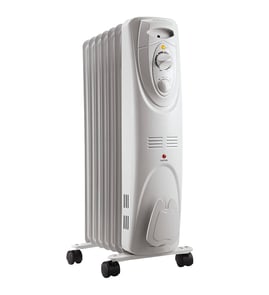

Do space heaters use a lot of electricity?
No, the Corona 23DK is a kerosene heater, so it does not use electricity for heat the way an electric space heater does. It burns No. 1-K kerosene for heating output; electricity use is limited to small ignition-related components (if equipped). See the owner's manual for operating and fuel requirements.
What the 23DK uses for heat (and what it does not)
The 23DK’s heat comes from fuel combustion, not an electric heating element.
- Heating output is 22,800 BTU/hr (fuel-fired heat)
- Use only water-clear No. 1-K kerosene (ASTM 1-K) or approved synthetic kerosene heater fuels
- Do not use gasoline, diesel, or No. 2 fuel oil
- Ventilation is required; keep airflow available in the room
- Ignition may use batteries (not household electricity)
Quick comparison: kerosene vs. electric space heaters
| Heater type | Main energy source | Typical “power draw” | What drives cost |
|---|---|---|---|
| Corona 23DK kerosene heater | Kerosene | Minimal (ignition only) | Fuel consumption (gallons per hour) |
| Electric space heater | Electricity | Commonly 750 to 1,500 watts | kWh rate and hours used |
Why it matters
If you are trying to lower your electric bill, a kerosene heater like the Corona 23DK typically will not be the cause of high electrical usage. The bigger concerns are fuel choice, safe operation, and proper ventilation to reduce indoor air pollution risk.
Tips to keep operating costs and problems down
- Use clean 1-K kerosene; poor fuel increases odor, soot, and maintenance
- Start the season with fresh batteries (if your unit uses battery ignition)
- Keep the grille guard in place during operation
- Store and maintain the heater as outlined in the manual; wick condition affects performance
- Plan for reduced heating output at higher elevations
Last updated: February 2026
Is it cheaper to run your heat or use a space heater?
Using a space heater is cheaper only when we heat one small, occupied room for a limited time; whole-home central heat is usually the better value for keeping the entire house comfortable. For the Corona 23DK kerosene heater, fuel cost and safe ventilation needs are the deciding factors, not just heater size.
How to compare costs (quick method)
Use the same approach for any heater type: compare cost per hour at the heat level you actually use.
- Find your fuel price (electricity per kWh, kerosene per gallon, natural gas per therm)
- Estimate heater input (watts for electric, BTU/hr for fuel-burning)
- Convert to cost per hour
- Multiply by hours used per day
- Compare against what your central system uses to heat the whole home
Simple comparison table
| Heating option | Best use case | Typical “cheapest” scenario |
|---|---|---|
| Central heat (gas or heat pump) | Whole-home comfort | Heating multiple rooms for many hours |
| Electric space heater | Spot heating | One room, short periods, doors closed |
| Kerosene heater (Corona 23DK) | Spot heating where allowed | One larger room with good ventilation and steady use |
Corona 23DK specifics that affect “cheaper”
From the Corona 23DK specifications, the heater is rated at 22,800 BTU/hr with a 1.6-gallon tank and about 95 hours of continuous heating (varies with setting). We use those numbers to estimate fuel use and cost. See the owner's manual for operating and safety details.
- Heating output: 22,800 BTU/hr
- Recommended heating area: about 810 sq ft
- Fuel: water-clear No. 1-K kerosene (ASTM 1-K) or approved synthetic fuels
- Ventilation: required; small rooms need extra fresh air
Why it matters (comfort, safety, and real-world savings)
Even if a space heater looks cheaper on paper, savings disappear if we have to heat extra rooms, run it longer than planned, or operate it unsafely. With a kerosene heater, proper fuel and ventilation are mandatory for safe, efficient heating.
Last updated: February 2026
How big of a room will a 1500 W space heater heat?
A 1500 W electric space heater typically provides comfortable supplemental heat for about 150 sq ft in an average, insulated room (rule of thumb: ~10 watts per square foot). For your Corona 23DK kerosene heater, the rating is different: the manual lists a recommended heating area of about 810 sq ft.
Quick sizing guide (1500 W electric)
Use these as practical expectations for most homes:
- 100 to 150 sq ft: primary or strong supplemental heat
- 150 to 250 sq ft: mild supplemental heat (depends heavily on insulation and drafts)
- High ceilings, poor insulation, or very cold climates: expect less coverage
- Open floor plans: heat spreads out, so the “felt” warmth drops
- Fans and air circulation: can help distribute heat but do not increase total heat output
How this compares to your Corona 23DK (kerosene)
Your Corona 23DK is specified in BTU/hr, not watts. Here is what the manual lists:
| Heater type | Output rating | Typical coverage guidance |
|---|---|---|
| 1500 W electric heater | 1500 W | ~150 sq ft (rule of thumb) |
| Corona 23DK kerosene heater | 22,800 BTU/hr | Recommended heating area ~810 sq ft |
For the exact Corona 23DK specifications and operating limits, use the owner's manual.
Why it matters
Choosing the right heater size helps you avoid rooms that never get comfortable, and it reduces the temptation to run a heater at maximum output constantly. With kerosene heaters, correct sizing also ties directly to ventilation needs and safe operation.
Safety and placement basics (especially important for kerosene heaters)
From the Corona guidance, we recommend these essentials:
- Use the heater only in well-ventilated areas
- Keep the heater at least 3 feet from combustibles (furniture, drapes, clothing)
- Never use it in small closed rooms (for example, a bathroom with the door shut)
- Never refuel, move, or service the heater while operating or still hot
- Never leave the heater unattended, and extinguish it before sleeping
Last updated: February 2026
Why is 23DK so special?
On a Corona 23DK kerosene heater, “23DK” is special because it is the model identifier that tells us exactly which heater you have and which specifications, operating steps, and maintenance parts (like the correct wick) apply. Use the owner's manual to match procedures and specs to your exact heater.
What “23DK” means for your heater
The model number ties directly to the heater’s design and performance targets, including:
- Heating output: 22,800 BTU/hr
- Fuel tank capacity: 1.6 gallons
- Recommended heating area: about 810 sq ft
- Continuous heating time: about 9.5 hours (typical under normal conditions)
- Ignition system: 2 “D” size dry cell batteries
Quick spec comparison (23DK vs 18DK)
If you are comparing similar Corona heaters, the manual lists these general differences:
| Spec | 23DK | 18DK |
|---|---|---|
| Heating output | 22,800 BTU/hr | 18,000 BTU/hr |
| Recommended heating area | ~810 sq ft | ~650 sq ft |
| Fuel tank capacity | 1.6 gallons | 1.6 gallons |
Why it matters (parts, safety, and performance)
Using the correct model number helps us keep your heater running safely and efficiently.
- Correct maintenance steps: The manual shows how to assemble, operate, and maintain the 23DK.
- Correct wick selection: The 23DK uses a specific genuine Corona replacement wick; using the wrong wick can cause poor burning and create a fire hazard.
- Ventilation requirements: Kerosene heaters must be used in well-ventilated areas to reduce indoor air pollution risk.
- Altitude effects: Heating output drops as elevation increases.
If you meant “special” as in the number 23
Outside of heaters, people sometimes call 23 “special” because it shows up in math and pop culture. For repairs and parts, though, what matters is that 23DK identifies your exact Corona heater model.
Last updated: February 2026
What is the safest heater to leave on all night?
For overnight heat, the safest option is a permanently installed home heating system. For the Corona 23DK kerosene heater, our guidance is simple: do not run it while sleeping; the 23DK owner's manual says to extinguish the heater before sleeping and never leave it unattended.
What the Corona 23DK manual requires
Because the 23DK is a kerosene-fired (open-flame) heater, safe use depends on supervision, correct fuel, and ventilation.
- Always extinguish the heater before sleeping.
- Never leave the heater unattended while in use.
- Use the heater only in well-ventilated areas.
- Do not use the heater in a bathroom or other small room with the door closed.
- Keep the heater on a level surface.
- Keep it out of high-traffic areas (doorways and hallways) where it can be bumped or tipped.
If you need heat overnight (safer alternatives)
If you need heat while sleeping, use a fixed heating system. If you must use a portable heater, choose an electric model with built-in safety shutoffs and follow its instructions.
| Heater type | Best use case | Why it is safer for overnight use |
|---|---|---|
| Permanently installed heat | Sleeping, unattended hours | No refueling, no open flame in the room |
| Oil-filled electric radiator | Bedrooms, steady heat | Enclosed heat source, stable and quiet |
| Ceramic electric heater with tip-over and overheat shutoff | Short, attended use | Safety shutoffs help reduce common hazards |
| Kerosene heater (Corona 23DK) | Attended, ventilated areas only | Combustion appliance; requires ventilation and supervision |
Quick safety checklist (any heater)
- Keep combustibles (clothing, bedding, curtains, furniture) well away from the heater.
- Maintain ventilation for any fuel-burning heater.
- Refuel and service only when the heater is off and cool.
- Use only water-clear NO. 1-K kerosene (ASTM 1-K) or approved synthetic fuel for kerosene-fired portable heaters.
Why it matters
Overnight use is risky because heaters are unattended; ventilation can change, and a heater can be bumped or end up too close to combustibles. Following the 23DK operating rules prevents fire risk and indoor air pollution buildup.
Last updated: February 2026