Installation guide
 Owner’s manual
 Error Codes


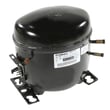

What is the average lifespan of a KitchenAid refrigerator?
KitchenAid refrigerators typically last 12 to 15 years on average, and many run 10 to 17 years with normal use. A built-in model like KitchenAid KSSO48QTX03 often reaches the higher end when the condenser is kept clean, doors seal tightly, and temperatures stay properly set (see the KSSO48QTX03 owner's manual).
Typical lifespan ranges (what to expect)
Most refrigerators fall into a few common lifespan bands based on design and upkeep:
- 10 to 12 years: heavier use, warmer kitchens, or poor airflow around the unit
- 12 to 15 years: typical real-world average for many KitchenAid units
- 15 to 17+ years: strong maintenance habits and stable operating conditions
| Lifespan band | What usually drives it | What you can do |
|---|---|---|
| 10 to 12 years | Dirty condenser, frequent door openings, warm ambient temps | Improve airflow, clean coils, verify door seal |
| 12 to 15 years | Normal use and maintenance | Keep temps steady, replace filters on schedule |
| 15 to 17+ years | Excellent maintenance, fewer stressors | Address small issues early (fans, seals, controls) |
Maintenance that extends refrigerator life
These steps reduce compressor run time and help prevent cooling-system strain:
- Clean the condenser area regularly so heat can dissipate efficiently
- Keep door gaskets clean and sealing; fix gaps before frost and moisture build up
- Set stable temps (commonly 37°F fresh food and 0°F freezer) and avoid frequent changes
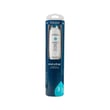
- Replace the water filter on schedule if your model uses one; use the correct refrigerator water filter EDR3RXD1
- Make sure interior airflow is not blocked by tightly packed food
- Listen for changes in fan noise; evaporator and condenser fan issues can raise temperatures
Why it matters
A refrigerator usually fails early from heat stress (poor condenser airflow), air leaks (bad door seals), or neglected small problems that force the sealed system to work harder. Protecting the sealed system is especially important because it includes major components like the compressor and condenser.
Last updated: February 2026
What fridge to stay away from?
We don’t recommend “staying away” from a specific refrigerator brand or model based on a general list; the better approach is to match features and reliability to your needs, then verify fit and installation requirements for your KitchenAid KSSO48QTX03 built-in refrigerator using the installation guide.
What to look for instead (practical red flags)
When you’re comparing refrigerators, these are the issues that most often lead to frustration and service calls:
- Poor temperature stability (food spoils faster, freezer burn increases)
- Weak door sealing or doors that don’t align well (warm air leaks, frost, sweating)
- Noisy or inconsistent airflow (evaporator fan or condenser fan problems)
- Complicated water/ice systems with hard-to-service tubing and fittings
- Limited parts availability or unusually expensive proprietary components
Built-in vs freestanding: why comparisons can be misleading
Your KSSO48QTX03 is a built-in refrigerator, so it has different priorities than many freestanding models (cabinet fit, ventilation, door swing, panel/handle kits). Use this quick comparison when reading reviews:
| What you’re evaluating | Built-in (like KSSO48QTX03) | Freestanding |
|---|---|---|
| Fit and clearances | Critical | Usually flexible |
| Ventilation and heat sources | Critical | Important |
| Door swing and panel alignment | Critical | Important |
| Water line routing | Often more complex | Often simpler |
Why it matters
A “bad fridge” for one kitchen can be a good fridge in another. For built-in installations, the most common problems come from fit, ventilation, and water line setup, not just brand reputation. Our installation guidance also recommends avoiding locations near heat sources and not installing where temperatures fall below 55°F (13°C).
If you’re troubleshooting your current refrigerator instead
If the reason you’re shopping is poor cooling, start with airflow and temperature sensing checks. Common repair paths on this model include the evaporator fan system and temperature sensing.
- If airflow is weak or noisy, the refrigerator evaporator fan motor W11671461 is a common suspect
- If temperatures swing, the refrigerator temperature sensor WP2188820 can be involved
- If you have water taste/flow issues, replace the refrigerator water filter EDR3RXD1
Last updated: February 2026
What is the most reliable side-by-side refrigerator?
If you want the most reliable side-by-side refrigerator, we recommend prioritizing a simpler, serviceable design with proven core cooling components and strong parts availability. For built-in side-by-side units like KitchenAid model KSSO48QTX03, long-term reliability is driven more by installation quality, airflow, and maintenance than by brand name alone.
What “most reliable” usually means in real use
Reliability is typically a mix of consistent temperatures, fewer leaks, fewer ice and water issues, and easy-to-source replacement parts.
- Stable cooling in both compartments (evaporator fan and sensors working correctly)
- Fewer water/ice failures (filter fit, tubing connections, dispenser door sealing)
- Good airflow and clean condenser area
- Doors sealing tightly (gaskets aligned, no warm air leaks)
- Straightforward controls (fewer intermittent electronic issues)
How to choose a reliable side-by-side (what to look for)
When comparing brands and models, we focus on these practical checkpoints:
| What to check | Why it matters | What you can do |
|---|---|---|
| Parts availability | Repairs stay affordable and realistic | Confirm common parts are easy to get for your model |
| Cooling airflow | Poor airflow causes warm temps and compressor strain | Keep vents clear; address fan noise quickly |
| Water system simplicity | Most nuisance calls are water/ice related | Replace filters on schedule; fix small leaks early |
| Door seal and alignment | Air leaks create frost, temp swings, and long run times | Inspect gaskets; correct door closing issues |
Reliability tips for KitchenAid KSSO48QTX03 owners
Because KSSO48QTX03 is a built-in side-by-side, installation and cabinet clearances matter. The installation instructions emphasize using two or more people and measuring for the planned install style; that helps prevent cabinet interference, door misalignment, and airflow problems that shorten component life. Use the installation guide for the correct built-in setup details.
If you are troubleshooting reliability-related symptoms, these model-matched parts are commonly involved:
- Water quality and flow issues: replace the refrigerator water filter EDR3RXD1
- Temperature swings or warm sections: check the refrigerator temperature sensor WP2188820
- Noisy or weak airflow in the fresh food/freezer: inspect the refrigerator evaporator fan motor W11671461
- Dispenser air leaks or ice chute issues: inspect the refrigerator ice dispenser door WP2180353
Why it matters
A “reliable” refrigerator is one that holds safe food temperatures with minimal downtime. Choosing a model with fewer problem-prone features, then keeping the water system, airflow, and door seals in good shape, prevents the most common side-by-side failures.
Last updated: February 2026