Owner’s manual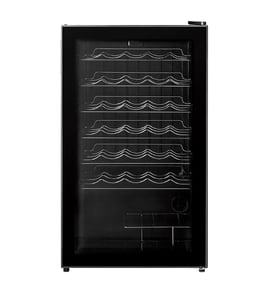

What is the life expectancy of a wine cooler?
Most wine coolers typically last 10 to 15 years with normal use. For the Edgestar CWR361FD, lifespan depends heavily on ventilation, ambient temperature (keep it 50°F to 95°F), and routine care like cleaning and timely carbon filter replacement; these habits reduce compressor strain and temperature swings.
Typical lifespan ranges (what to expect)
Wine and beverage coolers tend to fall into these real-world ranges:
- 5 to 10 years: heavy use, poor ventilation, frequent door opening, warm room conditions
- 10 to 15 years: typical household use with good airflow and basic maintenance
- 15+ years: light use, stable indoor environment, consistent upkeep
What extends the life of the CWR361FD
These practices directly reduce cycling and wear on the sealed cooling system:
- Install the unit indoors in a well-ventilated location
- Keep ambient temperature between 50°F and 95°F
- Minimize long or frequent door openings (helps prevent temperature recovery strain)
- Keep the door gasket sealing well and the door fully closed
- Replace the carbon filter every 3 to 6 months (every 3 months is ideal in a kitchen)
Maintenance quick-check table
| Item | Best practice | Why it helps |
|---|---|---|
| Ventilation | Maintain proper airflow at the front vent and around the cabinet | Prevents overheating and short cycling |
| Carbon filter | Replace every 3 to 6 months | Reduces odors and keeps airflow cleaner |
| Defrost/cleaning | Defrost, wipe interior, then restart | Improves efficiency and reduces frost issues |
| Door habits | Open less often, close fully | Stabilizes temperature and reduces run time |
Why it matters
A wine cooler’s most expensive components (like the compressor and control system) last longer when the unit can breathe and hold temperature steadily. Running in hot rooms, with poor ventilation, or with frequent door openings makes the cooler turn on and off more often, which shortens overall life.
Safety note for long-term reliability
For safe operation and to avoid damage, follow the electrical and service guidance in the CWR361FD owner’s manual; unplug the unit before cleaning, and do not service internal components while it’s plugged in.
Last updated: February 2026
Is it worth fixing a wine cooler?
Yes, it’s usually worth fixing an Edgestar wine cooler like model CWR361FD when the problem is minor (power, ventilation, door seal, defrost-related issues) and the cabinet is in good shape; it’s often not worth it when the sealed cooling system (compressor or refrigerant) is failing and repair costs approach replacement.
Quick decision checklist
- If the cooler won’t turn on, check outlet power and the home breaker or fuse first.
- If it runs but won’t hold temperature, confirm proper ventilation and keep it away from heat sources.
- If it cycles on and off frequently, reduce door openings and verify the door closes fully.
- If you notice smoke, burning smell, or unusual sounds, unplug it immediately.
- If the power cord is damaged, plan on professional replacement.
What to check before paying for service
The CWR361FD troubleshooting guidance focuses on common, fixable causes like power supply, ambient conditions, ventilation, and door sealing. We recommend walking through the troubleshooting steps in the CWR361FD owner’s manual before scheduling a repair.
Common symptoms and likely causes
| Symptom | Most common cause | Typical fix | Worth fixing? |
|---|---|---|---|
| Won’t power on | No power, tripped breaker, blown fuse | Restore power, reset breaker | Usually yes |
| Not cold enough | Poor ventilation, heat source nearby, frequent door opening | Improve airflow, relocate, reduce openings | Usually yes |
| Frost forming | Humid room, door opened often | Reduce openings, defrost and wipe dry | Usually yes |
| Strange noises | Normal operating sounds or unit not level | Level unit, ensure it’s not touching other appliances | Usually yes |
| Electrical shock sensation | Grounding issue | Stop using; have outlet and unit checked | Yes, but pro service |
Why it matters
Wine and beverage coolers are optimized for beverage storage temperatures and rely heavily on airflow and a good door gasket seal. Fixing simple installation or usage issues can restore performance without replacing the unit.
Last updated: February 2026
What is the difference between a wine cooler and a beverage cooler?
A wine cooler is built to protect wine quality with steadier temperatures and gentler operation, while a beverage cooler is built to chill a wider mix of drinks quickly and conveniently. Your Edgestar CWR361FD is designed for wine and beverage storage, with a 40°F to 65°F range.
Key differences that affect storage
- Temperature range: Wine coolers typically run warmer for reds and whites; beverage coolers often run colder for soda and beer.
- Stability: Wine storage benefits from fewer temperature swings and less vibration.
- Humidity and cork care: Many wine-focused setups prioritize conditions that help natural corks stay sealed.
- Interior layout: Wine coolers often use bottle-friendly racks; beverage coolers usually use adjustable shelves.
- Use case: Wine coolers support serving and short-term aging; beverage coolers prioritize fast, cold refreshment.
How the Edgestar CWR361FD fits in
The CWR361FD is a dual-zone wine and beverage cooler. It uses separate left and right zone controls, and both zones are designed to operate within 40°F to 65°F (actual performance depends on room conditions). For operating details and control-panel steps, use the CWR361FD owner's manual.
Quick comparison
| Feature | Wine cooler | Beverage cooler |
|---|---|---|
| Typical setpoints | ~45°F to 65°F | ~35°F to 50°F |
| Best for | Wine bottles | Cans, bottles, mixers |
| Shelving | Racks sized for wine | Flat, adjustable shelves |
| Priority | Temperature stability | Colder temps, flexibility |
Why it matters
Using the right cooler helps drinks taste the way they should. Wine stored too cold can mute flavors and aromas, while beverages stored too warm do not chill fast enough for everyday use.
Last updated: February 2026
Why is my EdgeStar wine cooler not working?
If your Edgestar CWR361FD wine cooler is not working, the most common causes are a loss of power (unplugged cord, dead outlet, tripped breaker) or a control setting issue. Start with the electrical supply, then confirm the door seals and ventilation so the unit can run and cool normally.
Quick checks (fastest fixes first)
- Make sure the cooler is fully plugged into a properly grounded 115V outlet.
- Confirm the outlet has power (test with a lamp or small appliance).
- Check your home breaker panel; reset a tripped circuit breaker or replace a blown fuse.
- Verify the door is closing completely and the gasket is sealing all the way around.
- Reduce door openings for a few hours and allow temperatures to stabilize.
- Make sure the cabinet has adequate ventilation clearance (built-in units still need airflow).
What the symptoms usually mean
| What you notice | Likely cause | What to do next |
|---|---|---|
| No lights, no fan, no sound | No power to unit | Check outlet power, breaker/fuse, cord connection |
| Runs but will not reach set temp | Heat source nearby, poor ventilation, frequent door opening | Move away from heat, improve airflow, limit door openings |
| Turns on and off frequently | Warm room temperature, door not sealing, poor ventilation | Improve ambient conditions, check gasket seal, confirm clearances |
| Strange noises | Normal operating sounds or unit not level | Level the cooler; ensure it is not touching cabinets |
Steps that solve many “not working” complaints
1) Confirm proper power and grounding
The CWR361FD is designed for a standard 115V, 60Hz grounded outlet and works best on its own circuit. Use the wiring and electrical guidance in the CWR361FD owner’s manual.
2) Check installation conditions
- Keep the cooler away from ovens, dishwashers, and direct sunlight.
- Level the unit so the door aligns and seals correctly.
- Ensure ventilation openings are not blocked.
3) If the unit was just moved
Let the cooler stand upright for at least 24 hours before turning it on; this allows the cooling components to settle after transit.
Why it matters
Power supply, door sealing, and ventilation directly affect compressor run time and cooling performance. Fixing these basics prevents temperature swings, short cycling, and frost buildup.
Last updated: February 2026
What is the warranty on EdgeStar wine coolers?
Edgestar wine coolers such as model CWR361FD include a limited 1-year warranty from the original retail purchase date that covers parts and labor for defects in materials or workmanship when service is performed through an authorized Edgestar repair facility (with proof of purchase).
What the 1-year warranty covers
During the first 12 months, Edgestar covers:
- Repair or replacement of defective parts due to materials or workmanship
- Labor charges when the work is done at an authorized Edgestar repair facility
- Replacement parts that may be new, rebuilt, or refurbished
- Possible return of the defective part in exchange for the replacement
What is typically not covered
The limited warranty excludes many non-defect situations. Common examples include:
- Damage from other than normal household use
- Damage from service performed by a non-authorized repair facility
- Products with removed or defaced serial numbers
- Household fuses, circuit breakers, wiring, or plumbing
- Attachments, accessories, and disposable items
How to get warranty service
Before contacting support, have these items ready:
- Model number and serial number
- Proof of purchase (receipt)
- A description of the problem and any troubleshooting you have tried
We recommend reviewing the warranty section in the CWR361FD owner’s manual so you know what documentation is required and what steps Edgestar expects before authorizing service.
| Warranty item | Coverage period | Notes |
|---|---|---|
| Parts | 1 year | New, rebuilt, or refurbished parts may be supplied |
| Labor | 1 year | Typically performed at an authorized Edgestar repair facility |
| After 12 months | Not covered | Parts and labor become customer responsibility |
Why it matters
Wine and beverage coolers rely on sealed-system cooling components and electronic controls; using authorized service during the warranty period helps ensure correct diagnosis, proper parts, and coverage eligibility.
Last updated: February 2026
Why did they discontinue wine coolers?
Brands discontinue specific “wine cooler” products for the same reasons most appliances get phased out: newer designs replace older ones, parts and suppliers change, and sales shift to different sizes and features. For the Edgestar CWR361FD wine and beverage cooler, the best way to keep it running is to follow the operating, ventilation, and electrical guidance in the CWR361FD owner’s manual.
What “wine cooler” can mean
People use the term in two different ways; the reason for “discontinued” depends on which one you mean:
- Wine cooler beverage: a flavored alcoholic drink category that rises and falls with consumer trends.
- Wine refrigerator / wine and beverage cooler appliance: a temperature-controlled cabinet like the Edgestar CWR361FD.
- A specific model number: one exact design that can be replaced by a newer revision.
If you mean the appliance model (CWR361FD)
Wine and beverage coolers are still widely sold, but individual models are routinely discontinued when manufacturers update the product line.
Common reasons an appliance model gets discontinued
| Reason | What it means for you |
|---|---|
| Product refresh | New controls, shelving, lighting, or cooling design replaces the old version |
| Supplier or parts updates | Components get redesigned or consolidated across models |
| Sales mix changes | Brands focus on the most popular capacities and finishes |
| Efficiency and design targets | Newer models align with updated performance goals |
Quick checks that help a “discontinued” cooler keep working well
These are the same basics we use to prevent many “won’t cool” and “runs too often” complaints:
- Run it in a ventilated area with ambient temperature above 50°F and below 95°F
- Keep it on a properly grounded 115 V, 60 Hz outlet (ideally its own circuit)
- Minimize door openings and confirm the door closes fully
- Keep it away from heat sources (ovens, grills, direct sunlight)
- Level the cabinet and maintain the recommended clearance for airflow
Why it matters
“Discontinued” usually means the model is no longer manufactured, not that it cannot be used. Correct ventilation, stable room temperature, and safe electrical supply are the biggest factors in reliable cooling performance.
Last updated: February 2026