 Installation guide
 Owner’s manual


What is the life expectancy of a GE dryer?
A GE electric dryer like model GTDP520ED0WW typically lasts about 13 years with normal household use and proper venting, cleaning, and basic maintenance. Keeping airflow strong (lint screen, ducting, and blower path) is the biggest factor in reaching that lifespan.
Typical life expectancy and what affects it
Most dryers fail early because of heat and airflow stress, not because the cabinet or drum “wears out.” These factors have the biggest impact:
- Vent restriction (long duct runs, crushed duct, lint buildup)
- Overheating from poor airflow (can stress thermostats and the heating circuit)
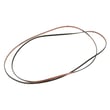
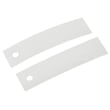
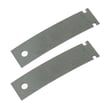
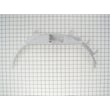
- Worn drum support parts (glides, bearings, idler components)
- Heavy loads and overloading (extra strain on the drive motor and drum supports)
- Skipped cleaning (lint screen, exhaust duct, and internal lint accumulation)
Maintenance that helps you hit the full lifespan
Use these habits to keep your GTDP520ED0WW running efficiently and reduce wear:
- Clean the lint screen before every load
- Confirm the dryer exhausts outdoors and the vent hood opens freely
- Use 4-inch rigid metal duct where possible and keep the run as short as practical
- Avoid flexible plastic ducting; it traps lint and restricts airflow
- Don’t overload; dry similar fabrics together to reduce cycle time
- If drying times increase, inspect and clean the vent system promptly
Quick “wear vs. replace” guide
| Symptom | Most common wear area | What it usually means |
|---|---|---|
| Squealing, scraping, thumping | Drum support | Glides or bearings are wearing |
| Long dry times, very hot cabinet | Airflow/venting | Vent restriction or lint blockage |
| Runs but no heat | Heating circuit | Heater or thermostat issue |
| Stops mid-cycle | Overheat protection | Airflow problem or thermostat cycling |
Why it matters
Proper venting directly affects dryer life. The installation guidance for this type of GE electric dryer warns that exhaust runs longer than specified can increase drying time and energy cost, reduce dryer life, and increase lint buildup. Following the venting and electrical requirements in the installation guide helps protect the heating system and controls.
Last updated: February 2026
Why does my GE dryer keep saying clean lint filter?
Your GE GTDP520ED0WW dryer shows “clean lint filter” when it senses restricted airflow or expects routine lint-screen cleaning. Cleaning the lint screen and confirming strong airflow at the outside vent usually clears the message and helps the dryer heat and dry normally.
What to do first (quick fixes)
- Clean the lint screen before every load; wash it with warm water and a soft brush if you see a film (fabric softener residue can block airflow).
- Check the lint screen housing for lint buildup; vacuum it out.
- Run the dryer for 2 to 3 minutes and verify strong airflow at the outside exhaust hood.
- Make sure the exhaust hood damper opens and closes freely.
- Avoid overloading; heavy loads reduce airflow through the drum.
Airflow and venting checks (most common cause)
Restricted venting is the top reason this message keeps returning. For this model, the installation guidance calls for 4-inch exhaust ducting and warns against flexible plastic duct because it can collapse and trap lint.
Use these venting best practices from the installation guide:
- Use 4-inch rigid metal ducting to the outdoors.
- Keep duct runs within the maximum length for your number of elbows.
- Seal joints tightly; point the male end of each duct section away from the dryer.
- Do not use screws or fasteners that protrude into the duct (they collect lint).
Duct material comparison
| Duct type | Typical airflow | Lint trapping risk | Recommended |
|---|---|---|---|
| Rigid metal (4 inch) | Best | Lowest | Yes |
| Semi-rigid metal (UL listed) | Good | Medium | Sometimes |
| Foil or plastic flex | Poor | High | No |
When a part problem is likely
If airflow is good and the message still appears, inspect for internal lint restriction or a failing airflow-related component.
Common parts to check on GTDP520ED0WW include:
- Lint ducting inside the cabinet (lint can pack into the blower housing)
- Blower wheel (can crack or slip and move less air): dryer blower wheel WE16X20393
- Lint filter itself (warped, torn, or not seating well): filter WE18X25100
Why it matters
Low airflow makes drying times longer, raises operating temperatures, and can trip safety thermostats. Keeping the vent system clear also helps protect the heating system and improves energy efficiency.
Last updated: February 2026
Why is my GE smart dryer not drying?
If your GE GTDP520ED0WW electric dryer runs but clothes stay damp, the most common cause is restricted airflow (lint screen, duct, or outside vent). Next, check for a heating problem caused by a failed heating element, thermostat, or thermistor. Use the installation guide exhaust requirements to correct venting first.
Quick checks that fix most “not drying” complaints
- Clean the lint screen before every load; wash it with warm water if it looks “waxy” (fabric softener residue).
- Inspect the vent hose behind the dryer for kinks, crushing, or loose connections.
- Confirm the dryer exhausts outdoors (not into an attic, wall, or crawl space).
- Use 4-inch rigid metal duct whenever possible; avoid flexible plastic duct.
- Check the outside vent hood for a stuck flap, lint buildup, or a bird guard clogged with lint.
Airflow vs. heat: how to tell what’s wrong
| What you notice | Most likely issue | What to do next |
|---|---|---|
| Dryer heats but takes 2+ cycles | Vent restriction | Shorten/straighten duct, clean vent run, verify 4-inch metal duct |
| No heat at all, drum tumbles | Heating circuit problem | Test heater and safety devices; inspect wiring connections |
| Stops early or “auto” cycles end with damp clothes | Moisture sensing issue or low airflow | Clean sensor area, improve airflow, try a timed dry test |
Parts that commonly cause “no heat” or poor drying
On the GTDP520ED0WW, these parts are frequent suspects when airflow is good but drying is still poor:
- Heating element: mica unit WE11M10001
- High-limit protection: dryer high-limit thermostat WE4M137
- Safety thermostat: dryer safety thermostat WE4M160
- Temperature sensing: inlet control WE4M398
Why venting matters (and why we start there)
Your dryer’s heater and controls depend on steady airflow. The installation requirements call for exhausting outdoors and using 4-inch metal ducting; long, crushed, or improper ducting traps lint and slows drying.
If your dryer shows an error code
Use our code lists to match the display to the right fix: GE cleanspeak dryer error codes.
Last updated: February 2026
What is the most common problem with a GE dryer?
The most common GE dryer problems are long dry times (usually from restricted airflow), no heat, the dryer not starting, and new or worsening noise from the drum support parts. For your GE GTDP520ED0WW electric dryer, start with venting and lint buildup checks, then move to heat and drum-drive components using the owner's manual.
Most common issues we see (and what they usually mean)
- Takes too long to dry: clogged lint screen, crushed or too-long vent duct, blocked outside hood
- No heat: failed heating element, thermostat issue, or airflow restriction causing overheating
- Won’t start: power supply problem, door switch issue, control problem
- Noisy cycle (squeal, scrape, thump): worn drum glides, front bearing, idler, or blower wheel
Quick checks first (fast, high-impact)
- Clean the lint screen and confirm air is moving strongly at the outside vent.
- Inspect the exhaust ducting behind the dryer for kinks, crushing, or lint buildup.
- Confirm proper vent material and size: this model requires 4-inch (102 mm) ducting, and the dryer must be exhausted outdoors.
- If the dryer is noisy, stop using it and inspect drum support points before the drum or front panel gets damaged.
Parts that commonly fix noise and poor performance on GTDP520ED0WW
If your symptoms match, these model-specific parts are common wear items:
| Symptom | Common wear area | Example part for this model |
|---|---|---|
| Scraping or squealing | Drum glides/pads | Dryer drum glide bearing (green) WE03X37317, dryer drum front glide pad WE03X37318 |
| Rumble or front-drum drag | Front drum bearing | GE dryer drum bearing, front WE3M26 |
| Loud roaring or vibration | Blower wheel | Dryer blower wheel WE16X20393 |
| No heat or overheating shutdown | Thermostats/heat circuit | Dryer high-limit thermostat WE4M137 |
Why airflow problems matter (especially for “no heat” and long dry times)
Restricted venting makes drying slow and can overheat the heater housing. The installation instructions call out that using exhaust duct longer than the specified maximum increases drying time, energy cost, lint accumulation, and can shorten dryer life. Use the installation guide to confirm your vent length, number of elbows, and duct type.
Last updated: February 2026





