 Installation guide
 Owner’s manual
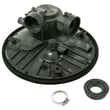





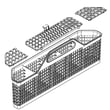
Can I replace dishwasher parts myself?
Yes, you can replace some parts on your GE GDT530PGP5BB dishwasher yourself, especially basic items like filters, racks, and some door hardware. For anything involving wiring, grounding, or plumbing connections, we recommend following the GDT530PGP5BB owner's manual and using the GDT530PGP5BB installation guide so the dishwasher stays safe and serviceable.
What you can usually DIY vs. what to leave to a technician
Many dishwasher repairs are straightforward, but electrical and leak-related work needs extra care.
- Good DIY candidates: cleaning or replacing the filter, clearing a drain blockage, replacing rack wheels/clips, tightening a loose handle, cleaning spray arms
- Use extra caution: replacing the door latch, float switch, or dispenser (requires careful reassembly and leak checks)
- Best left to a technician: hard-wiring, grounding issues, control board diagnosis, motor/pump electrical testing, persistent leaks you cannot pinpoint
Safety steps we follow before any repair
The manual emphasizes disconnecting power before maintenance and avoiding repairs not specifically recommended.
- Turn off power at the circuit breaker (not just the control panel)
- Shut off the dishwasher water supply valve
- Let the heating element cool before touching anything inside
- Keep small parts (clips, retaining posts) away from children
- Reinstall all enclosure panels before running a test cycle
Quick decision table
| Task type | Typical tools | DIY difficulty |
|---|---|---|
| Cleaning filter/spray arms | Gloves, brush | Easy |
| Clearing drain path | Towels, screwdriver | Easy to medium |
| Door latch/dispenser work | Screwdrivers, nut driver | Medium |
| Electrical wiring/grounding | Multimeter, wire tools | Advanced |
Why it matters
Dishwashers are water-heating appliances; a small mistake can create an electrical shock risk or a leak that damages cabinets and flooring. Proper installation also matters because the dishwasher must be installed so it can be removed later for service.
Helpful troubleshooting resources
If you are deciding whether a “part” is actually bad or the dishwasher is showing a code, use these guides first:
Last updated: February 2026
What is the average lifespan of a GE dishwasher?
A GE dishwasher typically lasts 10 years on average. For your GE GDT530PGP5BB, regular cleaning, correct detergent use, and fixing small issues early (draining, filling, or heating problems) are the biggest factors that help it reach that lifespan.
What affects dishwasher lifespan most
- Water quality (hard water mineral buildup can shorten component life)
- Detergent and rinse aid use (too much detergent can cause etching and residue)
- Filter and spray arm cleanliness (clogs reduce wash performance and strain the pump)
- Door seal condition (leaks can damage wiring and the base)
- How often you run it (heavy daily use wears racks, pumps, and valves faster)
Typical lifespan expectations
| Dishwasher type | Typical lifespan | Notes |
|---|---|---|
| Standard built-in dishwasher (most GE models) | 10 years | Average household use |
| Light use (few loads per week) | 11 to 13 years | Maintenance matters most |
| Heavy use (multiple loads daily) | 7 to 9 years | More wear on pump, heater, racks |
Maintenance that helps you get the full 10 years
- Clean the interior and control panel using the methods in the GDT530PGP5BB owner’s manual.
- Use a quality rinse aid and address hard water film early (mineral deposits can build up over time).
- Keep the tub, racks, and door area clean so the door closes and seals correctly.
- Make sure the dishwasher is installed so it can be removed for service later; the GDT530PGP5BB installation guide covers key installation requirements.
Why it matters
Dishwashers usually fail from gradual wear (pump, drain system, heating, leaks) rather than one sudden event. Consistent care and correct loading and detergent habits reduce strain on the wash system and help your GE GDT530PGP5BB reach its expected service life.
Last updated: February 2026
What is the most common problem with GE dishwashers?
The most common GE dishwasher problem is poor cleaning performance, usually tied to detergent issues, loading that blocks the detergent cup or spray arms, or hard water buildup. On the GE GDT530PGP5BB, we start by checking detergent type, how dishes are loaded, and basic maintenance steps in the GDT530PGP5BB owner's manual.
Most common symptoms we see (and what they usually mean)
- Dishes come out dirty: spray arm blockage, filter/soil buildup, or low water temperature
- Detergent still in the cup: dishes blocking the dispenser or poor wash action
- Suds in the tub: wrong detergent (hand soap or non-dishwasher detergent)
- White film on dishes or tub: hard water minerals, low rinse aid use
- Won’t start or stops: power issue, tripped breaker, control lock, door not fully latched
Quick checks that fix many “common problems”
- Use only automatic dishwasher detergent (tablets/packets, powder, gel, or liquid made for dishwashers).
- Avoid blocking the detergent dispenser with large plates, cutting boards, or tall items.
- If you run short cycles (under ~60 minutes), place a tablet/packet in the pre-wash area or bottom of the tub for better wash-out.
- If you have hard water, use rinse aid and run a dishwasher cleaner cycle periodically.
- Confirm incoming hot water is not excessively hot; water entering above 150°F can contribute to etching.
Common causes and best first action
| Problem you notice | Most likely cause | Best first action |
|---|---|---|
| Detergent not dispensing | Dishes blocking cup | Reload so the cup door can open freely |
| Suds/foam | Wrong detergent | Switch to automatic dishwasher detergent and clear suds |
| White film | Hard water minerals | Add rinse aid; run a cleaner/descaler cycle |
| Poor cleaning | Loading or wash action issue | Clear spray paths; follow loading guidance |
Why it matters
Most “dishwasher problems” are really wash chemistry and water flow problems. Fixing detergent choice, loading, and mineral buildup improves cleaning, prevents residue, and reduces repeat cycles (which saves time and energy).
For code-related issues, use the GE electronic dishwasher error codes reference to match the display or blinking pattern to the right troubleshooting steps.
Last updated: February 2026
How to fix leaking GE Cafe dishwasher corner baffle replacement?
On the GE GDT530PGP5BB dishwasher, a leaking corner baffle is fixed by removing the old tub corner baffle, cleaning the mounting channel thoroughly, then pressing the new baffle fully into place so it seals evenly. After replacement, run a short cycle and recheck for leaks.
Before you start
- Turn off power at the breaker before working around the door and tub edge.
- If you see standing water, cancel the cycle and let the unit drain.
- Wipe the tub corner and door edge dry so you can spot fresh drips.
- Use only mild cleaner and a soft cloth; avoid scraping the tub surface.
Corner baffle replacement steps
- Open the door and locate the leaking corner (typically the lower corner of the tub opening).
- Pull the old corner baffle straight out of its channel.
- Clean the channel and surrounding corner thoroughly (remove soap film, food residue, and grit).
- Align the new baffle with the channel.
- Slide it into position and press firmly along its full length until it seats evenly.
- Close the door and confirm the door latches smoothly (no rubbing or interference).
Leak check (wet test)
Use the same approach as the installation wet test in the GDT530PGP5BB installation guide.
| What to check | What it tells us | What to do next |
|---|---|---|
| Leak under the dishwasher | Supply or drain connection issue | Tighten connections; re-test |
| Leak at the door corners | Door seal/baffle fit or door alignment | Re-seat baffle; check door rubbing |
| Splash near right-side fill area on first use | Normal splash-out during first use | Recheck after another cycle |
Why it matters
A corner baffle helps direct wash water back into the tub. If it is loose or the channel is dirty, water can wick past the seal and drip at the door corner, which looks like a door gasket failure even when the main gasket is fine.
If it still leaks after replacement
- Make sure the baffle is fully seated with no twists or gaps.
- Check for door rubbing against adjacent cabinets; repositioning can stop corner leaks.
- Reduce suds: use automatic dishwasher detergent only and wipe up any rinse aid spills.
- Review troubleshooting tips in the GDT530PGP5BB owner’s manual.
Last updated: February 2026





