



What size fuel line for Honda GCV160A-S3A?
For the Honda GCV160A-S3A engine, the fuel hose is typically 3/16-inch inside diameter (ID). When you replace it, use small-engine fuel line rated for gasoline and route it exactly like the original so it does not kink or rub on hot or moving parts.
How to confirm you have the right size
- Measure the barb (nipple) OD on the fuel tank outlet and carburetor inlet; 3/16-inch ID hose fits snugly on common small-engine barbs.
- Compare the new hose to the old one; the correct hose slides on firmly and seals with a clamp.
- Avoid “close enough” hose; too large can leak, too small can split.
- Replace any hardened or cracked clamps at the same time.
What to use (and what to avoid)
Use fuel line made for small engines and gasoline.
- Use: gasoline-rated fuel hose (often marked for fuel/oil exposure)
- Use: spring clamps or small worm-drive clamps sized for 3/16-inch ID hose
- Avoid: clear vinyl tubing (softens and leaks)
- Avoid: vacuum hose (not fuel-rated)
- Avoid: routing that touches the muffler or cylinder head
Quick fit guide
| Item | Recommended spec | Why it matters |
|---|---|---|
| Fuel line size | 3/16-inch ID | Proper seal on fittings and steady fuel flow |
| Condition | Flexible, not glazed or cracked | Prevents air leaks and fuel seepage |
| Clamping | Light clamp tension | Stops leaks without cutting the hose |
Why it matters
A slightly wrong fuel line size can cause hard starting, surging, fuel leaks, or fuel starvation under load. A correct 3/16-inch ID hose helps the GCV160A-S3A carburetor get consistent fuel delivery.
Related parts you may need
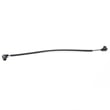
If you are servicing the fuel system, it is also common to replace maintenance items at the same time, such as the air cleaner 17211-zl8-023 or the cap assembly 17620-zl8-023 if the seal is damaged.
Last updated: February 2026
What kind of gas does a Honda GCV160A-S3A pressure washer take?
Your Honda GCV160A-S3A 4-stroke engine uses fresh, unleaded gasoline (regular pump gas). Use clean fuel from a reputable station, and avoid old gas; stale fuel is one of the most common causes of hard starting and surging on small engines.
What to use (and what to avoid)
- Use fresh unleaded gasoline (regular grade is fine)
- Use fuel that is less than 30 days old (or properly stabilized)
- Avoid gasoline contaminated with water or dirt
- Avoid mixing oil into the gas (this is a 4-stroke engine)
- Avoid leaving fuel sitting in the tank/carburetor for long storage periods
Ethanol guidance (common small-engine best practice)
Most small engines run best on fuel with low ethanol content. If your local fuel options include ethanol blends, these practices help prevent carburetor varnish and fuel-system corrosion:
| Fuel type | Typical result in small engines | Our recommendation |
|---|---|---|
| Ethanol-free unleaded | Best storage stability, fewer fuel issues | Best choice when available |
| E10 (up to 10% ethanol) | Usually runs fine, can cause issues if stored | Acceptable if kept fresh |
| E15 or higher | Higher risk of drivability and fuel-system problems | Avoid |
Why it matters
Fuel quality directly affects starting, idle stability, and power. If the engine hunts, surges, or won’t start after sitting, the first fixes are almost always fresh gas and basic intake maintenance like replacing the air cleaner 17211-zl8-023.
Quick fuel-related troubleshooting checklist
- Drain old fuel and refill with fresh unleaded gas
- Check the tank cap venting (a plugged vent can mimic fuel starvation)
- Inspect the air filter; replace if dirty (use the air cleaner 17211-zl8-023)
- If equipped, verify the fuel shut-off valve is fully open (see lawn & garden equipment engine fuel shut-off valve kit 04103-Z0L-000)
- If the engine still surges, the carburetor may need cleaning (varnish from old fuel is common)
Last updated: February 2026
Is the Honda GCV160A-S3A a good engine?
Yes. The Honda GCV160A-S3A is a strong, dependable 160cc lawn and garden engine known for easy starting, smooth running, and long service life when it gets basic maintenance (clean air filter, fresh fuel, correct oil level). It can bog down in very tall or wet grass, which is normal for this size engine.
What “good” looks like on a GCV160A-S3A
A healthy engine typically shows these traits:
- Starts in 1 to 3 pulls when cold (and restarts easily when warm)
- Idles smoothly without surging or hunting
- Accelerates cleanly under load (no sputter or backfire)
- Produces steady power without excessive vibration
- Has no fuel smell, smoke, or oil seepage around the crankcase
Common reasons performance drops (and the quick fixes)
Most “weak engine” complaints come from routine service items.
| Symptom | Most common cause | What to check first |
|---|---|---|
| Hard starting | Restricted airflow | Replace the air cleaner 17211-zl8-023 |
| Runs rough or surges | Dirty fuel or carb passages | Drain old fuel; clean fuel system; check for varnish |
| Lacks power in thick grass | Load too high or airflow restricted | Raise cutting height; sharpen blade; check air filter |
| Won’t shut off | Stop circuit issue | Inspect the stop switch wire 32195-ZM0-800 and connections |
Maintenance that keeps it “good” for years
These habits make the biggest difference on a walk-behind mower engine:
- Change oil on schedule; never run below the dipstick safe range
- Use fresh gasoline; avoid storing fuel in the tank for long periods
- Replace the air filter when dirty (more often in dusty conditions)
- Keep cooling fins and recoil area clear of grass and debris
- Check muffler and heat shield area for blockage and loose fasteners
Why it matters
A clean air path and solid stop-switch circuit protect the engine from accelerated wear and prevent no-start or no-shutoff problems. On a 160cc engine, airflow and fuel quality directly affect power in heavy mowing conditions.
Last updated: February 2026
What does 160 mean?
On a Honda GCV160A-S3A lawn and garden engine, “160” refers to the engine’s displacement class (about 160 cc). It helps identify the engine family so you can match the correct maintenance and repair parts for your exact GCV160A-S3A version.
What “160” tells you (and what it does not)
- Identifies the engine series and displacement class used on many walk-behind mower engines
- Helps narrow down compatible systems (air intake, fuel, ignition, recoil starter)
- Does not state horsepower; output depends on RPM, torque curve, and equipment setup
- Does not identify the exact spec; the full model number GCV160A-S3A is what ensures correct fit
Quick reference: common engine ID terms
| Marking you see | What it usually means | Why you care |
|---|---|---|
| 160 | Approx. 160 cc class | Points you to the right engine family parts |
| GCV | Honda engine family name | Helps match diagrams and assemblies |
| A-S3A | Spec/version code | Ensures exact fit for controls and fuel/ignition parts |
Why it matters when ordering parts
Using only “160” can lead to the wrong part because multiple versions share the same displacement. For GCV160A-S3A, always match parts by the full model, then select the component you need.
Common examples for this model include:
- Air cleaner 17211-zl8-023 (air filter element)
- Stop switch wire 32195-ZM0-800 (kill switch lead)
- Lawn & garden equipment engine fuel shut-off valve kit 04103-Z0L-000 (fuel shutoff kit)
If you are trying to diagnose a problem
“160” is an ID clue, not a symptom code. We check these first on GCV160-class engines:
- Old fuel or restricted fuel flow
- Dirty air filter
- Stop switch wire shorted or disconnected
Why it matters
Correctly interpreting “160” keeps you focused on the right Honda engine family and helps you order parts that fit the GCV160A-S3A spec.
Last updated: February 2026