Installation guide
 Owner’s manual
 Error Codes


How to read GE model numbers?
GE model numbers are a structured “code” that identifies the product type and configuration. For your GE dryer model GTD84GCPN1DG, the most important step is to copy the model number exactly as shown on the appliance label so you can match the correct parts list, wiring, and troubleshooting info in the GTD84GCPN1DG owner's manual.
Where to find the model number on this dryer
On GE dryer model GTD84GCPN1DG, the model and serial label is located on the front of the dryer behind the door.
- Open the dryer door and look along the front frame area
- Write down the model number and serial number exactly
- Use the model number for parts and documentation
- Keep the serial number for warranty and manufacturing details
How GE model numbers are typically structured
GE model numbers use letters and numbers to indicate the product family and key configuration details (these codes vary by appliance type and can change over time). For dryers, the model number is mainly used to ensure you get the correct replacement parts and service information.
Common things the model number can encode include:
- Product line or series
- Fuel type (gas vs. electric) and feature set
- Design revision or engineering change
- Color or finish code (varies by series)
Model number vs. serial number (quick comparison)
| What it is | What it’s used for | Example on your dryer |
|---|---|---|
| Model number | Identifies the exact product configuration for parts and manuals | GTD84GCPN1DG |
| Serial number | Helps identify manufacturing date and warranty tracking | Found on the same label |
Why it matters
Using the exact model number prevents common ordering mistakes, like buying the wrong lint screen, thermistor, or drum support parts. Even small model-number differences can change which components fit and how the dryer is serviced.
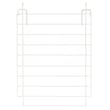
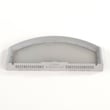
If you are ordering parts for common wear issues (noise, poor drying, or lint buildup), match parts to GTD84GCPN1DG first, then choose the correct component, such as the GE dryer lint screen WE03X23881 if your screen is damaged or missing.
Last updated: February 2026
What is the most common problem with a GE dryer?
For the GE GTD84GCPN1DG dryer, the most common problems we see are no heat or long drying times, and the most frequent root cause is restricted airflow from a clogged lint screen or blocked exhaust ducting. The owner's manual also points to venting problems as a top reason clothes take too long to dry.
Most common symptoms and what they usually mean
- Clothes take too long to dry: vent duct kinked, crushed, or clogged; outside damper not opening freely
- Dryer tumbles but doesn’t heat: tripped breaker or blown fuse (electric supply issue), or gas supply shutoff closed (gas models)
- Dryer stops mid-cycle or feels very hot: airflow restriction causing overheating and safety shutdown behavior
- Lint on clothes: lint screen not cleaned before each load, overloading, or poor sorting
- Squealing or scraping noises: worn drum support parts (glides/bearings) as the drum turns
Quick checks we recommend first (fast, high-impact)
- Clean the lint screen before every load; never run the dryer without the filter in place.
- Inspect the vent path (dryer outlet to exterior hood) for lint buildup, kinks, or crushed ducting.
- Check the outside exhaust hood; confirm the damper flaps move freely while the dryer runs.
- Verify power or gas supply:
- Electric: confirm both breakers/fuses are on (some dryers use two).
- Gas: confirm the gas shutoff valves are fully open.
- Avoid overloading; large, heavy fabrics hold more moisture and naturally take longer.
Common causes by symptom (at-a-glance)
| Symptom | Most common cause | What to do next |
|---|---|---|
| Long dry times | Obstructed/incorrect venting | Follow the installation guide venting requirements; clean duct and hood |
| No heat (tumbles) | Power supply issue (electric) or gas shutoff closed (gas) | Check breakers/fuses; confirm gas valves open |
| Lint on clothes | Lint screen full or overload | Clean screen; reduce load size |
| Noise while tumbling | Drum support wear | Inspect drum glides and bearing surfaces |
Parts that often solve common complaints
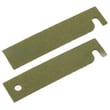
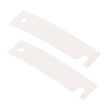
If you’re hearing scraping, thumping, or a rough drum feel, these model-matched parts are common fixes:
Why it matters
Airflow problems do more than slow drying; they can overheat the dryer, trigger shutdown symptoms, and shorten the life of components like thermostats and sensors. Keeping the lint screen and exhaust duct clear is the best prevention.
Last updated: February 2026
What is the lifespan of a GE dryer?
A GE dryer like model GTD84GCPN1DG typically lasts 10 to 13 years. With consistent vent cleaning, lint filter care, and quick repair of wear items (belt, idler, drum glides), many dryers reach about 15 years of reliable service.
What affects dryer life the most
- Airflow and venting: restricted exhaust makes the dryer run hotter and longer
- Lint control: a clogged lint screen and lint buildup increase heat stress
- Load size and cycle choice: frequent heavy loads shorten component life
- Wear parts condition: drum glides, idler pulley, and bearings wear gradually
- Moisture and corrosion exposure: damp laundry rooms can accelerate rust on hardware
Maintenance that extends the life of GTD84GCPN1DG
We follow these habits because they reduce overheating, shorten dry times, and prevent premature motor and heater wear.
- Clean the lint screen every load; replace a damaged screen with the GE dryer lint screen WE03X23881
- Inspect and clean the exhaust ducting at least yearly (more often with pets or heavy use)
- Use rigid metal duct when possible and avoid crushed or kinked transition ducting
- Keep the drum support surfaces smooth; squealing or scraping often points to worn glides such as dryer drum glide bearing WE03X37319
- Stop using the dryer if you smell burning lint or notice unusually long dry times
Quick maintenance schedule
| Task | How often | Why it matters |
|---|---|---|
| Clean lint screen | Every load | Maintains airflow and drying efficiency |
| Check vent hood flap outside | Monthly | Confirms strong exhaust flow |
| Clean exhaust ducting | Yearly | Prevents clogs that lengthen dry time |
| Inspect drum support and belt path | Yearly | Catches wear before it damages the drum or motor |
Signs your dryer is nearing end-of-life
- Drying times keep increasing even after vent cleaning
- Loud squeal, thump, or scraping from the drum area
- Repeated no-heat or overheating symptoms
- Burning smell, excessive cabinet heat, or frequent shutdowns
Why it matters
Most “short lifespan” complaints trace back to poor airflow. Keeping the vent system clear and replacing common wear parts early helps your GE dryer run cooler, dry faster, and last closer to the 13 to 15 year range. For model-specific care and cleaning steps, use the GTD84GCPN1DG owner's manual.
Last updated: February 2026
What are the main parts of a dryer?
On your GE GTD84GCPN1DG dryer, the main parts are the drum and support components, the drive system (motor, belt, idler), the heating and temperature-sensing parts, the airflow and venting path, and the door and controls. These parts work together to tumble clothes, heat air, and exhaust moisture safely.
Core dryer systems (what they do)
- Tumbling system: drum plus bearings/glides that support the drum as it turns
- Drive system: motor turns the drum through a belt and idler pulley
- Heating system: creates heat (gas or electric, depending on configuration) and regulates temperature
- Airflow and exhaust: pulls air through the drum and pushes moist air out through a metal vent to outdoors
- Controls and safety: main control board, door switch/catch, and temperature limits/sensors
Common GTD84GCPN1DG parts you may replace
These are examples of key wear items and functional parts listed for this model:
- Dryer drum glide bearing, upper WE03X37320
- Dryer drum glide bearing WE03X37319
- Dryer idler assembly WE03X27417
- Dryer drive motor and pulley WE49X28295
- Dryer thermistor WE4M448
- GE dryer lint screen WE03X23881
Quick reference: symptoms and likely part area
| Symptom | Most likely system | Example parts on this model |
|---|---|---|
| Squealing, scraping, thumping | Drum support | WE03X37320, WE03X37319, WE03X23875 |
| Drum will not tumble | Drive | WE03X27417, WE03X31620, WE49X28295 |
| Not heating or overheating | Heat and sensing | WE4M448, WE4M398, WE04X31007 |
| Long dry times | Airflow and exhaust | WE03X23881, venting setup |
Why it matters (performance and safety)
A dryer depends on steady airflow and correct temperature control. For GTD84GCPN1DG, the installation guidance is clear that the dryer must be vented outdoors using metal ducting; poor venting increases dry time, energy use, lint buildup, and can shorten dryer life.
Helpful next step
For diagrams and component locations (and to match parts to your exact configuration), use the installation guide.
Last updated: February 2026
How do I find the right GE part number?
For your GE dryer model GTD84GCPN1DG, the most reliable way to get the right GE part number is to match the model number first, then use the model-specific parts diagram and parts list to identify the exact part name and number before ordering.
Step-by-step: find the correct part number
- Confirm the model number on the dryer’s ID tag is GTD84GCPN1DG (match every letter and number).
- Use the model’s parts list and diagram to locate the part by section (door, drum, blower, controls, burner, etc.).
- Match by part name and part ID (not just a description) to avoid look-alikes.
- If multiple versions appear, compare your dryer’s configuration (gas vs. electric, color, and any options).
- Cross-check the part against the instructions in the owner's manual when the repair affects safety or operation.
Common parts people misidentify on this model
These items are frequently confused because symptoms overlap (noise, long dry times, no heat):
| Symptom | Often involved part | Example part on this model |
|---|---|---|
| Squealing, scraping, thumping | Drum support parts | Dryer drum glide bearing, upper WE03X37320, dryer drum glide bearing WE03X37319 |
| Long dry times, poor airflow | Lint and ducting path | GE dryer lint screen WE03X23881 |
| No heat or overheating | Temperature sensing/control | Dryer thermistor WE4M448, thermostat WE04X31007 |
Why it matters
Using the exact part number for GTD84GCPN1DG prevents ordering a similar-looking part that will not fit, will not connect to the harness correctly, or will not restore proper drying performance. It also helps you avoid repeat tear-downs on drum, motor, and heating components.
Quick safety and install notes (power and venting)
Before any repair that opens panels or accesses wiring:
- Disconnect power at the breaker (and shut off gas if applicable).
- Use proper venting materials; rigid metal ducting is typically best for performance.
- Follow the installation guide for exhaust duct connection and setup details.
Last updated: February 2026