
Can I use .095 trimmer line?
Yes, you can use 0.095-inch trimmer line in your Craftsman 316790101 if your cutting head and spool are rated to accept it. Line size is set by the trimmer head design; using a diameter outside the head’s rating causes poor feeding and extra load.
How to confirm the correct line diameter for Craftsman 316790101
Check the cutting head, spool, or guard label for the supported diameter(s). Use the largest size listed as the maximum.
- Look for molded or printed sizes such as 0.080, 0.095, or “MAX 0.095”
- Match the line type to the head (bump-feed bulk line vs. pre-cut segments)
- Wind evenly and do not overfill the spool; overfilling causes jams
- Keep exposed line length trimmed by the guard’s cut-off blade
- If feeding is inconsistent, step down one size within the head’s rating
What changes when you switch to 0.095-inch line
| Line diameter | Best use | What you may notice |
|---|---|---|
| 0.080 in | routine trimming | easier feeding, lighter engine load |
| 0.095 in | thicker grass and weeds | more cutting power, higher engine load |
Why it matters
Using the correct trimmer line diameter helps the head feed smoothly and keeps engine RPM, clutch engagement, and vibration under control. Oversize line commonly causes binding in the spool and bogging under load.
If the line won’t feed or the trimmer bogs down
- Clean packed grass from the head and spool cavity
- Rewind in the correct direction with firm, even tension
- Reduce throttle load by trimming in smaller passes
- Switch to a smaller diameter that is still listed on the head
For line feed and cutting performance tips, use our solving common problems with line trimmer cutting lines article.
Last updated: February 2026
How to replace trimmer line on Craftsman 316790101?
To replace trimmer line on your Craftsman 316790101, we remove the spool cap, wind the correct diameter line evenly onto the spool, then reinstall the spring and cap so it clicks and feeds line smoothly when you bump the head.
Before you start
- Shut the engine off and let the muffler cool completely.
- Disconnect the spark plug wire to prevent accidental starting.
- Work on a flat surface so the spool spring and cap do not pop away.
- Wear gloves and eye protection; trimmer line ends can be sharp.
Steps to re-string the bump head (most common Craftsman style)
- Remove the spool cap: Press the two locking tabs (or unscrew the bump knob, depending on head style) and lift the cap off.
- Note the stack-up: Keep the spring, spool, and cap in order.
- Remove old line and clean debris from the spool and eyelets.
- Cut new line: Most gas trimmers use 0.080 in to 0.095 in line; use the size printed on the trimmer head or shield label.
- Wind the line:
- Feed the line into the spool anchor hole/slot.
- Wind in the direction of the arrow on the spool.
- Keep wraps tight and even; do not cross layers.
- Thread the ends through the eyelets in the trimmer head.
- Reinstall: Set the spring back in place, seat the spool, then press the cap on until it clicks/locks.
- Test feed: Pull both line ends to equal length; bump-test by hand (engine off) to confirm smooth feed.
Quick checks if the line will not feed
- Line wound the wrong direction
- Line diameter too large for the head
- Spool overfilled (line binds)
- Dirty or damaged eyelets
| Symptom | Most likely cause | Fix |
|---|---|---|
| Line breaks often | Line too thin or brittle | Use correct size; replace old line |
| Won’t advance | Overfilled spool | Rewind with less line |
| Feeds too much | Worn cap/spool | Inspect and replace worn head parts |
Why it matters
Correct winding direction and line size prevent binding, reduce breakage, and help your Craftsman 316790101 cut consistently without constant re-threading.
For more visuals and head-style variations, use our DIY content: solving common problems with line trimmer cutting lines.
Last updated: February 2026
What's the difference between a whipper, snipper, and a line trimmer?
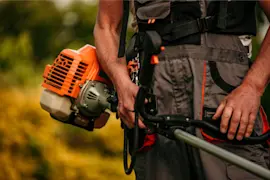
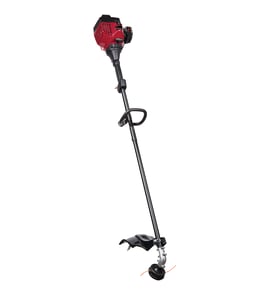
A “whipper snipper” and a “line trimmer” are the same tool; the names vary by region. For your Craftsman 316790101 gas line trimmer, “line trimmer” is the common U.S. term, while “whipper snipper” is widely used in Australia and New Zealand.
Quick definitions (same tool, different names)
- Line trimmer: Common U.S. name for a handheld trimmer that uses nylon line to cut grass and light weeds.
- Whipper snipper: Regional nickname for a line trimmer.
- String trimmer / weed eater: Other common names for the same type of tool.
- Brushcutter (not the same): A heavier-duty tool that typically uses a metal blade for thick weeds and brush.
What’s actually different (features, not the nickname)
Most confusion comes from how the trimmer is equipped, not what it’s called:
| Feature | Typical line trimmer setup | Brushcutter-style setup |
|---|---|---|
| Cutting system | Nylon line | Metal blade (or heavy-duty head) |
| Best for | Edges, fence lines, light weeds | Thick weeds, dense growth, brush |
| Kickback risk | Lower | Higher |
| Maintenance focus | Line feed, trimmer head wear | Blade condition, gearbox, harness |
Why it matters when troubleshooting or buying parts
Using the right term helps you land on the right repair steps and diagrams for the Craftsman 316790101:
- “Runs rough” issues often point to fuel, air, or carburetor tuning
- “Won’t start” often points to spark, fuel delivery, or stale fuel
- Cutting problems are usually head, spool, line size, or feed mechanism
For symptom-based help, we recommend starting with line trimmer symptoms landing page.
Helpful tips to match the tool to the job
- Use a standard trimmer line for edging and routine trimming
- Step up to heavier line only if your trimmer head is designed for it
- Avoid using a line trimmer like a brushcutter; it increases wear and can damage the cutting head
- Keep the guard installed; it helps control debris and line length
Last updated: February 2026
Which is better, .080 or .095 trimmer line?
For a Craftsman gas line trimmer like model 316790101, .095 in. line is better for thicker weeds and heavier trimming, while .080 in. line is better for lighter edging and longer run time. The “best” choice is the thickest line your trimmer head is designed to feed reliably.
Quick comparison
| Trimmer line size | Best for | Tradeoffs |
|---|---|---|
| .080 in. | Light grass, routine edging, smaller yards | Breaks easier in heavy weeds; may wear faster |
| .095 in. | Dense grass, weeds, fence lines, tougher jobs | More load on the engine; can reduce RPM and fuel efficiency |
How we choose the right size for model 316790101
Use these checks to pick the size that performs well without constant line jams:
- Check the trimmer head spool label (many list a max diameter).
- If the head is bump-feed, thicker line can bind if the spool is packed too tight.
- If the engine bogs down with .095, step down to .080 for smoother cutting.
- For frequent line breaks with .080, step up to .095 (if the head supports it).
- Match line shape to the job: round feeds easiest; twisted or serrated cuts aggressively but can wear faster.
What we recommend for common jobs
- Edging along sidewalks and driveways: .080 round
- General weekly trimming: .080 or .095 (based on how thick your grass gets)
- Weeds and overgrowth: .095 round or twisted
Why it matters
Line diameter affects cutting power, feed reliability, and engine load. Using a line that is too thick for the head often causes poor feeding and tangles; using a line that is too thin increases breakage and wasted time.
For more help diagnosing performance issues (rough running, stalling, poor cutting), use our line trimmer symptoms landing page.
Last updated: February 2026