View engine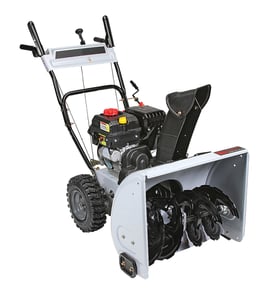



What kind of gas does my snow blower take?
For your Craftsman snow blower model 536884810, we recommend using fresh, unleaded gasoline with no more than 10% ethanol (E10). Higher-ethanol fuels (like E15 or E85) can cause hard starting, poor performance, and fuel-system damage.
Fuel type and octane
Most 4-cycle snowblower engines run best on regular unleaded fuel.
- Use fresh unleaded gasoline (regular grade)
- Choose 87 octane or higher
- Use E10 or less ethanol content
- Avoid E15, E20, E85 and other high-ethanol blends
- Do not use old gas (older than about 30 days without stabilizer)
Best practices for winter reliability
Cold weather makes fuel quality and storage more important.
- Add fuel stabilizer if fuel will sit more than 30 days
- Store gasoline in an approved container and keep it tightly sealed
- Keep the tank near full during short-term storage to reduce condensation
- If the engine runs rough, drain old fuel and refill with fresh E10
- Check the fuel cap vent and fuel line for icing or blockage
Quick comparison: what to use vs. avoid
| Fuel option | Use it? | Why |
|---|---|---|
| Fresh unleaded E0 (no ethanol) | Yes | Best storage stability and cold starts |
| Fresh unleaded E10 | Yes | Common, works well in most snowblowers |
| Unleaded E15 or higher | No | Can damage fuel system and cause running issues |
| Old gas (stale/varnished) | No | Causes hard starting and surging |
Why it matters
Using the right gasoline helps your 23 inch snow blower start easier, run smoother under load, and protects the carburetor, fuel lines, and seals from ethanol-related deterioration.
If you are also seeing poor throwing performance after a fuel issue (engine runs but snow does not discharge well), inspect the auger area and replace broken shear bolts such as the snowblower shear bolt 577015MA when needed.
Last updated: January 2026
How long does a gas-powered snow blower last?
A gas-powered snow blower typically lasts 10 to 15 years. For a Craftsman 536884810 23-inch snow blower, lifespan depends most on off-season storage, fuel care, and replacing wear items (like shear bolts and skid shoes) before they cause bigger damage.
Typical lifespan by snow blower type
| Snow blower type | Typical lifespan | What usually ends it |
|---|---|---|
| Gas (2-stage/23-inch class) | 10 to 15 years | Fuel system issues, drive wear, rust/corrosion |
| Electric corded | 5 to 10 years | Motor wear, switch/cable damage |
| Battery electric | 5 to 10 years | Battery aging, electronics |
What makes a gas snow blower last longer
We see the biggest lifespan gains when you stay ahead of these basics:
- Use fresh fuel and add stabilizer before storage; run the engine long enough to pull treated fuel into the carburetor.
- Change engine oil on schedule and check oil level before each season.
- Keep the auger/impeller area clear; never ingest gravel, ice chunks, or newspapers.
- Replace shear bolts immediately after a jam so the gearbox and auger shaft stay protected.
- Store dry and covered; touch up chipped paint to slow rust.
Parts that commonly limit performance (and when to replace)
These wear items do not mean the machine is “done”; they are normal maintenance that helps you reach the 10 to 15 year range.
- Shear bolts: replace after any break or visible bending (use the correct grade and size); see snowblower shear bolt 577015MA.
- Skid shoes: replace when they are thin, uneven, or the housing starts scraping; see skid 1740912BMYP.
- Scraper bar: replace when it is rounded off or no longer cleans down to the surface; see scraper bar 877E701MA.
Why it matters
A snow blower usually “fails early” from preventable issues: stale fuel varnishing the carburetor, running with broken shear bolts, or letting the housing rust through. Routine maintenance and timely part replacement cost less than major drivetrain or engine repairs.
Last updated: January 2026
What is the best gas-powered snowblower?
The best gas-powered snowblower is the one sized for your snowfall and surface; for most homeowners, a durable 2-stage machine in the 24 to 28 inch class is the best all-around choice. If you already own a Craftsman 536884810 (23 inch), keeping it properly adjusted and maintained often delivers the best value.
How to choose the “best” gas snowblower for your needs
We recommend matching the machine to conditions first, then comparing features and serviceability.
- Snow depth and type: light, powdery snow vs heavy, wet snow
- Driveway size: small walkways vs long, wide driveways
- Surface: smooth pavement vs gravel (needs more skid clearance)
- Storage and maneuverability: turning radius, weight, handle height
- Parts support: availability of wear items like skid shoes and shear bolts
Quick comparison: common gas snowblower types
| Type | Best for | Typical clearing width | What to expect |
|---|---|---|---|
| Single-stage | Light snow, smaller areas | 18 to 22 inches | Fast, lighter, less effective in deep drifts |
| Two-stage | Most driveways, mixed snow | 24 to 28 inches | Stronger throwing, handles packed snow better |
| Three-stage | Heavy snow, frequent deep storms | 24 to 30 inches | Aggressive intake, usually heavier and pricier |
If you own Craftsman 536884810: what matters most for performance
A 23 inch Craftsman snowblower like model 536884810 performs best when the wear parts and protection parts are in good shape.
- Replace broken protection hardware promptly; use the correct snowblower shear bolt 577015MA
- Set scraper and skid height correctly for your surface; consider replacing worn skid 1740912BMYP
- Keep the chute path clear and intact; a damaged chute can reduce throwing distance (see chute extension 762222MA)
- Inspect belts, cables, and springs for slack or binding (common cause of weak auger engagement)
Why it matters
Choosing the right size and keeping key wear parts fresh prevents clogging, improves throwing distance, and reduces drivetrain damage. In many cases, a well-maintained 2-stage snowblower outperforms a newer machine that is the wrong size for the job.
Last updated: January 2026