
Is a 3 stage snow blower better than a 2 stage?
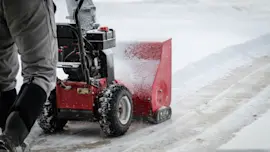
A 3-stage snowblower is better than a 2-stage when you regularly deal with deep, heavy, wet, or icy snow because the extra “accelerator” helps break up and feed snow faster. For most homeowners, a 2-stage is the better value and is plenty capable for typical driveway snow.
2-stage vs 3-stage: what changes
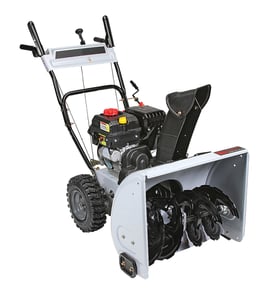
Both types use an auger and an impeller to move snow; a 3-stage adds a front accelerator (a fast-spinning intake) to chew through packed snow and keep the housing fed.
- 2-stage: auger pulls snow in; impeller throws it out the chute
- 3-stage: accelerator helps break up crusted snow and increases intake speed
- Tradeoff: 3-stage units are typically heavier, more complex, and cost more to buy and maintain
Which is “better” for your conditions
Use this quick guide to match the machine to your snow and your property.
| Your typical conditions | Best choice | Why |
|---|---|---|
| 3 to 12 inches, mostly powder | 2-stage | Strong performance with simpler design |
| 12+ inches, wet snow, end-of-driveway plow berms | 3-stage | Faster intake and better breakup |
| Gravel or uneven surfaces | 2-stage or 3-stage | Either works; skid shoe setup matters most |
| Tight storage, lighter handling needed | 2-stage | Usually easier to maneuver |
Why it matters for your Murray 624508X4B
Your Murray 624508X4B is a 2-stage style snow thrower design in the way it relies on the auger and impeller system; keeping the drive and auger systems in top shape often makes a bigger real-world difference than moving to a different stage count.
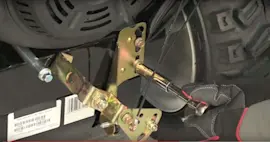
- If forward drive slips or surges, inspect the belt and idler system
- If throwing distance drops, check for belt wear, impeller damage, or chute restrictions
- If the auger does not pull snow in well, check auger engagement and drivetrain wear
Parts that commonly affect performance
Helpful DIY guidance
Last updated: February 2026
Is it cheaper to repair or replace a snowblower?
For a Murray snow thrower model 624508X4B, it’s cheaper to repair when the fix is a normal wear item (belt, pulley, bushing) and the machine is otherwise solid. Replace it when the repair total is about 50% or more of the cost of a comparable new snowblower.
Quick decision checklist
- Repair if the engine starts and runs well, and the problem is drive or auger engagement.
- Repair if the issue is a common wear part like a belt or idler pulley.
- Replace if the engine has low compression, severe smoking, or repeated no-start issues after tune-up.
- Replace if the auger/impeller housing or frame is bent or cracked.
- Replace if multiple major systems need work at the same time (drive + auger + gearbox).
Typical repair costs vs. replacement value
Use this as a practical way to decide for model 624508X4B.
| Situation | Usually smarter choice | Why |
|---|---|---|
| Worn belt, slipping drive, weak engagement | Repair | Low parts cost, high impact on performance |
| Chute control issues, loose hardware, minor play | Repair | Often adjustment or small parts |
| Gearcase or internal drive damage plus other wear | Replace | Labor and parts add up quickly |
| Impeller/auger damage from impact plus drivetrain wear | Replace | Multiple high-cost components |
Parts that often make repair worthwhile
If your snowblower still has a healthy engine, these common parts often restore performance at a reasonable cost:
Why it matters
A snowblower’s value is mostly in the engine and drivetrain. If you can restore drive or auger function with a belt, pulley, or bushing, you usually get many more seasons out of the machine. When the repair involves major drivetrain assemblies, replacement typically delivers better long-term reliability per dollar.
Last updated: February 2026
Should I spray my snowblower with WD-40?
Yes, you can spray a light coat on the snow-contact areas of your Murray 624508X4B snow thrower to help reduce snow sticking and surface rust. Keep sprays off belts, friction-drive parts, and hot engine components; those areas need to stay clean and dry for safe, consistent drive and auger performance.
Where it’s OK to spray (and where it’s not)
Good places (non-stick and rust protection):
- Inside the discharge chute
- Inside the auger housing (front bucket)
- Impeller surfaces (with the engine off and cool)
- Exterior painted metal for off-season rust prevention
Avoid these areas:
- Drive belt and pulleys (slip and loss of traction)
- Friction disc and drive plate area (slip and no-drive symptoms)
- Engine muffler, cylinder, and any hot surfaces (fire risk)
- Rubber tires and hand grips (can degrade materials and get slippery)
Best practice for the Murray 624508X4B
- Shut the engine off, remove the key (if equipped), and let everything cool.
- Brush out packed snow and wipe wet surfaces.
- Apply a light, even coat to the chute and housing; avoid dripping or pooling.
- Let it flash-dry before starting the machine.
If you are chasing a clogging or weak-throw issue, also inspect the auger/impeller drive system. A worn or loose belt can mimic “sticky snow” problems.
WD-40 vs silicone spray (quick comparison)
| Option | Best use on a snowblower | Watch-outs |
|---|---|---|
| WD-40 | Light rust protection, short-term water displacement | Can attract grime; keep off drive components |
| Silicone spray | Best non-stick performance on chute/housing | Still avoid belts and friction-drive parts |
Parts that are most sensitive to overspray
If spray gets onto drive components, you can see slipping, squealing, or poor throwing distance. These parts are especially sensitive:
Why it matters
A snowblower throws best when the chute stays slick and the drive system stays dry. Spraying the right surfaces helps prevent clogging; spraying the wrong surfaces causes belt slip and loss of drive.
Last updated: February 2026
What is the typical lifespan of a gas snowblower?
A gas snowblower typically lasts 10 to 20 years with normal residential use and consistent maintenance. For your Murray 624508X4B snow thrower, lifespan depends most on off-season storage, fuel care, and keeping the drive and auger systems adjusted and lubricated.
Typical lifespan ranges (what to expect)
Most gas snowblowers fall into these practical ranges:
- 8 to 12 years: heavy use, minimal maintenance, frequent wet-snow jams
- 10 to 20 years: typical homeowner use with seasonal maintenance
- 20+ years: light use plus excellent storage and timely part replacement
| Usage and care level | Typical lifespan | What usually ends it |
|---|---|---|
| Heavy use, low maintenance | 8 to 12 years | Drive wear, corrosion, repeated belt issues |
| Average use, basic maintenance | 10 to 20 years | Normal wear in belts, bushings, bearings |
| Light use, strong maintenance | 20+ years | Age-related engine/fuel system problems |
What makes a gas snowblower last longer
These actions have the biggest payoff on a Murray gas snowblower:
- Change engine oil on schedule and keep the oil level correct
- Use fresh fuel and stabilize fuel before storage
- Clear packed snow and ice after each use; dry the housing to reduce rust
- Keep the drive system working smoothly (belt condition and pulley alignment)
- Lubricate moving points (axles, chute rotation points, auger shaft areas)
A worn belt or pulley can shorten lifespan by overloading the drivetrain. If your unit starts slipping or losing drive, common wear items to check include the snowblower drive belt 1733324SM and the idler pulley 1502120MA.
Why it matters
A snowblower that is still within its normal lifespan is usually worth maintaining because small wear parts (belts, bushings, bearings, pins) restore performance and prevent bigger failures like gearbox or impeller damage.
For seasonal upkeep steps that directly support long life, follow a maintenance routine like how to make your snowblower last longer.
Last updated: February 2026