Owner’s manual
 Error Codes


What are the disadvantages of a bottom freezer refrigerator?
A bottom-freezer refrigerator like the Jenn-Air JFC2087HRP keeps fresh food at eye level, but the tradeoffs are more bending and lifting for frozen items, heavier freezer drawers that can wear slides and seals faster, and sometimes less convenient freezer organization for frequent access. See the owner's manual for model-specific use and care tips.
Common drawbacks to expect
- You bend more often to reach frozen foods, especially items stored low in the drawer.
- Freezer drawers get heavy when full; that extra weight can stress drawer hardware over time.
- Frozen-food organization can be harder if you stack items (you may need bins to separate foods).
- Door openings can warm the freezer interior faster than a deep, fixed-shelf freezer; good loading habits matter.
- Some bottom-freezer designs have less usable freezer space for bulky items.
How to reduce the downsides (practical tips)
We recommend these habits to keep performance steady and reduce wear:
- Keep the freezer about two-thirds full for efficient operation (avoid overpacking).
- Leave space between packages so cold air can circulate.
- Avoid loading a lot of warm food at once; it slows freezing and can raise freezer temperature.
- Store hard-to-freeze items (like ice cream) in the freezer interior, not on the door.
- Keep door gaskets clean so the doors seal properly.
Quick comparison: bottom freezer vs top freezer
| Feature | Bottom freezer | Top freezer |
|---|---|---|
| Fresh food access | Easier (eye level) | More bending for fridge items |
| Frozen food access | More bending, heavier drawer | Easier reach, lighter door |
| Organization | Drawer stacking can be tricky | Shelves/bins often simpler |
| Wear points | Drawer slides, gasket sealing | Door hinges, gasket sealing |
Why it matters
Most “problems” people notice with bottom-freezer refrigerators come from airflow and sealing issues: overcrowding reduces circulation, and poor door sealing makes the unit run longer. Following the storage and energy tips in the manual helps your JFC2087HRP cool evenly and run efficiently.
Last updated: February 2026
What are common problems with JennAir refrigerators?
Common problems on a Jenn-Air refrigerator like model JFC2087HRP include warm temperatures from airflow or fan issues, water or ice maker troubles, excess moisture from frequent door openings or poor gasket sealing, and unusual operating sounds. Our owner's manual troubleshooting section walks through the most likely causes and fixes.
Most common issues (and what to check first)
- Not cooling well: make sure air vents inside the fresh food section are not blocked by food.
- Runs too often: reduce long door openings; organize items so the door closes quickly.
- Water droplets inside: high humidity or frequent door openings; check door gaskets for a tight seal.
- Ice maker or dispenser problems: confirm the freezer is cold enough and the water supply is on.
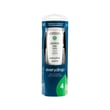
- Slow water flow: a clogged filter is a top cause; replace the refrigerator water filter EDR4RXD1.
- Leaks at the water connection: kinked tubing, low water pressure, or an improper valve can contribute.
Quick troubleshooting by symptom
| Symptom | Most likely cause | What we recommend |
|---|---|---|
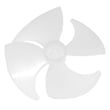
| Fresh food warm, freezer OK | Airflow restriction or evaporator fan issue | Clear vents; inspect the evaporator fan area; consider how to fix your evaporator cooling fan |
| Water flow slow | Filter clogged or needs replacement | Replace filter; purge air by dispensing water for a few minutes |
| Water inside or around doors | Door not sealing, frequent openings | Clean and inspect gaskets; confirm doors close without obstruction |
| Ice maker not making ice | Water supply/pressure issue, freezer too warm | Verify supply valve open; check for frozen fill tube; confirm freezer temp |
Model-specific tips from the JFC2087HRP manual
- Water filter service: dispense water for about 2 minutes before removing the filter, then turn the filter counterclockwise to release.
- Replacement interval: change the filter at least every 12 months; replace sooner with heavy use or poor water quality.
- Door closing problems: check for internal obstructions (drawers, ice bucket, oversized containers) and confirm the gasket seals.
Why it matters
Small airflow, gasket, and water-supply problems can look like major cooling or ice maker failures. Catching them early helps protect food temperatures, reduces compressor run time, and prevents leaks.
Last updated: February 2026
Is it better to have a freezer on top or bottom of the refrigerator?
For most households, a bottom-freezer design like the Jenn-Air JFC2087HRP is the better everyday choice because the fresh-food section sits at eye level, so you open the refrigerator door more often without bending. A top-freezer can be slightly more energy-efficient, but convenience usually favors bottom-freezer models.
Quick comparison
| Layout | Best for | Typical tradeoffs |
|---|---|---|
| Bottom freezer (like JFC2087HRP) | Frequent fresh-food access | Freezer items are lower; drawer can be heavier when full |
| Top freezer | Simple storage and fewer moving parts | Fresh-food items are lower; more bending |
| Side-by-side | Narrow door swing, balanced access | Narrow shelves; less room for wide items |
What matters most when choosing
- How often you access fresh food vs. frozen food
- Kitchen layout and door swing clearance
- Freezer style (drawer vs. swing door) and how you like to organize
- Energy habits (door-open time, loading, airflow)
- Maintenance access (cleaning, leveling, gasket care)
Efficiency and performance tips (any freezer position)
Your refrigerator runs best when airflow is not blocked and doors seal well. For this model, we recommend:
- Set initial temperature controls to mid-range (many models use a 1 to 7 scale; start around 4) and allow 8 to 12 hours to stabilize before loading food.
- Keep space between packages so cold air circulates freely, especially in the freezer.
- Avoid overloading the freezer with warm food at one time; it slows freezing and can raise temperatures.
- Keep the freezer about two-thirds full for efficient operation.
- Clean door gaskets and condenser coils regularly to help cooling performance.
For model-specific control locations and setup details, use the owner's manual.
Why it matters
Freezer placement does not automatically make food colder; organization and how you use the doors usually have a bigger impact on temperature stability, energy use, and day-to-day comfort.
Last updated: February 2026