 Owner’s manual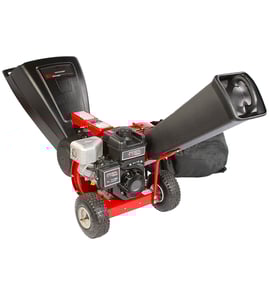




What are the common problems with chipper machines?
Common problems on the Troybilt 24A-424G766 chipper/shredder are clogs, poor chipping from a dull blade, unusual vibration from a loose or damaged impeller area, and engine running issues tied to fuel, air filter, or low oil. Our owner's manual also stresses safe operation and routine inspections to prevent many failures.
- Won’t start or runs rough: dirty air cleaner, water or dirt in fuel, choke not set correctly, spark plug issues
- Overheats: low engine oil level, dirty air cleaner, carburetor adjustment issues
- Too much vibration: loose parts or a damaged impeller; stop immediately and inspect
- Poor chipping or slow discharge: low engine RPM, dull chipper blade, chute/deflector clog, foreign object lodged
- Kickback or material backing up: reduction chamber or discharge area packed with processed material
From the operating and maintenance guidance for this model:
- Shut the engine off and wait for all moving parts to stop before checking anything.
- Disconnect the spark plug wire and ground it against the engine before clearing debris or servicing.
- Confirm the chipper chute, feed intake, and cutting chamber are empty before starting.
- Inspect material and remove rocks, metal, bottles, and other foreign objects.
- Check bolts and screws for tightness; visually inspect for damage.
| Problem you notice | Likely cause | What to do next |
|---|---|---|
| Unit does not discharge | Chute deflector clogged; foreign object in impeller; low RPM | Stop engine, disconnect spark plug wire, clear clog or lodged object; run at full throttle |
| Discharge slows or changes | Low RPM; dull chipper blade; lodged object | Run at full throttle; inspect blade; remove lodged debris |
| Excessive vibration | Loose hardware; damaged impeller area | Stop immediately; tighten hardware; replace damaged parts |
| Engine overheats | Low oil; dirty air cleaner | Fill to proper oil level; clean or replace air cleaner |
If chipping quality drops or discharge slows, blade condition is one of the first things we check.
Most chipper/shredder problems start as a simple restriction (clog), a speed issue (low RPM), or wear (dull blades). Catching those early helps prevent unsafe vibration, kickback through the feed opening, and damage to the cutting chamber.
Last updated: February 2026
Are homeowner wood chippers worth it?
Yes. A homeowner chipper/shredder like the Troybilt 24A-424G766 is worth it when you do regular yard cleanup and your material stays within the machine’s feed limits; it saves time versus repeated rentals and turns brush into mulch. See the owner's manual.
A homeowner unit is the right buy when you will use it multiple times per season and you can maintain it.
- You chip or shred after pruning, storms, or leaf season
- You want chips for mulch, paths, or compost carbon
- You have storage space and can handle basic upkeep
- Your typical branches fit the chute and hopper limits
- You prefer on-demand cleanup instead of scheduling rentals
Staying within the designed limits prevents damage to the shredder blade, flails, and impeller and keeps performance strong.
| Feed area | Best for | Limit |
|---|---|---|
| Chipper chute | Branches/wood | Up to 3 in diameter |
| Hopper | Leaves, twigs, small branches | Up to 1/2 in diameter |
Here is what typically makes ownership pay off or not.
- Worth it: frequent use, lots of brush, you reuse chips on-site
- Not worth it: once-a-year use, routine oversize limbs, no place to store it
- Maintenance reality: check bolts and screws, lubricate moving points, inspect cutting parts
These habits reduce jams and extend part life.
- Feed only one branch at a time into the chipper chute
- Use intermittent pressure on larger branches to avoid bogging the engine
- Keep the chipper chute lowered during operation
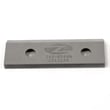
- Replace dull cutting parts when output drops (for example, chipper blade 742-0544)
Matching the machine to your typical branch size and workload is the difference between fast, safe cleanup and constant stalling, jams, and premature wear.
Last updated: February 2026
What is the 24A-424G766 14 hp wood chipper?
The Troybilt 24A-424G766 is a gas-powered chipper/shredder that chips larger branches through the chipper chute and shreds lighter yard debris through the hopper. It is often described by engine size (sometimes marketed as “14 HP”); use the model number and the 24A-424G766 owner's manual to match capacities and parts.
From the operating guidance for Troybilt model 24A-424G766:
- Chipper chute: feeds branches up to 3 inches in diameter for chipping
- Hopper: shreds leaves, twigs, and branches up to 1/2 inch in diameter
- Uses cutting and moving components (chipper blade, flails, impeller) to reduce material
- Discharges processed material through the discharge opening and chute deflector
These basics prevent kickback, clogs, and damage:
- Never chip or shred material larger than the machine specifies.
- Never unclog the feed intake or discharge opening with the engine running.
- Shut the engine off, wait for all moving parts to stop, then disconnect and ground the spark plug wire before clearing debris.
- Do not run the unit with the chipper chute raised; lower it into operating position before starting.
- Do not allow processed material to build up in the reduction chamber; it can block discharge and cause kickback.
| Feed area | What to feed | Max size |
|---|---|---|
| Chipper chute | Branches | Up to 3 in. diameter |
| Hopper | Leaves, twigs, small branches | Up to 1/2 in. diameter |
If you are identifying the cutting system or planning maintenance, these model-matched parts are commonly involved:
- Chipper blade 742-0544 (primary chipping cutter)
- Mtd chipper/shredder flail blade 719-0329 (helps shred and move material)
- Impeller assembly 681-04009 (moves material through and out of the chamber)
- Chipper/shredder screen 719-04070 (controls output size and helps keep debris contained)
“14 HP wood chipper” descriptions vary by engine labeling and marketing. Your 24A-424G766 model number is what ensures you follow the correct feed limits and get the right replacement parts for safe, reliable operation.
Last updated: February 2026