 Installation guide
 Owner’s manual
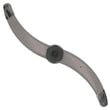


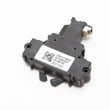


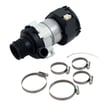

Can I replace dishwasher parts myself?
Yes, for the GE GDT545PGJ5WW dishwasher, we can usually replace many common parts ourselves (like spray arms, racks, and some seals) by shutting off power and water first and following the steps in the GDT545PGJ5WW installation guide. For electrical diagnostics or wiring repairs, we use extra caution and follow the safety guidance in the GDT545PGJ5WW owner’s manual.
What you can typically DIY vs. what to treat as advanced
Many repairs are straightforward if you can remove racks, use a screwdriver, and keep track of screws.
- Good DIY candidates: spray arms, rack parts, drain hose routing, leveling adjustments
- Advanced DIY (plan extra time): circulation pump, diverter, heating element
- Usually best for a technician: complex electrical troubleshooting, repeated breaker trips, grounding or hard-wiring issues
Safety steps we follow first
Dishwashers combine electricity, water, and heat, so we start with safe basics.
- Disconnect power at the breaker (and wall switch if your setup uses one)
- Shut off the water supply
- Let the unit cool at least 20 minutes after a cycle before working near heating components
- Keep the dishwasher installable for future removal (do not trap hoses or wiring)
- Verify the dishwasher is level before chasing performance problems
Common parts for this model that are often replaced
If symptoms point to a specific component, these are frequently replaced items for GDT545PGJ5WW.
| Symptom | Likely area to check | Example part for this model |
|---|---|---|
| Poor cleaning, weak spray | Spray arm clogged or worn | Dishwasher spray arm, lower WD22X33499 |
| Won’t start or acts “dead” | Latch not closing or control issue | GE dishwasher door latch lock WD21X10490 |
| Not drying or water not heating | Heater circuit | Dishwasher heating element WD05X30818 |
| Not draining | Drain path or pump | Dishwasher drain hose WD24X10062 |
Why it matters
DIY replacement can save time and service costs, but correct leveling, grounding, and hose routing prevent leaks, door fit issues, and repeat failures.
Last updated: February 2026
What is the most common problem with GE dishwashers?
The most common problems we see on GE dishwashers like model GDT545PGJ5WW are not draining, not starting, and poor cleaning or drying. In many cases, the fix is basic maintenance (cleaning and correct detergent use), but a failed latch, pump, or control can also be the cause.
Most common issues and what to check first
- Dishwasher won’t run: confirm the breaker is on, a wall switch (if used) is on, and the control panel is not locked; then try starting again per the GDT545PGJ5WW owner’s manual.
- Not draining: check for a kinked or restricted drain path; inspect the drain hose routing and connection.
- Not cleaning well: make sure spray arms can spin freely and are not clogged.
- Suds/foam in the tub: use only automatic dishwasher detergent (hand dish soap causes suds and poor wash performance).
- Hard water film or odors: run a cleaner cycle using citric acid or a dishwasher cleaner as described in the manual.
Quick symptom-to-part guide (common on this model)
| Symptom | Most likely area | Example part for GDT545PGJ5WW |
|---|---|---|
| Won’t start or stops mid-cycle | Door not latching, control not sensing closed door | Door latch lock WD21X10490 |
| Hums but won’t circulate water, poor wash | Wash circulation system | Dishwasher circulation pump WD26X23258 |
| Dishes gritty, lower rack not getting clean | Lower spray pattern restricted | Dishwasher spray arm, lower WD22X33499 |
| Water left in bottom after cycle | Drain system | Drain hose WD24X10062 |
Why it matters
Drain, wash, and start problems often look similar from the outside, but they come from different systems (latch and controls, circulation pump and spray arms, or drain hose and pump). Checking the simple items first prevents replacing good parts and gets your GE dishwasher back to normal faster.
Helpful reference
If your dishwasher is showing lights or beeps that point to a fault, use our GE electronic dishwasher error codes guide to match the code to the most likely cause.
Last updated: February 2026
What is the average lifespan of a GE dishwasher?
A GE dishwasher like model GDT545PGJ5WW typically lasts 10 to 12 years. Consistent cleaning, correct detergent use, and fixing small issues early (drain problems, poor drying, or error codes) are the biggest factors that keep a dishwasher running closer to the high end of that range.
What affects lifespan the most
- Water quality: hard water speeds up mineral buildup on the heating system and inside the tub.
- Cleaning routine: regular interior cleaning helps prevent odors and deposits.
- Loading habits: overloading can block spray arms and strain the circulation system.
- Heat and drying performance: weak heating can leave moisture behind and increase residue.
- Fast repairs: replacing worn parts early prevents bigger failures.
Quick maintenance that extends life
Use the care steps in the GDT545PGJ5WW owner's manual. For this GE platform, a simple routine works well:
- Wipe the control panel with a lightly damp cloth; dry thoroughly.
- Run a cleaner cycle periodically (citric acid or dishwasher cleaner) to reduce mineral film.
- Check that spray arms spin freely and holes are not clogged.
- Keep the door seal area clean so the door closes and seals correctly.
Common “wear items” and what they impact
| Symptom | Common cause | Example model-matched part |
|---|---|---|
| Dishes not getting clean | Poor spray coverage | Dishwasher spray arm, lower WD22X33499 |
| Not drying well | Weak/no heat | Dishwasher heating element WD05X30818 |
| Won’t start or stops mid-cycle | Door not latching | GE dishwasher door latch lock WD21X10490 |
| Not draining | Pump or restriction | Drain pump assembly WD19X25187 |
Why it matters
Knowing the typical 10 to 12 year lifespan helps you decide whether to repair or replace. If your GDT545PGJ5WW is under about 8 years old, repairs like a spray arm, latch, or heating element are often practical; past 10 to 12 years, multiple symptoms usually point to broader wear.
Last updated: February 2026





