Owner’s manual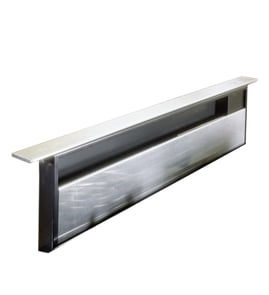



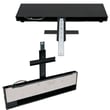
Is a downdraft range worth it?
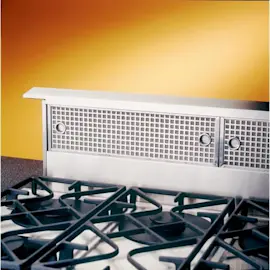
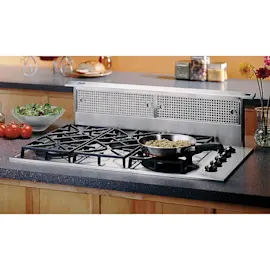
A downdraft setup can be worth it when you need a clear sightline over an island or you cannot install an overhead hood; for Broan model 2730, it is designed for domestic cooking and moves up to 500 CFM, but it typically captures smoke and steam less effectively than a properly sized overhead hood.
- Your cooktop is on an island or peninsula and an overhead hood would block views.
- You want a minimalist look with ventilation that rises only when needed.
- You do mostly light-to-moderate cooking (simmering, sautéing, occasional searing).
- You have a practical duct route available (short, smooth duct runs perform best).
- You do frequent high-heat cooking (wok, heavy searing, lots of smoke or steam).
- You use tall stockpots often (steam can rise above the downdraft capture zone).
- You want the best capture efficiency and odor control.
The Broan 2730 downdraft blower system is rated at 120V, draws about 4.0 amps, and is specified at 500 CFM with a 3-1/4 x 10 duct connection. It can be installed in island, peninsula, or wall locations; the installation also requires planning for countertop clearances and a grounded outlet location. For exact cutout and clearance guidance, use the 2730 owner's manual.
| Feature | Downdraft (Broan 2730 style) | Overhead hood |
|---|---|---|
| Sightlines | Excellent | Can block views (especially on islands) |
| Capture efficiency | Moderate | High (typically best) |
| Best for | Light-to-moderate cooking | Heavy cooking, high heat |
| Cleaning access | Can be more involved | Usually easier |
Ventilation performance affects indoor air quality, lingering odors, and how much grease and moisture ends up on cabinets and ceilings. Choosing the right style for how you cook prevents disappointment after installation.
Last updated: January 2026
What ranges have built-in downdrafts?
A true “built-in downdraft range” is uncommon; most kitchens get the same effect by pairing a standard range or cooktop with a separate downdraft ventilation system (like Broan model 2730) installed behind the cooking surface. For exact compatibility and cutout requirements, use the Broan 2730 owner's manual.
In most product listings, “downdraft range” can refer to one of these setups:
- Range with integrated downdraft intake (downdraft is part of the range itself)
- Cooktop plus separate downdraft unit mounted behind the cooktop (common approach)
- Telescopic downdraft hood installed in the countertop (separate from the range)
For a Broan 2730-STYLE downdraft blower system, we focus on fit, airflow, and clearances rather than a specific “downdraft range” model.
- Confirm the cooktop or range allows a downdraft installation behind it
- Verify you have enough flat countertop behind the cooktop for the downdraft to mount
- Plan duct routing (common duct size is 3-1/4 x 10 inches for this system)
- Confirm electrical supply (this unit uses 120 VAC and draws about 4 amps)
- If using gas, expect the blower airflow to influence the flame at higher speeds (lowering blower speed typically corrects it)
| What to verify | What to look for |
|---|---|
| Cabinet and countertop space | Flat area behind cooktop; cabinet depth clearance |
| Electrical | Grounded 120 VAC outlet within reach of the power cord |
| Ducting | Path for ductwork and a proper wall or roof cap |
| Cooking surface type | Gas or electric cooktops can be used |
Downdraft performance depends heavily on installation details (cutout size, duct routing, and clearances). Getting those right prevents weak ventilation, vibration, and interference with the cooktop.
Last updated: January 2026
Do downdraft vents need to be vented outside?
Yes. For the Broan 2730 downdraft ventilation system, the blower is designed to be ducted, and ducted fans must be vented to the outdoors. Venting outside moves smoke, heat, and grease-laden air out of the kitchen instead of recirculating it. See the 2730 owner's manual for the approved venting requirements.
A ducted downdraft pulls air down through the intake and pushes it through ductwork to an exterior termination.
- Run ductwork to an exterior wall or roof cap (per local code)
- Use metal ductwork to reduce fire risk
- Avoid crushing, kinking, or sharply bending the duct
- Keep the duct run as short and straight as practical
- Do not add an aftermarket speed control device
Most downdraft systems perform best when ducted. The Broan 2730 is intended for outdoor venting.
| Setup | Where the air goes | Typical result |
|---|---|---|
| Ducted (outdoor vent) | Outside the home | Best smoke and odor removal |
| Ductless (recirculating) | Back into the kitchen through filters | More lingering heat and odors |
Venting outdoors helps prevent grease and moisture from staying in the kitchen, improves capture of cooking smoke, and supports safer operation. Proper venting also helps reduce the chance of backdrafting when other fuel-burning appliances are present.
Last updated: January 2026