Error Codes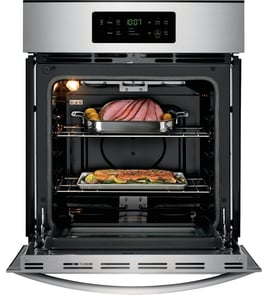


Are most wall ovens electric?
Yes. Most wall ovens are electric, and the GE JRP24BW1BB is an electric wall oven. Electric wall ovens are common because they install easily in standard cabinetry and provide consistent baking and broiling performance.
What you will typically see on the market
- Electric wall ovens are the most common choice in many kitchens.
- Gas wall ovens exist, but they are less common and require a gas supply line.
- Some homes choose electric for simpler installation and broader model selection.
How to tell what type you have (quick checks)
- Look at the model tag and confirm the model number matches JRP24BW1BB.
- Check the power connection: electric wall ovens typically use a dedicated high-voltage circuit.
- If your oven has a gas line connected, it is a gas model.
- If you are shopping for parts, match parts to your exact model to avoid fit and wiring issues.
Parts that support electric baking and broiling on this model
If your oven is not heating correctly, these common electric-heating parts are often involved:
| Cooking function | Common related part | What a failure can look like |
|---|---|---|
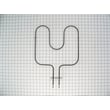
| Bake | GE range bake element WB44K5013 | Slow heat, uneven baking, no bake heat |
| Broil | GE range broil element WB44K5009 | No broil heat, weak top browning |
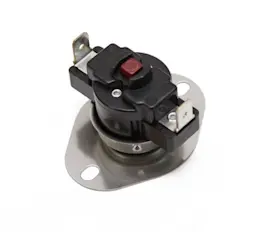
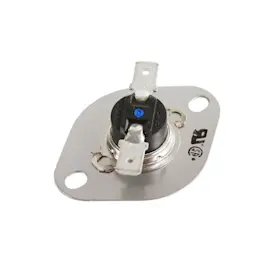
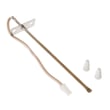
| Overheat protection | Wall oven thermal fuse WB24K5085 | Oven appears dead or stops heating |
Why it matters
Electric vs. gas determines the power source, installation requirements, and the correct replacement parts. For the GE JRP24BW1BB, using model-matched electric heating parts helps restore proper temperature control and cooking results.
Last updated: January 2026
How much are electric wall ovens?
Electric wall ovens typically cost about $500 to $5,000+, depending on size (single vs. double), features (convection, self-clean), and installation needs. For your GE JRP24BW1BB, the best value decision is usually repair vs. replace based on the condition of key heating and safety parts.
What drives the price most
- Configuration: single wall ovens usually cost less than double wall ovens
- Cooking features: convection, air fry modes, and advanced controls raise cost
- Finish and design: stainless and premium styling often cost more
- Electrical and install work: cabinet cutout changes and wiring upgrades add labor cost
- Brand and warranty: pricing varies widely by brand and coverage
Repair vs. replace: a quick decision guide
If your GE JRP24BW1BB has a specific failure (no heat, weak broil, or intermittent shutdown), replacing the failed part is often far less expensive than a new oven.
| Situation | Typical best move | Example part for this model |
|---|---|---|
| Bake not heating evenly or not heating | Repair | GE range bake element WB44K5013 |
| Broil not working | Repair | GE range broil element WB44K5009 |
| Oven dead after overheating event | Diagnose and repair | Wall oven thermal fuse WB24K5085 |
Why it matters
Wall ovens are built into cabinetry, so replacement cost is not just the appliance price. Installation complexity and electrical requirements can add a significant amount, while a targeted repair (like an element or thermal fuse) restores performance at a much lower total cost.
Last updated: January 2026
What is the error code F9 on a GE wall oven?
On the GE JRP24BW1BB electric wall oven, an F9 error code points to a door lock or door latch problem. The oven is detecting that the lock mechanism is not moving to the expected position, which can stop self-clean and sometimes affect normal baking.
What to check first (safe, quick steps)
- Cancel the cycle and let the oven cool completely.
- If the code appeared during self-clean, wait 60 to 90 minutes; the lock can stay engaged until temperatures drop.
- Make sure nothing is physically blocking the door or lock area.
- Turn off power at the breaker for 2 to 5 minutes, then restore power and recheck.
- If the door is locked, do not force it; forcing can damage the latch or door glass.
Common causes on a GE wall oven
| Likely cause | What you may notice | Typical fix |
|---|---|---|
| Door lock motor not moving | F9 returns quickly, self-clean will not start/finish | Replace the lock assembly motor or related lock parts |
| Lock lever or linkage binding | Intermittent F9, lock sounds strained | Inspect linkage, replace worn lock components |
| Overheat event opened a safety device | Oven dead or erratic after self-clean | Test and replace a thermal fuse if open |
| Wiring/connector issue | Random F9, especially after moving the oven | Inspect harness connections to lock and control |
Parts that are often involved
These are common repair paths for this model when F9 is tied to the lock system or an overheat condition:
- Lock motor WB49T10020 (door lock motor that drives the latch during self-clean)
- Lock lever assembly WB15K5016 (mechanical lever/linkage used by the lock system)
- Wall oven thermal fuse WB24K5085 (opens if temperatures get too high, which can disrupt lock operation)
Why it matters
The door lock system is a safety feature, especially during self-clean. When the control cannot confirm the lock position, it triggers F9 to prevent unsafe operation and to protect the oven door and latch components.
Last updated: January 2026
Does GE make gas wall ovens?
Yes. GE makes gas wall ovens in addition to electric wall ovens like model JRP24BW1BB; gas wall ovens use a gas burner for heat and typically require a gas supply line plus electrical power for controls and ignition.
How gas wall ovens differ from your GE JRP24BW1BB electric wall oven
- Heat source: gas burner vs. electric bake and broil elements
- Utility needs: gas line plus 120V power vs. 240V electric supply (typical for electric wall ovens)
- Cooking performance: gas ovens often have slightly more moisture; electric ovens often provide very even, steady heat
- Service parts: gas models use igniters, safety valves, and burners; electric models use elements, sensors, and fuses
| Feature | Gas wall oven | Electric wall oven (JRP24BW1BB) |
|---|---|---|
| Primary heating | Gas burner | Electric elements |
| Common wear items | Igniter, valve, burner | Bake element, broil element, thermal fuse |
| Typical symptom when it won’t heat | No ignition | Element not glowing/heating |
If you are shopping parts for JRP24BW1BB
For this GE electric wall oven, heating problems are commonly tied to the bake or broil circuit. If the oven won’t bake or broil, start by checking the element for visible damage and then test for continuity.
- Inspect the element for blisters, cracks, or burn spots
- Verify the oven is getting proper power at the terminal block (power off before accessing)
- Test the element and thermal fuse with a multimeter
- Check wiring connections for heat damage
Helpful model-matched parts to review include the GE range bake element WB44K5013 and the wall oven thermal fuse WB24K5085.
Why it matters
Gas and electric wall ovens are not interchangeable for installation or parts. Matching the correct fuel type and model number prevents ordering the wrong components and helps you troubleshoot the right heating system.
Last updated: January 2026