


Is GE GSD4200J00BB considered high end?
GE model GSD4200J00BB is a standard, older-style built-in dishwasher, not a “high-end” or premium line. In practical terms, it is designed around core wash and drain performance, and most upgrades you will make are repair and maintenance related (seals, racks, pump and motor) rather than luxury features.
What “high end” means for dishwashers
High-end dishwashers typically focus on quieter operation, more advanced wash systems, and premium racks and controls. For a model like GE GSD4200J00BB, the value is reliability and serviceability.
Common high-end traits (for comparison):
- Very low noise ratings (often marketed heavily)
- More wash zones and specialized cycles
- Premium rack adjustability and finishes
- More advanced electronic controls and diagnostics
- Higher-end drying systems
How to judge your GSD4200J00BB by what you can service
If your dishwasher is cleaning well, draining fully, and not leaking, it is performing as intended for its class. When performance drops, these parts are the most common “make it feel new again” fixes:
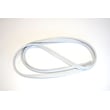
- Replace a leaking door seal: gasket WD08X10057
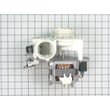
- Fix poor wash or circulation issues: mechanism WD26X10013
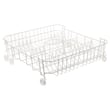
- Restore rack function and loading capacity: rack asm lwr WD28X31819
- Improve spray coverage if the arm is worn or clogged: spray arm WD22X155
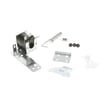
- Address drain problems (when the unit leaves water behind): dishwasher drain solenoid kit WD21X10060
Quick comparison: “high end” vs GSD4200J00BB
| Category | High-end dishwasher | GE GSD4200J00BB |
|---|---|---|
| Primary value | Features, quiet, premium design | Solid core wash and drain function |
| Typical upgrades | Feature-driven (cycles, racks, drying) | Repair-driven (seals, pump, racks) |
| Best way to improve results | Use advanced options and loading systems | Maintain spray, seals, and drain path |
Why it matters
Knowing the class of your dishwasher helps you decide whether to repair or replace. With GSD4200J00BB, repairs usually target performance basics (leaks, draining, cleaning) and can restore dependable day-to-day operation without chasing premium features.
Related troubleshooting help: GE dishwasher error codes
Last updated: February 2026
What is the most common problem with a GE dishwasher?
The most common GE dishwasher problems are the dishwasher not draining, not starting, or not cleaning well. On the GE GSD4200J00BB, these symptoms usually trace back to a blocked drain path, a door that is not latching firmly, or weak wash circulation from a worn pump, spray arm, or seals; our dishwasher not draining video walks through the quickest checks.
Most common symptoms and what they usually mean
- Won’t start: door not fully latched, power interruption, or a control/door switch issue
- Won’t drain: clogged drain hose, stuck drain solenoid, or a restriction at the pump outlet
- Not cleaning: spray arm ports clogged, low water fill, or weak circulation from the pump and motor
- Leaks: door seal wear, misaligned door, or a failing shaft seal at the pump
Quick checks you can do first (no parts needed)
- Confirm the door closes firmly and nothing is blocking the latch area.
- Remove debris from the tub bottom and any visible screens.
- Check the sink drain and disposer inlet (a common restriction point).
- Inspect the drain hose routing for kinks and make sure it has a high loop.
- Run hot water at the sink for 30 to 60 seconds before starting a cycle.
Parts that commonly fix these problems on model GSD4200J00BB
If troubleshooting points to a failed component, these are common fixes for the symptoms above:
| Symptom | Common part to check/replace | Why it matters |
|---|---|---|
| Not draining | Dishwasher drain hose WD24X10014 | A split, kinked, or restricted hose stops water from leaving the tub |
| Not draining | Dishwasher drain solenoid kit WD21X10060 | A stuck solenoid can prevent the drain mechanism from opening |
| Not cleaning | Spray arm WD22X155 | Clogged or worn spray arm reduces spray pressure and coverage |
| Leaking | Gasket WD08X10057 | A worn door seal lets water escape during wash and drain |
| Leaking/noisy/poor wash | Shaft seal WD8X181 | A failing seal can leak at the pump shaft and affect performance |
| Poor wash circulation | Mechanism WD26X10013 | A weak pump and motor assembly reduces wash pressure |
Why it matters
Drain and wash issues often look like “the dishwasher is bad,” but they are usually a single restriction (hose, debris) or a single wear part (spray arm, seal, pump). Fixing the root cause restores cleaning performance and helps prevent repeat leaks and standing water.
Last updated: February 2026
What is the average lifespan of a GE dishwasher?
A GE dishwasher typically lasts 10 to 12 years. With normal use and basic upkeep (cleaning, good loading habits, and fixing small leaks early), many units reach the low teens before major repairs like a pump or door-seal replacement become common.
What affects lifespan the most
- Water quality (hard water speeds up mineral buildup)
- How often it runs (multiple loads daily adds wear)
- Cleaning and maintenance (spray arms, sump area, and seals)
- Leaks and moisture exposure (can damage wiring and components)
- Overloading (stresses racks, rollers, and wash performance)
Maintenance that extends life
- Run hot water at the sink before starting a cycle so the dishwasher fills with hot water.
- Keep the tub bottom and sump area clear of labels, glass, and food debris.
- Inspect the door sealing surfaces; replace worn seals before leaks spread.
- Make sure the spray arm spins freely and holes are not clogged.
- Use the right detergent amount; too much can cause residue and poor rinsing.
Common “end-of-life” repairs (and what they mean)
| Symptom | Often points to | Typical fix type |
|---|---|---|
| Not draining | Drain restriction or drain solenoid issue | Hose cleanout or part replacement |
| Leaking at the door | Worn door seal | Seal replacement |
| Poor cleaning | Clogged spray arm or weak wash pump | Cleaning or pump/motor repair |
For the GE GSD4200J00BB, examples of parts that often come up in these repairs include the dishwasher door seal insert WD08X10015 and the mechanism WD26X10013.
Why it matters
Knowing the typical 10 to 12 year lifespan helps you decide whether to repair or replace. If your GSD4200J00BB is already in that range and needs a major wash-system repair, comparing part cost and overall condition usually makes the decision clearer.
For troubleshooting steps that can prevent unnecessary wear, use our how to clean and maintain your dishwasher guide.
Last updated: February 2026
Can a clogged drain cause an FTD error?
Yes. On a GE GSD4200J00BB dishwasher, a clogged drain path can trigger an FTD (drain-related) error because the unit cannot pump water out within the expected time. Clearing the blockage in the hose, sump area, or drain components typically restores normal draining.
What to check first (fast, common fixes)
- Cancel the cycle and let the dishwasher attempt to drain; listen for the drain motor running.
- Check the sink drain or garbage disposal inlet (a blocked disposal connection can stop dishwasher draining).
- Inspect the drain hose for kinks, crushing, or a sag that traps water.
- Look for debris in the bottom sump area (labels, glass, food) that can restrict flow.
- If your setup uses a high loop or air gap, make sure it is not clogged.
Parts that commonly cause slow or failed draining
A clog is common, but a mechanical drain issue can look the same. These parts are frequent culprits on many GE dishwashers:
| Symptom | Most likely cause | What we usually do |
|---|---|---|
| Hums but won’t drain | Blockage in hose or pump area | Clear obstruction; verify hose routing |
| Drains slowly | Partial clog or restricted hose | Clean hose and drain path |
| Won’t drain and you don’t hear draining | Drain actuator issue (on some designs) | Check/replace drain solenoid kit |
| Drains but leaks underneath | Seal problem at pump | Inspect/replace shaft seal |
If you suspect a failed drain actuator or pump-side leak, the model-specific parts to look at include the dishwasher drain hose WD24X10014, dishwasher drain solenoid kit WD21X10060, and shaft seal WD8X181.
Why it matters
When the dishwasher cannot drain, dirty water can remain in the tub, redeposit soil on dishes, and end the cycle early. Fixing the drain restriction also helps protect the pump and motor assembly from strain.
Helpful troubleshooting reference
If your dishwasher is showing an error code and you want to confirm what it means and what to test next, use our GE dishwasher error codes guide.
Last updated: February 2026





