Owner’s manual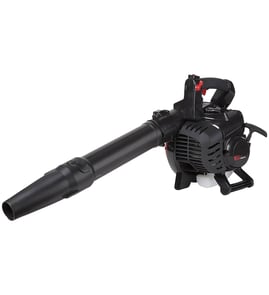


Are gas leaf blowers being phased out?
Yes, gas leaf blowers are being phased out in many areas through local noise and emissions rules; it is not a single nationwide phase-out. Your Craftsman 316794990 is still serviceable, and our focus is keeping it running safely and within your local requirements (see the owner's manual).
What “phased out” usually means
Most changes happen at the city, county, or state level and typically affect one or more of these:
- Where you can use a gas blower (neighborhood noise ordinances)
- When you can use it (day and time restrictions)
- What you can buy new (sales restrictions on certain engine types)
- How it must be equipped (muffler and spark arrestor requirements)
What you can do if you already own a Craftsman 316794990
If your area restricts use, you can often stay compliant by keeping the blower in good operating condition and using it responsibly.
- Keep the muffler and spark arrestor in good condition; replace faulty components promptly
- Keep the engine and muffler area free of leaves, grass, grease, and carbon buildup
- Never operate with loose or damaged parts
- Shut the engine off and disconnect the spark plug before maintenance
- Direct debris away from people, animals, and windows
Model-specific specs that help set expectations
These specs from the Craftsman 316794990 operator information help you compare performance if you are considering alternatives.
| Spec | Craftsman 316794990 (from manual) | Why it matters |
|---|---|---|
| Blower velocity | Up to 170 mph | Higher velocity moves heavier, wet debris better |
| Air output | Up to 485 cfm | Higher CFM moves more volume for faster cleanup |
| Fuel tank capacity | 20 oz (600 ml) | Affects runtime between refuels |
| Approx. weight (no fuel) | 19.5 lb | Impacts comfort for longer jobs |
Why it matters
If your area is tightening rules, maintenance becomes even more important. A well-tuned 2-cycle blower runs more consistently, is easier to start, and is less likely to smoke excessively or surge, which can draw complaints and shorten engine life.
Last updated: February 2026
What is the best gas-powered leaf blower on the market?
There is not one single “best” gas-powered leaf blower for everyone; the best choice depends on whether you need maximum air volume (CFM), maximum air speed (MPH), or all-day comfort. For reference, the Craftsman 316794990 backpack blower is rated up to 485 CFM and up to 170 MPH (a strong homeowner-level baseline). See the owner's manual for the specs and intended use.
How we recommend choosing the “best” blower
Match the blower style to your job and how long you will run it:
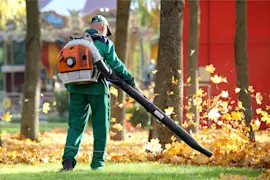
- Backpack blower: best for long sessions and large yards; less arm fatigue
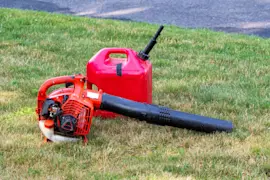
- Handheld blower: best for quick cleanup and lighter weight
- Higher CFM: moves more leaves at once (great for piles and wet leaves)
- Higher MPH: better for stuck debris (mulch beds, corners, matted leaves)
- Comfort features: harness fit, throttle lock, and vibration control matter on long jobs
Quick comparison: what to look at
| What you care about | What to prioritize | Why it matters |
|---|---|---|
| Big piles, wide areas | Higher CFM | Clears faster with fewer passes |
| Heavy, stuck debris | Higher MPH | Breaks debris loose from surfaces |
| Long run time comfort | Backpack design | Reduces arm and wrist fatigue |
| Easy starting and control | Primer, choke positions, throttle lock | Faster starts and steadier operation |
Where the Craftsman 316794990 fits
This model is a 2-cycle backpack blower designed for yard cleanup with solid output (up to 485 CFM and 170 MPH) and typical backpack ergonomics. It is a good pick when you want strong performance without stepping up to pro-grade size and cost.
Specs called out in the manual
- Blower air output: up to 485 CFM
- Blower velocity: up to 170 MPH
- Fuel tank capacity: 20 oz (600 ml)
- Approximate weight (no fuel): 19.5 lb
Why it matters
Buying “the best” blower is really about buying the right balance of CFM, MPH, and comfort for your yard. A blower that is too small wastes time; a blower that is too large adds weight, fuel use, and noise without real benefit.
Last updated: February 2026
How many cfm for a good leaf blower?
A “good” leaf blower is typically 400 to 700 CFM for most yards; smaller patios and tight areas often do fine around 150 to 400 CFM. For your Craftsman 316794990, the rated air output is up to 485 CFM, which fits the solid all-around range for routine yard cleanup (leaves, grass clippings, and light debris). See the owner's manual for the full specs and operating guidance.
What CFM means (and what to look for)
CFM (cubic feet per minute) is the volume of air the blower moves. Higher CFM generally clears a wider path and moves piles faster.
- 150 to 400 CFM: small yards, decks, garage floors, dry leaves
- 400 to 700 CFM: most residential yards, moderate leaf cover
- 700+ CFM: large properties, heavy leaf loads (often larger units)
CFM vs. MPH: quick comparison
CFM is “how much air,” MPH is “how fast the air stream is.” You usually want a balance.
| Spec | What it affects | When it matters most |
|---|---|---|
| CFM | How much debris you can move at once | Piles of leaves, wider clearing passes |
| MPH | How well you can dislodge stuck debris | Wet leaves, debris in mulch, corners and cracks |
For the Craftsman 316794990, the manual lists up to 485 CFM and up to 170 MPH, which is a practical combo for general yard work.
How to choose the right CFM for your yard
Use these factors to decide whether you need more (or less) airflow:
- Yard size: bigger areas benefit from higher CFM
- Leaf volume: heavy fall drop needs more CFM than occasional cleanup
- Surface type: gravel and mulch often need careful throttle control
- Debris type: pine needles and wet leaves can be harder to move
- Noise and control: more airflow can mean more noise and more “push” to manage
Why it matters
Choosing the right CFM helps you finish faster without overblowing debris into flower beds, fences, or bystanders. We also recommend using throttle control to match airflow to the job, especially near buildings and landscaping.
Last updated: February 2026
What is the life expectancy of a gas leaf blower?
A gas leaf blower lasts 10 years with normal homeowner use and consistent maintenance. For your Craftsman 316794990 2-cycle blower, lifespan depends most on correct fuel mix, clean airflow (filter and cooling fins), and proper storage; follow the schedule in the 316794990 operator's manual.
Typical lifespan ranges
Most gas blowers land in these real-world ranges:
- 10 years: typical homeowner lifespan with routine maintenance
- 7 to 9 years: frequent use, dusty conditions, or occasional missed maintenance
- 10+ years: careful fuel handling, clean filtration, and off-season storage done right
What most affects engine life on a 2-cycle blower
These habits prevent premature wear and hard-starting:
- Mix fresh fuel at the correct ratio (this model uses a 40:1 2-cycle mixture)
- Keep the air filter and intake path clean so the engine does not run hot
- Avoid running old fuel; drain the tank or use fuel stabilizer before storage
- Let the engine cool between long, high-load runs
- Address early symptoms (surging, loss of power, repeated pull-starting)
Maintenance actions that extend service life
Use this as a practical baseline:
- Use fresh, properly mixed 40:1 fuel and quality 2-cycle oil
- Clean debris from cooling areas and the blower housing regularly
- Tighten loose fasteners and inspect for air leaks at hoses and connections
- Store the blower clean and dry; keep dirt out of the intake and tube
- If power drops and compression feels weak, inspect internal wear items such as the piston ring 525493601
Quick reference for Craftsman 316794990
| Item | Spec | Why it matters |
|---|---|---|
| Engine type | Air-cooled, 2-cycle | Oil in the fuel provides lubrication |
| Displacement | 30 cc | Sensitive to airflow restriction and fuel quality |
| Fuel mix | 40:1 | Wrong mix accelerates wear |
| Fuel tank | 20 oz (600 ml) | More refills; avoid letting fuel go stale |
Why it matters
Most blowers do not fail suddenly; they wear down gradually (hard starting, reduced power, higher fuel use). Staying on top of fuel mix, filtration, and storage keeps performance consistent and prevents early engine wear.
Last updated: February 2026