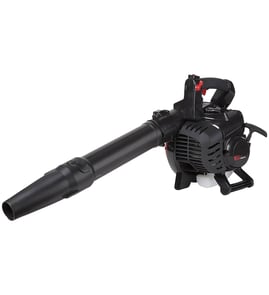



Is 180 cfm good for a leaf blower?
Yes. 180 CFM is good for light-duty leaf blower work, such as clearing dry leaves from patios, decks, sidewalks, and small driveways. For larger yards, wet leaves, or heavier debris, most users prefer a higher CFM blower for faster cleanup.
- Dry leaves on hard surfaces (concrete, pavers, decks)
- Light grass clippings after mowing
- Dust and small debris in garages or sheds
- Tight areas where control matters more than raw airflow
If your Homelite HB-180 feels underpowered, the issue is often the job conditions, not the blower.
- Wet or matted leaves
- Pine needles packed into turf
- Gravel driveways (higher CFM can move material you do not want moved)
- Large areas where speed matters
| CFM range | Typical use | What you will notice |
|---|---|---|
| 100 to 300 | Light-duty cleanup | More control, slower on big piles |
| 300 to 500 | Medium-duty yard work | Faster clearing, better on lawns |
| 500+ | Heavy-duty and pro use | Moves wet debris quickly, can be harder to control |
CFM (air volume) is what moves piles of leaves; MPH (air speed) helps break debris loose. If performance drops over time, restoring airflow and sealing exhaust leaks often makes a bigger difference than chasing a higher CFM number.
- Check and clean or replace the air filter; a clogged filter reduces airflow and power (see filter PS98913).
- Inspect the muffler area for leaks; a damaged gasket can hurt performance (see muffler gasket 00394).
- Make sure the housing and covers are installed correctly so air is directed properly (see shroud 00321).
- Confirm fasteners are tight so the blower does not vibrate and leak air (see screw 82528).
Last updated: February 2026
Is the Homelite gas leaf blower any good?
The Homelite HB-180 gas leaf blower is a solid choice for typical home yard cleanup when it’s tuned correctly and maintained; it’s designed to be portable and deliver strong airflow for moving dry leaves and light debris. Most “not good” experiences come from fuel, air-filter, or exhaust issues rather than the blower’s core design.
A gas handheld blower is performing well when it:
- Starts consistently (cold and warm)
- Idles without stalling
- Accelerates cleanly when you squeeze the throttle
- Blows strongly without surging
- Does not overheat or smell excessively of fuel
These are the most common, high-impact items to check before judging overall quality:
- Fuel mix and freshness: Use the correct 2-cycle mix and fresh fuel; old fuel causes hard starting and poor power.
- Air intake: Make sure the air filter and cover seal correctly; a loose or damaged cover can affect airflow and mixture.
- Exhaust sealing: A leaking muffler area can reduce performance and make the unit louder.
- Fasteners and covers: Loose screws or missing covers can cause vibration, rattles, and air leaks.
- General condition: Cracked shrouds or missing deflectors can change cooling airflow and handling.
If your HB-180 is difficult to start, won’t stay running, or feels underpowered, these model-matched parts are often involved:
| Symptom | What to inspect | Example part on this model page |
|---|---|---|
| Hard starting, bogging | Air intake sealing and filter condition | Air filter cover 98761 |
| Loud exhaust, weak power | Muffler sealing | Muffler gasket 00394 |
| Excess vibration or rattling | Loose/missing hardware | Screw 82528 |
A handheld gas blower like the Homelite HB-180 depends on correct airflow (intake and cooling) and a sealed exhaust path to run at the right fuel mixture and temperature. When those basics are off, the blower can feel unreliable even though the engine and fan system are capable.
Last updated: February 2026
What is the most reliable gas leaf blower?
The most reliable gas leaf blower is typically a commercial-grade model from brands known for long-term parts support and durable engines. For many owners, that means choosing a proven Stihl or ECHO blower and then keeping it reliable with clean air filtration, a sealed exhaust, and correct fasteners.
Reliability usually comes down to easy starting, consistent power under load, and fewer fuel or exhaust issues over time.
- Starts easily hot and cold
- Holds a steady idle without stalling
- Maintains airflow without bogging down
- Does not leak exhaust at the muffler
- Has routine-wear parts that are easy to service
These are common reliability picks across handheld and backpack gas blowers.
| Brand | Typical reliability strength | Best fit for |
|---|---|---|
| Stihl | Heavy-duty build, strong dealer ecosystem | Frequent use, demanding yards |
| ECHO | Excellent durability for the price | Homeowners and prosumers |
| Husqvarna | Strong backpack options | Large properties |
If you already own the Homelite HB-180, reliability improves most when you prevent air leaks, keep filtration clean, and avoid loose hardware.
- Inspect and clean/replace the air filter regularly; a restricted filter can cause rich running and plug fouling (see filter 49422 if you need the correct part).
- Make sure the air filter cover seals and latches correctly; replace a cracked cover (see air filter cover 98761).
- Fix exhaust leaks promptly; a leaking gasket can reduce power and increase noise (see muffler gasket 00394).
- Recheck screws and nuts after the first few uses of the season; vibration loosens hardware over time.
- Use fresh, properly mixed fuel and do not store fuel in the tank long-term.
A “reliable” blower is one that stays easy to start and keeps full airflow. On small 2-cycle engines, simple maintenance items like filtration and exhaust sealing often make the difference between a blower that runs for years and one that becomes hard to start.
Last updated: February 2026
Are gas leaf blowers being phased out?
Yes. Gas leaf blowers are being phased out in many areas through local ordinances and state rules that restrict sales and or use (mainly for noise and emissions). Your Homelite HB-180 is still serviceable; you just need to follow the rules where you live.
Most policies fall into one of these categories:
- Sales restrictions: limits on selling new gas-powered outdoor equipment.
- Use restrictions: limits on when or where gas blowers can be operated.
- Commercial-only rules: different requirements for landscapers vs homeowners.
- Noise limits: enforcement based on decibel levels and time-of-day.
- Seasonal timelines: phased dates that tighten over time.
Because rules vary by city and county, we recommend confirming these details before you run your HB-180:
- Whether gas blower use is restricted (not just sales)
- Allowed days and hours of operation
- Whether 2-cycle engines have special limits
- Whether there are noise limits (and how they are measured)
- Whether there are exemptions for certain property sizes or cleanup needs
If you are allowed to use it, good maintenance reduces smoke, noise, and hard-start issues.
- Clean or replace the air filter; check the filter PS98913
- Inspect the muffler area for leaks; replace the muffler gasket 00394 if it is damaged
- Make sure the housing and cooling air path are intact; replace a cracked shroud 00321
- Confirm the air filter cover seals correctly; replace the air filter cover 98761 if it is loose or broken
- Tighten missing hardware (common vibration issue); replace a lost screw 82528
| If your area restricts... | Practical option | What we can help with |
|---|---|---|
| Gas blower use | Switch to electric for restricted days | Keep HB-180 maintained for permitted use |
| Gas blower sales | Keep using existing equipment | Provide replacement parts for HB-180 |
| Noise limits | Use lower throttle, avoid early hours | Fix exhaust leaks and loose covers |
A phased-out policy does not automatically mean your HB-180 is obsolete. It means compliance depends on local rules; maintenance also helps reduce the noise and exhaust that often trigger complaints.
Last updated: February 2026