Error Codes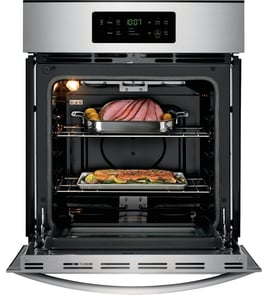



What does F3 mean on a GE oven?
On a GE JRP03G0J3 electric wall oven, the F3 error code points to an oven temperature sensing problem, most often an open or shorted oven temperature sensor circuit. In many repairs, the fix is replacing the oven sensor or correcting a wiring/connection issue.
What to check first (safe, quick checks)
- Reset power: turn the breaker off for 1 minute, then back on; see if F3 returns.
- Confirm when it happens: during preheat, after it’s hot, or immediately at power-up.
- Look for obvious wiring damage (only after power is off): pinched, burned, or loose sensor wiring at the rear or control area.
- Check for overheating symptoms: fan not running (if equipped), blocked vents, or heavy foil use that traps heat.
Common causes and likely fixes
| Likely cause | What it means | Typical fix |
|---|---|---|
| Failed oven temperature sensor | Sensor reads wrong temperature | Replace the sensor (most common) |
| Loose/burned connector | Intermittent sensor signal | Repair/replace terminals, tighten connection |
| Damaged harness | Open/short in sensor circuit | Repair wiring or replace harness section |
| Control problem | Control misreads sensor input | Diagnose control after sensor and wiring test good |
How we typically diagnose F3
- Disconnect power at the breaker (wall ovens are 240V).
- Access the sensor connector and ohm-test the sensor with a multimeter.
- If the sensor tests good, check continuity from sensor leads back to the control.
- If wiring and sensor test good, the control/timer circuit becomes the next suspect.
A good starting point for electrical testing technique is how to use a multimeter to test electrical parts video.
Why it matters
When the control cannot trust the temperature signal, it may shut heating down or allow unsafe temperature swings. Fixing the sensor circuit restores accurate baking and broiling performance.
Last updated: January 2026
How much are electric wall ovens?
Most electric wall ovens cost about $500 to $5,000+, depending on size (single vs. double), features (convection, self-clean, air fry), and brand. For a built-in model like GE JRP03G0J3, the total cost also includes installation and any needed electrical or cabinet adjustments.
What drives the price up or down
- Single vs. double wall oven: double units typically cost more.
- Cooking features: convection systems, temperature probes, and specialty modes add cost.
- Controls and display: touch controls and advanced timers raise price.
- Finish and design: stainless and premium trim packages cost more.
- Installation complexity: hardwiring, junction box work, or cabinet modifications can add significant labor.
Typical price ranges (quick guide)
| Type of electric wall oven | Typical oven price range | Best fit for |
|---|---|---|
| Basic single wall oven | $500 to $1,500 | Simple baking and broiling |
| Mid-range single wall oven | $1,500 to $3,000 | Convection and more cooking modes |
| Premium single wall oven | $3,000 to $5,000+ | High-end features and finishes |
| Double wall oven | $2,000 to $6,000+ | High capacity and frequent cooking |
Costs people forget to budget for
- Delivery and haul-away (varies by retailer)
- Electrical work (breaker, wiring, junction box)
- Cabinet cutout changes (height, width, support rails)
- Ventilation or heat shielding if required by your setup
- Replacement accessories such as a broiler pan or oven light parts
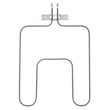
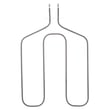
If you are repairing instead of replacing, common service parts for GE JRP03G0J3 include the bake unit wh WB44X200 and broil unit f WB44X173.
Why it matters
Wall ovens are built-in appliances; the purchase price is only part of the total. Planning for installation and fit helps you avoid delays, return issues, and unexpected electrical or carpentry costs.
Last updated: January 2026
How do I reset the error code on my GE oven?
To reset an error code on your GE JRP03G0J3 electric wall oven, start with a hard reset: turn the oven circuit breaker OFF for 5 minutes, then turn it back ON. If the code returns, the control is detecting a real fault (often a sensor, wiring, or heating circuit issue).
Quick reset steps (safe first checks)
- Press Clear/Off (or Cancel) once to stop the beeping and clear a momentary display.
- If the code stays, switch the breaker OFF for 5 minutes.
- Restore power and set the clock if needed.
- Run a short Bake test for 5 to 10 minutes.
- If the same code comes back, move to troubleshooting (below) instead of repeating resets.
What to check if the code comes back
Most recurring error codes point to a condition the control board is still seeing.
- Power supply: A weak or missing leg of 240V can trigger faults; check the breaker is fully seated.
- Loose or damaged wiring: Look for overheated terminals, pinched wires, or brittle insulation.
- Heating circuit issues: A failing bake or broil element can cause abnormal heat-up behavior.
- Oven temperature sensing: A bad sensor circuit can trigger temperature-related codes.
- Control/timer problems: If functions act erratically, the electronic control or timer may be involved.
Common symptom-to-part map
| What you notice | What it often points to | Example part for this model |
|---|---|---|
| No heat in Bake, Broil works | Bake heating circuit | Bake unit wh WB44X200 |
| No heat in Broil, Bake works | Broil heating circuit | Broil unit f WB44X173 |
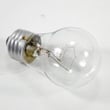
| Oven light out (not an error, but common) | Bulb or socket | Bulb 40A15 or receptacle WB08T10026 |
Why it matters
Resetting clears temporary control glitches after a power surge, but a repeating code protects your oven from overheating, underheating, or unsafe electrical conditions. Fixing the underlying cause prevents repeat shutdowns and uneven cooking.
Helpful DIY resource
If you plan to test circuits, use a meter correctly and safely: how to use a multimeter to test electrical parts video.
Last updated: January 2026
Why is my electric wall oven not working?
If your GE JRP03G0J3 electric wall oven is completely dead or not heating, the most common causes are a power supply problem (tripped breaker, loose wiring), a failed heating element, or a failed control/timer circuit. Start with power checks, then test the bake and broil circuits.
Quick checks first (no parts removed)
- Reset the double-pole oven breaker fully OFF, then ON (many wall ovens use a 240V, 2-breaker handle).
- Confirm the display, clock, or indicator lights come on.
- Try Bake and Broil separately; one working and the other not usually points to a single element.
- Check for a burnt smell, popping sound, or visible arcing (stop and shut power off if you see this).
- If the oven light does not work, test the bulb and socket (it helps confirm power and wiring condition).
What to test (most common failed parts)
If power is good but the oven will not heat, we focus on the heating elements and their connections.
- Bake not heating: inspect and ohm-test the bake unit wh WB44X200.
- Broil not heating: inspect and ohm-test the broil unit f WB44X173.
- Oven light out: replace the bulb 40A15 and inspect the receptacle WB08T10026 for heat damage.
Symptom-to-likely-cause table
| Symptom | Most likely cause | What to do next |
|---|---|---|
| Completely dead (no clock/display) | Breaker, wiring, terminal connection | Verify 240V supply at junction box; inspect wiring for heat damage |
| Has power but no heat on Bake | Failed bake element | Inspect for blisters/cracks; ohm-test element |
| Has power but no heat on Broil | Failed broil element | Inspect; ohm-test element |
| Intermittent operation or wrong timing | Control/timer issue | Inspect wiring; consider timer WB19X10006 if symptoms match |
Why it matters
A wall oven can appear “not working” from a single open heating element, but a true no-power condition is usually a supply or connection issue. Separating “no power” from “no heat” prevents unnecessary part replacement and speeds up the repair.
Safety notes for DIY troubleshooting
- Shut off the oven breaker before removing panels or touching wiring.
- Use a meter rated for household voltage when checking power.
- If you find melted wiring or a scorched connector, repair the wiring before installing new parts.
Last updated: January 2026