
Is 30 minutes on the elliptical better than walking?
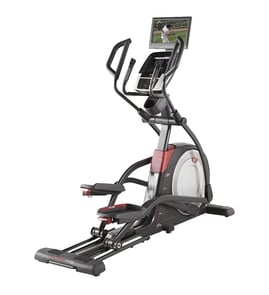
For most people, 30 minutes on a Horizon CSE2 elliptical machine is “better” than walking when your goal is higher calorie burn with lower joint impact; walking is often “better” for bone-loading impact and simple, everyday functional fitness. The right choice depends on your knees/hips and your training goal.
Quick comparison (30 minutes)
| Goal | Elliptical | Walking |
|---|---|---|
| Joint comfort | Typically lower impact | Higher impact (varies by surface/shoes) |
| Calorie burn | Often higher at similar effort | Moderate; can rise with hills/incline |
| Muscle focus | More full-body if you use handles | Strong lower-body patterning |
| Convenience | Indoor, consistent | Outdoor options, minimal equipment |
When the elliptical is the better pick
- You want a low-impact cardio session (knees, hips, ankles).
- You want a higher heart-rate workout in less time.
- You want to involve upper body by pushing and pulling the moving handles.
- You want consistent resistance and pace (no weather, no traffic).
- You are cross-training and want to reduce pounding between runs.
When walking is the better pick
- You want more weight-bearing impact to support bone density.
- You are building a daily habit and want the simplest option.
- You want balance, gait, and “real-world” movement practice.
- You prefer outdoor time and varied terrain.
- You are easing back into exercise and want a very controllable intensity.
How to choose for your goal
- Fat loss and conditioning: pick the one you can do consistently; use intervals (hard 1 minute, easy 2 minutes) on either.
- Joint-friendly cardio: choose the elliptical; keep posture tall and avoid leaning on the handles.
- General health: mix both across the week to vary stress on joints and muscles.
Why it matters
“Better” is the workout you can repeat safely. Elliptical training usually lets you push intensity with less impact, while walking adds practical movement and weight-bearing benefits that many people miss when they only do low-impact cardio.
For basic safety and DIY readiness before adjusting or servicing fitness equipment, follow are diy appliance repairs safe.
Last updated: January 2026
Is 2 miles on an elliptical equal to running?
2 miles on a Horizon CSE2 elliptical machine is not the same as running 2 miles because the time, resistance, and impact are different; a better comparison is matching effort and duration (for example, 30 minutes at a challenging pace on each).
The best way to compare elliptical vs running
Distance on an elliptical is a console estimate, not a true “miles traveled” measurement. For a fair comparison, we recommend using intensity-based metrics.
- Match time first (example: 20 to 40 minutes)
- Match effort using perceived exertion (you should be breathing hard but still in control)
- Match heart rate if you track it
- Use resistance and incline (if equipped) to make the workout challenging
- Compare calories burned as a rough check (it varies by body size and settings)
Quick comparison table
| Metric | Elliptical workout | Running workout |
|---|---|---|
| Impact on joints | Low impact | Higher impact |
| “2 miles” meaning | Console estimate based on cadence and settings | Actual distance traveled |
| Best apples-to-apples match | Time + intensity | Time + intensity |
| Muscle emphasis | More glutes and quads with resistance | More calves and impact-related loading |
Why it matters
If you use “2 miles” as the goal on the CSE2, you might under-train or over-train compared to a 2-mile run. Matching time and intensity helps you get consistent cardio benefits while choosing the joint impact level that fits your needs.
Practical tips for a run-equivalent session
- Warm up 5 minutes at easy resistance
- Do 20 to 30 minutes at a steady, challenging pace
- Add short intervals (1 to 2 minutes harder, 1 to 2 minutes easier)
- Cool down 3 to 5 minutes
- Track progress by time, resistance level, and heart rate trends
For more help confirming you have the correct equipment information when shopping for maintenance items, use how to find your appliance model number (and what it means for parts).
Last updated: January 2026
What are common problems with ellipticals?
Common problems on ellipticals like the Horizon CSE2 usually fall into three buckets: noise (squeaks, clicks, grinding), resistance issues (too hard, too easy, or inconsistent), and console or button problems (unresponsive keys). Most are caused by wear, loosened hardware, or wiring connections.
Most common symptoms (and what they usually mean)
- Squeaking or creaking: dry pivot points, worn bushings, or loose pedal arm bolts
- Clicking once per revolution: loose crank hardware, pedal threads, or a worn roller
- Grinding or rubbing: misaligned drive belt, worn bearings, or debris near the flywheel
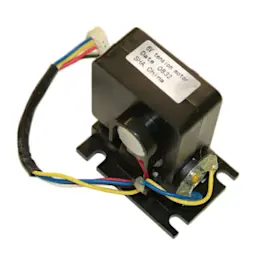
- Resistance stuck high/low: resistance motor issue, magnet gap problem, or console signal problem
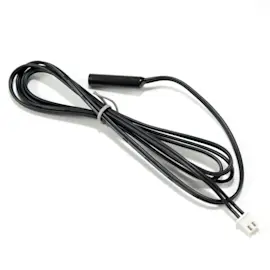
- Resistance surges: slipping belt, failing speed sensor, or intermittent wiring
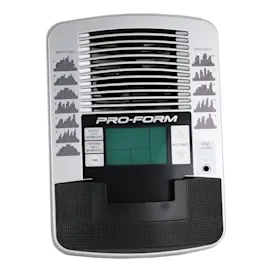
- Buttons not responding: keypad/console wear, ribbon cable connection, or damaged harness
Quick checks we recommend first (safe, no special tools)
- Stabilize the frame: level the machine so it does not rock.
- Tighten common fasteners: check pedal arms, crank bolts, and frame joints.
- Inspect moving joints: look for side-to-side play at pivots and rollers.
- Listen for location: pedal area vs. rear roller track vs. flywheel area.
- Power reset (if powered): unplug for 2 minutes, then restart and retest.
Troubleshooting guide by symptom
| Symptom | Most likely cause | Best next step |
|---|---|---|
| Squeak/creak | Dry pivots or loose hardware | Tighten bolts; lubricate pivot points (per manufacturer guidance) |
| Clicking | Loose crank/pedal hardware | Re-torque crank and pedal fasteners |
| Hard to pedal at low resistance | Belt tension/misalignment, bearing drag | Inspect belt path; check for rough bearings |
| No resistance change | Resistance motor/sensor/wiring | Check wiring connections; test components with a meter |
| Console buttons dead | Keypad/console connection | Reseat console cable; inspect harness for pinched wires |
Why it matters
Noise and resistance problems usually get worse with use. Catching a loose crank bolt, worn roller, or damaged wire early helps prevent secondary damage to the drive system and keeps workouts smooth and safe.
Helpful DIY resources
- How to use a multimeter to test electrical parts video
- How to repair broken or damaged wires video
- Are diy appliance repairs safe
Last updated: January 2026
Is an elliptical good for a 70 year old woman?
Yes. A Horizon CSE2 elliptical machine can be a great option for a 70-year-old woman because it delivers a low-impact cardio workout that is typically easier on hips, knees, and ankles than jogging, while still improving endurance and leg strength when used at a comfortable pace.
How to use an elliptical safely (senior-friendly setup)
- Start with 5 to 10 minutes at very low resistance and a slow stride.
- Hold the stationary grips first; add moving handles only after balance feels steady.
- Keep posture tall, shoulders relaxed, and feet fully planted on the pedals.
- Increase time before intensity (add 2 to 5 minutes per week, then add resistance).
- Stop if there is chest pain, dizziness, or sharp joint pain.
What to look for when choosing intensity
A simple “talk test” keeps workouts safe and effective.
| Effort level | What it feels like | Good for |
|---|---|---|
| Easy | Can talk in full sentences | Warmups, recovery, arthritis-friendly movement |
| Moderate | Can talk, but need pauses | Most cardio sessions (heart health) |
| Hard | Only a few words at a time | Short intervals if approved by a clinician |
When an elliptical is a better choice than walking
- Knee or hip arthritis that flares with impact
- Need for stable, predictable indoor exercise (weather-proof)
- Desire for a longer stride motion without pavement pounding
- Preference for adjustable resistance to match daily energy levels
Why it matters
Consistent low-impact movement supports cardiovascular health, leg strength, and daily mobility. For many older adults, an elliptical helps maintain fitness with less joint stress than higher-impact workouts.
For general safety and DIY guidance that applies to fitness equipment maintenance and basic checks, see are diy appliance repairs safe.
Last updated: January 2026