 Installation guide
 Owner’s manual
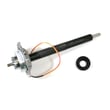




Does a GE washer have a filter that needs to be cleaned?
Yes. For the GE GTWN3000M1WS top-load washer, there is no routine, customer-cleanable “filter” like many front-load models; instead, we focus on preventing drain clogs by checking the drain path and pump area when symptoms show up (slow drain, standing water, odors). See the GTWN3000M1WS installation guide for drain setup basics.
What to do on this model (GTWN3000M1WS)
If you suspect lint, coins, or debris are causing a drain problem, these checks solve most issues:
- Unplug the washer before inspecting any internal components.
- Confirm the drain hose is installed correctly and not kinked or crushed.
- Verify the standpipe or laundry tub drain is not backing up.
- If the washer will not drain or drains slowly, inspect the pump and hoses for obstructions.
- If the washer will not spin and the lid is closed, test the lid switch circuit.
Quick symptom guide
| Symptom | Most likely area to check | Common related part |
|---|---|---|
| Won’t drain or drains slowly | Drain hose, pump inlet, household drain | Washer drain pump assembly WH23X10030 |
| Stops mid-cycle, won’t spin | Lid switch, wiring, timer | Washer lid switch assembly WH12X10334 |
| Odor or residue | Detergent use, water temp, tub cleaning routine | Cleaning and usage steps |
Drain hose and standpipe requirements (why they matter)
A “filter problem” is often a drain installation problem. For this GE top-load platform, the drain connection needs the right height and an open standpipe so the washer can pump out water reliably.
- Drain discharge height: not less than 30 inches
- Maximum drain height: 8 feet above the base of the washer
- Standpipe inside diameter: 1-1/2 inches minimum
- Standpipe must be open to atmosphere
Why it matters
When the drain path is restricted, the washer can leave water in the tub, cause poor rinsing, and create odors. Keeping the drain hose correctly installed and the pump path clear prevents most “filter” complaints on top-load washers.
Last updated: February 2026
Why is my GE front load washer leaking from the door?
On the GE GTWN3000M1WS, water at the front is usually caused by a door or lid not closing tightly, oversudsing, or a drain or fill issue that makes water splash or back up. Start by confirming the washer is level and using the correct detergent amount.
Quick checks we recommend first
- Make sure the washer is level; an out-of-level cabinet can let water slosh toward the front.
- Reduce suds: use HE detergent and cut the dose if you see lots of foam.
- Check the load size; overloading can push items against the opening and cause splash-out.
- Verify the drain setup: the standpipe must be at least 30 inches high and no more than 8 feet above the washer base.
- Confirm the drain hose is secured at the rear drain opening and clamped correctly.
For model-specific installation requirements (including drain height and clearances), follow the installation guide.
If the leak is actually from the top/front edge
This model is a top-load design, so customers often describe a “door leak” when the leak is really from the lid area or from water splashing over the tub ring.
Common causes:
- Lid not fully closing or misaligned
- Worn or failing lid switch that prevents proper operation and can lead to odd fill or agitation behavior
- Excessive water level or oversudsing causing splash-out
If the lid is not latching consistently, replacing the washer lid switch assembly WH12X10334 is a common fix.
Parts that commonly relate to leaks
| Symptom you see | Most likely area | Example part on this model |
|---|---|---|
| Water on floor near front during agitation/spin | Splash-out, leveling, oversuds | Lid closure checks, leveling steps in guide |
| Water under washer, worse during drain | Drain pump or drain hose connection | Washer drain pump assembly WH23X10030 |
| Water from center/bottom, ongoing seep | Tub seal or bearing area | Washer tub seal WH02X10383, tub bearing WH2X1198 |
Why it matters
A small leak can quickly damage flooring and can also lead to corrosion around the washer base and suspension. Fixing the root cause (leveling, suds control, or a worn component) prevents repeat leaks.
Last updated: February 2026
How to tell if GE washer drain pump is bad?
On the GE GTWN3000M1WS washer, a bad drain pump shows up as water left in the tub, little or no water coming out of the drain hose during drain, loud humming or grinding, or leaking under the washer. We rule out a clog and an incorrect drain setup first.
Fast checks before blaming the pump
- Unplug the washer.
- Check the drain hose for kinks, crushing, or a blockage.
- Verify the standpipe or laundry tub is set up correctly; the drain discharge height must be at least 30 inches and no more than 8 feet above the washer base (per the installation guide).
- Look for debris (coins, socks, lint) at the pump inlet hose and pump housing.
How we confirm the drain pump is the problem
If the drain path is clear and the washer still will not drain:
- Start a drain or spin portion of a cycle and listen.
- A steady hum with little or no water flow points to a jammed or damaged impeller.
- No pump sound points to a failed pump motor or a control issue that is preventing power from reaching the pump.
| What you notice | Most likely cause | Next step |
|---|---|---|
| Hums, no drain | Jammed or broken impeller | Clear debris; replace pump if damaged |
| No sound, no drain | Failed pump motor or no power to pump | Check lid switch, timer, wiring; test pump |
| Drains slowly | Partial blockage or weak pump | Inspect hoses and pump; replace if worn |
| Leaks while draining | Cracked pump housing or loose clamps | Tighten clamps; replace pump if cracked |
Parts that commonly relate to a no-drain complaint
- Replace the pump with the washer drain pump assembly WH23X10030 when the impeller is damaged, the pump leaks, or the motor will not run when powered.
- If the washer will not enter spin (and therefore may not drain properly), check the washer lid switch assembly WH12X10334.
Why it matters
A washer that cannot drain leaves clothes soaking wet, can stop mid-cycle, and can cause leaks if water backs up. Checking the drain height and clearing clogs prevents unnecessary part replacement.
Last updated: February 2026


