 Owner’s manual
 Error Codes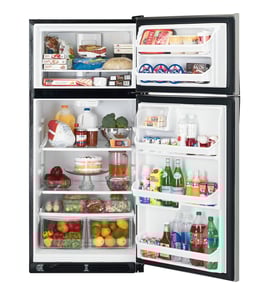



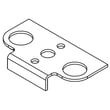
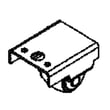
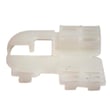
Can you still get parts for Kenmore refrigerators?
Yes. We still help you get replacement parts for Kenmore refrigerators, including the Kenmore 11169332810 top-mount refrigerator. The fastest way is to match parts by your exact model number so the component fits and works correctly; use the parts list and diagrams along with the owner's manual.
How to find the right Kenmore refrigerator part
Use your model number first, then narrow by the symptom or the part location.
- Confirm the full model number on the rating label (use 11169332810 for this unit)
- Use the parts diagrams to identify the exact component (shelf, bin, gasket, fan, control)
- Compare your original part’s markings and mounting style before ordering
- If your refrigerator has an optional ice maker, match parts to the ice maker kit used on your unit
- For water and ice issues, verify your home water pressure is within the typical range for refrigerators (many need roughly 30 to 120 psi)
Common parts customers replace (and what they affect)
| Part type | What it fixes | Common signs you need it |
|---|---|---|
| Door gasket (door seal) | Warm temps, frost, sweating | Gaps, torn seal, door not closing firmly |
| Evaporator fan motor | Poor cooling, warm fridge section | No airflow, unusual fan noise |
| Water filter (if equipped) | Bad taste, slow dispensing | Reduced flow, filter overdue |
| Water inlet valve (if equipped) | No ice, no water | Humming, no fill, intermittent fill |
Why it matters
Kenmore uses multiple designs across model families, so “looks similar” parts often do not fit. Matching by 11169332810 helps you avoid returns and restores proper cooling, airflow, and door sealing.
Safety note for service
Your refrigerator’s documentation includes important safety warnings, including cautions about flammable refrigerant and avoiding puncturing refrigerant tubing. Follow the safety guidance in the owner's manual before attempting any repair.
Last updated: February 2026
How to tell what model Kenmore refrigerator?
You can identify your Kenmore refrigerator model by finding the model and serial tag, then matching the model number format to your unit. For Kenmore model 11169332810, the exact model number is printed on the rating label; confirm it against the owner's manual.
Where to look for the model number tag
Check these common locations on Kenmore top-mount refrigerators:
- Inside the fresh food compartment on a side wall (often near the crisper area)
- On the inside wall of the freezer compartment
- On the door frame (fresh food door) near the gasket
- Behind the lower crisper drawers on the back wall
- Behind the toe grille or kick plate at the bottom front
How to read the label correctly
Model tags can be easy to misread. Use these tips:
- Copy the model number exactly as printed (letters, numbers, and punctuation)
- Look for a line labeled Model, Model No., or similar
- Record the serial number too; it helps confirm production details
- Take a clear photo of the label before ordering parts
What the model number tells you (and why it matters)
The model number is what we use to pull the correct parts diagrams, part lists, and service-safe procedures for your exact refrigerator.
| What you’re doing | Why the exact model matters |
|---|---|
| Ordering a door bin, shelf, or gasket | Mounting points and sizes vary by model |
| Troubleshooting cooling or ice maker issues | Wiring and control styles differ |
| Looking up error codes | Code meanings depend on model family |
Helpful next step for Kenmore 111 models
If your display shows an error code or you suspect an electronic fault, use our model-family guide: Kenmore 111 model top freezer refrigerator error codes.
Safety note before servicing
Your refrigerator uses a flammable refrigerant (R600a). Avoid puncturing refrigerant tubing and do not use mechanical devices to speed defrosting; follow the safety guidance in the owner's manual.
Last updated: February 2026
What is the top part of a refrigerator called?
In a Kenmore top-mount refrigerator like model 11169332810, the top compartment is the freezer compartment (often just called the freezer). It’s the section designed to keep foods frozen and, on some versions, it can support an optional ice maker.
What the “top part” includes
The freezer compartment is more than just a cold box; it typically includes several components that affect freezing performance and door sealing.
- Freezer door and door gasket (helps prevent warm air leaks)
- Freezer shelves or bins (storage and airflow spacing)
- Temperature control area (varies by design)
- Evaporator area behind the rear panel (circulates cold air)
- Ice maker area (only if your unit is equipped or you add the optional kit)
Freezer vs. refrigerator: quick comparison
| Compartment | Typical purpose | Typical temperature target |
|---|---|---|
| Freezer (top) | Long-term frozen storage, ice production | 0°F |
| Fresh food (bottom) | Everyday refrigerated foods | 37°F to 40°F |
Why it matters
When customers say “the top part,” they often mean the freezer door, freezer gasket, or airflow issues that cause soft ice cream or frost buildup. Knowing it’s the freezer compartment helps you troubleshoot the right area first.
Helpful next steps for Kenmore 11169332810 owners
- Confirm your temperature settings and targets in the owner's manual.
- Keep packages from blocking vents between the freezer and fresh food section.
- If you see frost or moisture, inspect the door seal and make sure the door closes squarely.
- If your display shows a code, use Kenmore 111 model top freezer refrigerator error codes to narrow the cause.
Last updated: February 2026
What are the common problems with Kenmore 11169332810 refrigerators?
Common problems we see with the Kenmore 11169332810 top-mount refrigerator are warm temperatures (poor cooling), frost or ice buildup that blocks airflow, unusual fan noises, and water leaking inside or under the unit. Many of these trace back to airflow, defrost, or door-seal issues; use the owner's manual for model-specific checks and settings.
Most common symptoms and what they usually mean
- Refrigerator warm, freezer OK: restricted airflow, evaporator fan issue, or heavy frost on the evaporator
- Both sections warm: dirty condenser coils, condenser fan problem, or sealed-system/compressor issue
- Frost buildup on back wall/freezer: defrost heater, defrost sensor/thermostat, or control problem
- Loud humming, rattling, or clicking: fan blade hitting ice, worn fan motor, or items vibrating on shelves
- Water puddles or dripping: clogged/iced defrost drain, door left ajar, or ice buildup melting during defrost
Quick checks we recommend before replacing parts
- Confirm temperatures: set freezer near 0°F and fresh food near 37°F (typical targets).
- Check door sealing: close a dollar bill in the gasket; it should resist pulling out all around.
- Look for frost patterns: heavy frost suggests a defrost or door-seal problem.
- Clean airflow paths: keep vents inside the refrigerator and freezer unblocked.
- Clean condenser area: remove dust from coils and the condenser fan area (unplug first).
Common causes at a glance
| Symptom | Most likely area | What to look for |
|---|---|---|
| Warm temps | Airflow/fans | Weak or noisy evaporator fan, blocked vents |
| Frost buildup | Defrost system | Ice on evaporator cover, recurring ice after manual thaw |
| Leaking water | Drain system | Water under crisper, ice in drain trough |
| Noise | Fans/ice contact | Fan hitting ice, vibration from items or panels |
Why it matters
Cooling and defrost problems often snowball: frost blocks airflow, temperatures rise, and the refrigerator runs longer. Catching a door-seal gap, dirty coils, or a clogged drain early helps protect food and reduces strain on the compressor.
Safety note for this model
Your 11169332810 uses R600a (flammable) refrigerant. We recommend leaving sealed-system and refrigerant repairs to trained service personnel; avoid puncturing any tubing and do not use mechanical devices to speed up defrosting.
For display diagnostics and fault codes used on Kenmore 111 top-freezer models, use our Kenmore 111 model top freezer refrigerator error codes guide.
Last updated: February 2026
What is the average lifespan of a Kenmore 11169332810 refrigerator?
A Kenmore 11169332810 top-mount refrigerator typically lasts 10 to 15 years with normal household use. Keeping the condenser area clean, maintaining good door seals, and fixing airflow or defrost issues early are the biggest factors that help this model reach the upper end of that range.
Typical lifespan and what affects it
Most refrigerators in this class land in the 10 to 15 year window. The difference between 10 years and 15 years usually comes down to heat management, door sealing, and how hard the unit has to work.
- Condenser cleanliness: dust buildup makes the compressor run hotter and longer
- Door gasket condition: air leaks cause longer run times and frost issues
- Airflow: blocked vents or overpacked shelves reduce cooling efficiency
- Defrost performance: heavy frost can choke airflow and warm the fresh food section
- Room conditions: hot garages or tight built-ins shorten life by increasing run time
Quick “repair vs. replace” guide
If your Kenmore 11169332810 is aging, these checkpoints help you decide what makes sense.
| If you notice this | What it usually means | Practical next step |
|---|---|---|
| Temps drift warm, then recover | Airflow restriction or early fan/defrost issue | Check vents, frost pattern, and fan noise |
| Heavy frost on freezer back wall | Defrost system problem | Follow the defrost checks in the owner's manual |
| Doors not sealing, moisture on shelves | Gasket or alignment issue | Inspect gasket contact and level the cabinet |
| Loud buzzing/clicking with poor cooling | Compressor start or sealed-system stress | Stop use if overheating; schedule service |
Maintenance that extends life (high impact)
These are the habits that most consistently add years to a top-mount refrigerator.
- Vacuum dust from the condenser area regularly (frequency depends on pets and dust)
- Keep freezer and fresh food vents clear of packages
- Set stable temps (avoid frequent dial changes)
- Clean and inspect door gaskets; replace if torn or hardened
- If your unit has filtration, replace it on schedule (see how to replace the water filter in a Kenmore refrigerator)
Why it matters
A refrigerator that runs longer cycles to maintain temperature uses more energy and puts extra wear on the compressor, fans, and defrost components. Simple airflow and sealing checks often prevent the “warm fridge, cold freezer” pattern that leads to expensive repairs.
Last updated: February 2026





