
How to switch shop vac from dry to wet?
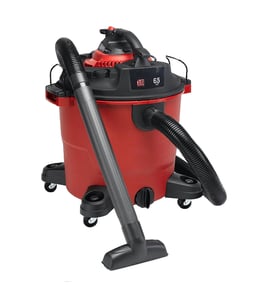
For the Shop-Vac QMH45A wet/dry vacuum, switching from dry pickup to wet pickup usually means changing the filter setup and confirming the tank is configured for liquids. In most cases, you do not “convert” the motor; you remove the dry filter and use the correct wet-pickup configuration so water does not soak the dry filter.
What to change for wet pickup
- Unplug the vacuum before changing any filter or internal parts.
- Remove the paper cartridge filter or cloth filter used for dry debris.
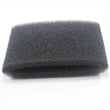
- Install the wet-pickup foam sleeve filter if your unit uses one (common on many Shop-Vac wet/dry models).
- Make sure the float or shutoff mechanism inside the power head moves freely (it stops suction when the tank is full).
- Empty the tank and clean out dry dust before picking up water; wet dust turns into sludge and can clog the inlet.
Quick checklist: dry vs. wet setup
| Setup item | Dry pickup | Wet pickup |
|---|---|---|
| Main filter | Cartridge or cloth filter | Foam sleeve (or no dry cartridge) |
| Tank condition | Clean, dry is fine | Empty, clean, ready for liquids |
| Shutoff/float | Still required | Critical; verify it moves freely |
| Typical use | Sawdust, dirt, debris | Spills, water pickup |
Why it matters
Using a dry cartridge filter for wet pickup can saturate the filter, reduce airflow, and push dirty water into places it should not go. Setting the filter and float correctly protects suction performance and helps prevent messes inside the power head.
If you are not sure which filter your QMH45A uses
Use the model number QMH45A to match the correct filter style and accessories before you run wet pickup. Our guide on how to find your appliance model number (and what it means for parts) helps you confirm you are shopping the right diagram and parts list.
Last updated: February 2026
How do I know if my shop vac is wet and dry?
A wet/dry shop vacuum like the Shop-Vac QMH45A is designed to pick up both dry debris (dust, sawdust) and liquids; there usually is not a separate “wet” or “dry” switch. What matters is using the correct filter setup and collection method for what you are vacuuming.
Quick checks that confirm wet/dry capability
- The tank is a rigid canister (not a cloth bag-only design) meant to hold liquid.
- The motor head sits above the tank so liquid stays in the canister.
- You can remove the dry filter for liquid pickup (common wet/dry vac design).
- The hose and attachments are sized for debris and small liquid pickup.
- The unit is marketed and labeled as “wet/dry” (your model name includes it).
Use the right setup for wet pickup vs. dry pickup
| Pickup type | Typical setup | What to avoid |
|---|---|---|
| Dry debris | Dry filter installed; empty tank as needed | Running without a filter for fine dust (can clog or damage the motor) |
| Liquids | Remove dry filter; use a foam sleeve filter if your vac uses one; empty tank promptly | Vacuuming liquids with a paper or cartridge dry filter installed |
Why it matters
Using the correct wet/dry configuration helps protect the motor, prevents clogged filtration, and improves suction. Most “it won’t pick up” complaints come from a saturated filter, a blocked hose, or a full tank.
If you are unsure which filter to use
- Unplug the vacuum before changing filters or checking inside the tank.
- For wet pickup, start with an empty tank and remove the dry filter.
- After wet pickup, dry the tank and reinstall the dry filter before vacuuming dust.
- If suction is weak, check for hose clogs and lid gasket leaks.
For help confirming the exact model identification on the label, use how to find your appliance model number (and what it means for parts).
Last updated: February 2026
Are vacuum cleaner attachments universal?
No. Vacuum attachments are not truly universal because hose and wand connection sizes vary by brand and by model, including the Shop-Vac QMH45A wet/dry vacuum. Many “universal” kits fit several common diameters using adapters, but they still will not fit every vacuum.
What “universal” usually means for a shop vacuum
Most universal attachment kits are designed around a few common shop vac and household vacuum sizes, then rely on step-down adapters or friction-fit cuffs.
Common connection styles you will see:
- Friction-fit (push-on) cuffs that rely on a snug diameter match
- Tapered adapters that fit multiple sizes
- Locking or proprietary ends (less common on shop vacs, more common on some modern vacuums)
How to check fit before you buy
Measure first; it prevents air leaks, poor pickup, and cracked cuffs from forcing the wrong size.
Use this quick checklist:
- Measure the outside diameter of the vacuum’s inlet port or wand end
- Measure the inside diameter of the hose cuff that will slide over it
- Confirm whether your connection is 1-1/4 inch, 1-7/8 inch, or 2-1/2 inch (common shop vac sizes)
- Look for a kit that includes reducers/adapters covering your measured size
- Avoid “universal” kits that list sizes but do not match your measurement range
Quick size guide (typical shop vac ranges)
| Connection size (nominal) | Typical use | What happens if it’s wrong |
|---|---|---|
| 1-1/4 inch | Detail tools, small hoses | Loose fit, whistles, weak suction |
| 1-7/8 inch | Mid-size hoses/tools | Hard to seal, may pop off |
| 2-1/2 inch | High airflow shop vac hoses | Won’t fit, or cracks if forced |
Why it matters
A correct-fitting crevice tool, floor nozzle, or brush keeps airflow high and prevents leaks. That means better pickup, less clogging, and less strain on the motor from restricted airflow.
For help confirming the exact model number on your vacuum before ordering accessories, use how to find your appliance model number (and what it means for parts).
Last updated: February 2026
What should you not vacuum with a wet dry vac?
For the Shop-Vac QMH45A wet/dry vacuum, do not vacuum anything hot, burning, explosive, or ultra-fine dust that can pass through filters. These materials can damage the motor, clog the filter, or create a serious safety hazard.
Materials to avoid (and why)
- Hot ash, coals, or cigarettes: heat can melt hoses, warp the tank, and damage the motor.
- Fireplace ash or soot (fine powder): ultra-fine dust can blow through filters and overload the motor.
- Drywall dust, concrete dust, or plaster dust: very fine and abrasive; quickly clogs filters and can shorten motor life.
- Flammable liquids (gasoline, solvents, paint thinner): vapor ignition risk and damage to seals.
- Reactive chemicals (bleach, acids, ammonia mixes): can corrode components and create dangerous fumes.
- Large sharp debris (big glass shards, jagged metal): can puncture the hose or tank and cut seals.
Quick “OK vs not OK” guide
| Material | Use QMH45A wet pickup? | Use QMH45A dry pickup? |
|---|---|---|
| Water (small spills) | Yes | No |
| Sawdust/wood chips | No | Yes |
| Drywall dust | No | No |
| Fireplace ash (cold) | No | No |
| Broken glass (small pieces) | No | Yes (carefully) |
| Gasoline/solvents | No | No |
Best practices when switching between wet and dry
- Empty the tank before changing modes.
- Use the correct filter setup for wet vs dry pickup.
- For wet pickup, stop before the tank overfills.
- For dry pickup, clean or replace the filter when suction drops.
- If you accidentally vacuum fine dust, shut off and clean the filter and tank right away.
Why it matters
Wet/dry vacuums like the Shop-Vac QMH45A rely on airflow to cool the motor. Hot debris, flammable vapors, and fine powders can block airflow, damage internal components, and create unsafe conditions.
For general DIY safety and prep before troubleshooting electrical issues, follow are diy appliance repairs safe.
Last updated: February 2026