


What is the typical lifespan of a gas snowblower?
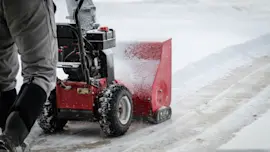
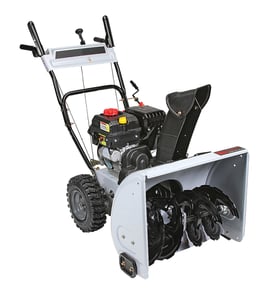
A gas snowblower typically lasts 10 to 20 years with normal residential use and consistent maintenance. For a Snapper I5223 snow thrower, routine oil changes, belt and friction-drive checks, and off-season storage habits are what most often determine whether it lands closer to 10 years or closer to 20.
Typical lifespan range (what to expect)
Most gas snowblowers fall into these practical ranges:
- 10 to 20 years: common lifespan with regular maintenance
- 8 to 10 years: more likely with heavy use, poor storage, or skipped maintenance
- 15 to 20 years: more likely with careful upkeep and timely replacement of wear items
| Usage and care level | What usually happens | Typical outcome |
|---|---|---|
| Light use + good maintenance | Wear parts replaced before they fail | Longer lifespan |
| Average use + basic maintenance | Occasional repairs, normal wear | Typical lifespan |
| Heavy use + minimal maintenance | Frequent breakdowns, corrosion, drive issues | Shorter lifespan |
Maintenance that extends life the most
These steps prevent the most common “end-of-life” failures (engine wear, drive problems, corrosion, and belt damage):
- Change engine oil on schedule; check level before each season
- Use fresh fuel and stabilize fuel for storage
- Inspect and replace worn belts, skid shoes, and scraper bar as needed
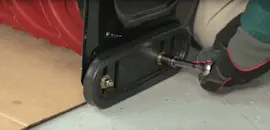
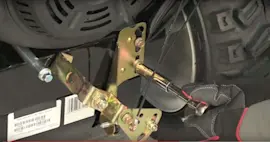
- Lubricate key moving points (auger shaft, wheels, and drive hex shaft)
- Keep the chute and auger housing clean and dry after use
- Store indoors or under a breathable cover to reduce rust and cable corrosion
Helpful DIY guidance:
- How to change snowblower oil video
- How to replace a snowblower belt video
- How to make your snowblower last longer
When replacement makes more sense than repair
We typically see owners move on from an older gas snowblower when one or more of these are true:
- Repair cost is more than about half the snowblower’s current value
- The engine has persistent starting or compression problems
- The drive system slips even after adjustment (friction wheel, cable, or belt issues)
- Rust damage affects the auger housing, chute, or key fasteners
- It no longer throws snow effectively even with correct skid shoe and scraper settings
Why it matters
A snowblower’s lifespan is mostly a maintenance story. Oil quality, fuel storage, lubrication, and replacing wear parts early help your Snapper I5223 stay reliable during the coldest starts and heaviest snow loads.
Last updated: February 2026
What are common gas snow blower problems?
Common problems on a Snapper I5223 gas snowblower are no-start or hard-start conditions, weak or no snow discharge, rough running, and drive issues (won’t move or slips). Most of these trace back to fuel quality, ignition, belt wear, or packed snow and debris.
Most common symptoms and likely causes
- Won’t start / hard to start: stale gas, fouled spark plug, clogged carburetor jet, water in fuel, ignition switch or safety key issue
- Starts then dies / surges: restricted fuel flow, dirty carburetor, partially blocked gas cap vent, choke not opening fully
- Runs rough / lacks power: dirty spark plug, incorrect choke setting, ice or debris restricting airflow, old fuel
- Auger turns but doesn’t throw well: clogged chute, worn or loose auger/impeller belt, shear pin(s) broken
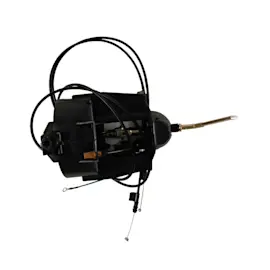
- Won’t move / drive slips: worn drive belt, worn friction disc, drive cable out of adjustment, ice buildup in the drive area
- Chute won’t rotate or won’t stay set: chute control rod out of adjustment, packed snow/ice in the chute ring
Quick checks we recommend (in order)
- Fuel: drain old fuel and refill with fresh gasoline; if it sat all off-season, treat fuel before storage next time.
- Spark plug: remove, inspect, clean or replace if fouled; confirm the plug wire is firmly seated.
- Chute and auger housing: shut the engine off and clear packed snow; never use hands near the auger.
- Belts and cables: look for glazing, cracking, slack, or a cable that does not fully engage the drive or auger.
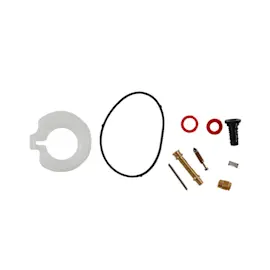
- Carburetor: if it only runs on choke or surges, plan on cleaning the carburetor and checking fuel flow.
Troubleshooting guide by symptom
| Symptom | Most likely area | What to do first |
|---|---|---|
| Won’t start | Fuel, spark | Fresh gas, check spark plug |
| Weak throwing | Chute, belt, shear pins | Clear chute, inspect belt tension |
| Won’t move | Drive system | Check drive engagement and belt |
| Chute won’t aim | Chute linkage | Adjust chute control rod |
Why it matters
Catching belt wear, shear pin failures, and fuel problems early prevents bigger issues like drive damage, carburetor varnish buildup, and poor snow-throwing performance when you need the machine most.
Helpful DIY videos for these issues
- How to check a snowblower spark plug video
- How to replace a snowblower belt video
- How to adjust a snowblower chute control rod video
Last updated: February 2026
Is a 2 stage or 3 stage snowblower better?
A 2-stage snowblower is the better choice for most homeowners because it handles typical driveway snowfalls efficiently with fewer moving parts and lower cost; a 3-stage is better when you regularly face deep, icy, end-of-driveway plow piles and want faster, more aggressive snow processing.
Quick comparison: 2-stage vs 3-stage
| Feature | 2-stage snowblower | 3-stage snowblower |
|---|---|---|
| Snow handling | Great for most snowfalls, including heavy snow | Best for very deep, packed, or icy snow |
| Clearing speed | Strong | Typically faster in tough conditions |
| Complexity | Fewer components | More components to maintain |
| Cost | Usually lower | Usually higher |
| Best fit | Most driveways and sidewalks | Large areas, frequent plow banks, harsh winters |
How to choose for your Snapper I5223
Even without model-specific performance specs listed here for the Snapper I5223, you can pick the right “stage” by matching the machine to your conditions:
- Average snowfall and depth: 2-stage covers most regions and storm totals.
- End-of-driveway plow berms: 3-stage shines when you constantly hit dense, refrozen piles.
- Surface type: Gravel drives often need careful skid shoe setup; either stage can work when adjusted correctly.
- Storage and handling: 3-stage units are often heavier and take more room.
- Maintenance comfort: More stages usually means more adjustments and wear items over time.
Why it matters
Choosing the right stage affects how often you clog the chute, how quickly you clear, and how hard the machine works. If you buy more machine than you need, you pay more and maintain more; if you buy too little, clearing takes longer and can be frustrating in wet, heavy snow.
Tips to get the most from either type
- Keep the drive system moving smoothly by following how to lubricate a snowblower drive hex shaft video.
- Reduce wheel binding and improve maneuvering with how to lubricate snowblower wheels video.
- Maintain throwing performance by keeping the auger area serviced (especially after wet snow) using how to lubricate a snowblower auger shaft video.
- If you see reduced throwing distance, check common tune-up items with how to check a snowblower spark plug video.
Last updated: February 2026
Which snowblower brand is most reliable?
Brands that are widely regarded as reliable for gas snowblowers include Ariens, Toro, Honda, and Snapper; the most dependable choice is the one with a proven two-stage design, strong parts availability, and maintenance you can keep up with on your Snapper I5223 snow thrower.
What “reliable” means in real use
Reliability is less about a single brand name and more about how the machine holds up to cold starts, wet snow, and heavy end-of-driveway piles.
- Consistent cold starting (fuel system and ignition stay in tune)
- Durable auger and impeller components (less vibration and breakage)
- Strong drive system (friction disc, belts, and hex shaft wear predictably)
- Easy routine service (oil changes, spark plug access, belt access)
- Ongoing parts support for wear items
Quick brand and use-case guide
| Situation | What to prioritize | Why it improves reliability |
|---|---|---|
| Heavy, frequent snow | Two-stage build, robust drivetrain | Handles dense snow with less strain |
| Infrequent use | Easy storage and seasonal prep | Prevents fuel and carburetor issues |
| Mixed conditions | Serviceability and parts access | Faster fixes, less downtime |
How we keep a Snapper I5223 running reliably
Most “unreliable” snowblower complaints come from storage fuel problems, worn belts, or dry moving parts.
- Use fresh fuel; add stabilizer before storage
- Change engine oil at least once per season
- Check the spark plug if starting takes more pulls than usual
- Inspect auger and drive belts for cracking, glazing, or slipping
- Lubricate the drive hex shaft and wheel hubs to prevent binding
A step-by-step maintenance overview is in how to make your snowblower last longer.
Why it matters
A dependable snowblower is one that starts on the first storm and keeps traction and throwing performance consistent; routine maintenance does more for reliability than brand alone.
Last updated: February 2026