


What is the average lifespan of a whirlpool dishwasher?
A Whirlpool dishwasher like model WDT750SAKB0 typically lasts 10 to 12 years. Consistent cleaning, correct detergent use, and fixing small issues early (leaks, poor draining, door not latching) are what most often determine whether you reach the full lifespan.
What affects dishwasher lifespan most
- Water quality and hardness: hard water speeds up mineral buildup in the sump and spray system.
- How often you run it: multiple loads per day adds wear to the pump, motor, and door components.
- Drain performance: slow draining strains the pump and can leave debris behind.
- Door sealing and latching: leaks and misalignment shorten component life.
- Routine maintenance: cleaning filters and spray arms prevents circulation problems.
Quick maintenance checklist (monthly)
- Wipe the door perimeter and check the door seal for nicks or flattening.
- Run a cleaning cycle and remove debris from the bottom area.
- Confirm the lower spray arm spins freely and is not clogged.
- Check under the unit for moisture that could indicate a slow leak.
- Make sure the dishwasher drains quickly at the end of the cycle.
Parts that commonly impact longevity on WDT750SAKB0
If you are seeing symptoms, these model-matched parts are common fixes:
| Symptom | Common cause | Example model-matched part |
|---|---|---|
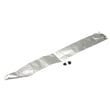
| Leaks at the door | Worn or deformed door gasket | Dishwasher door seal W11664713 |
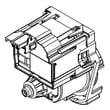
| Won’t start or stops mid-cycle | Door not latching or switch issue | Latch assembly (includes switch) W11412299 |
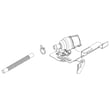
| Not filling or fills slowly | Water inlet valve problem | Fill valve assembly W11434044 |
| Overfilling or fill errors | Float switch sticking or failing | Dishwasher float switch W11545764 |
Why it matters
A dishwasher that is filling correctly, circulating water strongly, and sealing tightly runs cooler and cleaner internally. That reduces strain on the pump assembly, sump seals, and electrical controls, which is what helps you consistently hit the 10 to 12 year lifespan.
Last updated: February 2026
Is the WDT750SAKB0 a good dishwasher?
Yes. The Whirlpool WDT750SAKB0 is a solid, mid-range dishwasher choice for most homes because it is built for strong everyday cleaning and quiet operation; the main tradeoffs are that plastics often dry less completely and some cycles can run longer than expected.
What “good” looks like for this model
A “good” dishwasher is one that cleans consistently, runs reliably, and fits your routine. For the WDT750SAKB0, we see customers typically value:
- Quiet performance (good for open kitchens)
- Strong wash results on normal mixed loads
- Flexible loading with upper and lower racks
- Straightforward serviceability when common wear parts need replacement
Common pros and common tradeoffs
These are the most typical strengths and complaints we see with this Whirlpool platform.
- Pros: good cleaning, low noise, efficient water use
- Tradeoffs: plastics can stay wet, longer normal cycles, rack layout may not fit every oversized item
Quick expectations table
| Category | What to expect | What helps most |
|---|---|---|
| Cleaning | Strong day-to-day cleaning | Load correctly; keep spray paths clear |
| Drying | Plastics may remain damp | Use rinse aid; choose heated dry options |
| Cycle time | Normal cycles can be long | Use 1-hour/quick cycles for light soil |
| Reliability | Good with routine maintenance | Clean filters; address leaks early |
How to get the best results (and avoid “bad dishwasher” symptoms)
If performance feels disappointing, these steps usually make the biggest difference before replacing parts:
- Use rinse aid consistently to improve drying and reduce spotting.
- Avoid blocking the lower spray arm with tall pans or cutting boards.
- Angle cups and plastics so water drains off instead of pooling.
- Run hot water at the sink for 30 to 60 seconds before starting a cycle.
- Clean the tub and filters regularly (monthly is a good routine).
If you’re seeing specific symptoms (won’t start, not draining, error codes), use our Whirlpool troubleshooting content like how to reset a Whirlpool dishwasher to narrow it down quickly.
Why it matters
A dishwasher can seem “not good” when the issue is really loading, water temperature, rinse aid, or a developing part problem (like a weak fill, poor drain, or door not latching). Catching those early protects wash performance and helps prevent leaks.
Last updated: February 2026
What are common problems with the WDT750SAKB0?
Common problems we see with the Whirlpool WDT750SAKB0 dishwasher include leaking, not filling, not draining, poor cleaning, poor drying, and start or door-latch issues. These symptoms usually trace back to water-inlet parts, drain components, door sealing/latching, or wash system circulation.
Most common symptoms and what they usually point to
- Leaking: door seal wear, tub gasket issues, or a loose hose connection
- Won’t fill with water: inlet valve problem, float switch stuck, or low supply flow
- Not draining: drain hose restriction or a drain pump issue
- Not cleaning well: spray arm blockage, sump or pump circulation problems, or loading issues
- Door won’t close or won’t start: latch not engaging or switch not closing
- Not drying: rinse aid settings, cycle selection, or airflow and loading patterns
Quick checks we recommend before replacing parts
- Reset the control and try a normal cycle (power off at the breaker for 1 minute, then restart).
- Check the float inside the tub; it should move freely. A stuck float can stop filling.
- Inspect the drain path: look for kinks or clogs in the hose and at the sink/disposal connection.
- Clean spray arm holes and remove debris from the bottom of the tub.
- Confirm the door closes firmly; if it feels “springy” or won’t latch, focus on the latch and seal.
Parts that commonly solve these problems on WDT750SAKB0
| Symptom | Common part to check | Example part on this model |
|---|---|---|
| Won’t fill / fills slowly | Fill valve or inlet components | Fill valve assembly W11434044 |
| Overfills or won’t fill | Float safety switch | Dishwasher float switch W11545764 |
| Leaks at the door | Door seal | Dishwasher door seal W11664713 |
| Won’t start / door won’t latch | Door latch and switch | Latch assembly (includes switch) W11412299 |
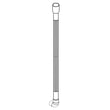
| Not draining | Drain hose (and drain path) | Hose-drain,e W11414944 |
Why it matters
Dishwasher problems often cascade. For example, a small drain restriction can cause standing water, which leads to poor cleaning and odors; a weak fill can cause long cycles and poor wash performance. Fixing the root cause protects the pump, sump, and control from repeat stress.
Helpful DIY guides
- How to reset a Whirlpool dishwasher
- Dishwasher not draining video
- Dishwasher not cleaning dishes video
- Dishwasher not drying dishes video
- Dishwasher wont start video
Last updated: February 2026