




Where to find part number on GE dryer?
On a GE gas dryer like model DSXH43GA1WW, the part number you need is usually found on the appliance’s model/serial tag, not printed on the individual part. On most GE dryers, that tag is located on the inside of the dryer door opening (door frame) or on the inside of the door.
Where to look first (fast checks)
- Open the dryer door and inspect the door frame around the opening
- Check the inside face of the door itself
- Look for a sticker or metal plate labeled Model and Serial
- Write down the full model number (example: DSXH43GA1WW) and serial number
- Use the model number to match the correct diagrams and parts list
What “part number” means (tag vs. part)
The model/serial tag helps us identify the correct parts for your exact dryer configuration. Individual components may also have their own numbers stamped on them, but those are often hard to access and not always the ordering number.
| You’re trying to find | Where it’s typically found | What to do with it |
|---|---|---|
| Model number / serial number | Door opening or inside the door | Use it to look up correct parts for DSXH43GA1WW |
| Replacement part number (ordering number) | Parts list/diagram for the model | Order the exact match |
| Manufacturing/stamped number on a part | Printed on the component | Use as a cross-check, not your only identifier |
If you already know what failed
Match the symptom to the most common wear parts for this GE dryer:
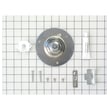
- Squealing or rumbling drum: check the dryer rear bearing kit WE25X10001
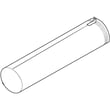
- Thumping or scraping at the front: check the dryer drum front glide WE03X10007
- Knob cracked or won’t turn timer shaft: check the dryer timer knob WE01X10082
Why it matters
Using the model/serial tag prevents ordering the wrong GE dryer part, especially on gas dryers where burner and drum support parts can vary by revision.
Last updated: February 2026
What is the most common problem with a GE electric dryer?
The most common GE electric dryer complaint is no heat or long dry times, usually caused by restricted airflow (lint buildup or a blocked vent) or a failed heating circuit safety part (thermal fuse or thermostat). Another frequent issue is no tumble, often tied to a worn belt or drum support parts.
Quick checks we recommend first
- Clean the lint screen completely (wash with warm water if it has fabric softener residue).
- Inspect and clear the vent path from the dryer outlet to the outside hood.
- Confirm strong airflow outside while the dryer runs.
- If the drum turns but there is no heat, focus on heating circuit safeties.
- If the motor runs but the drum does not turn, focus on belt and drum support.
How this applies to model DSXH43GA1WW
Your GE DSXH43GA1WW is a gas dryer, so “no heat” problems commonly point to airflow restriction or burner system issues (igniter, coils, flame sensor), not an electric heating element. If you are troubleshooting heat on this model, we use the same airflow-first approach shown in our gas dryer wont heat troubleshooting video.
Common symptoms and the most likely direction
| Symptom | Most likely cause | What to check next |
|---|---|---|
| Runs but clothes stay damp | Vent restriction, lint buildup | Vent hose, outside hood, lint screen housing |
| Shuts off early or overheats | Poor airflow | Vent length, crushed duct, lint blockage |
| Motor runs, drum does not turn | Belt or drum support wear | Belt condition, drum glides/bearings |
| Loud squeal or scraping | Worn drum supports | Rear bearing, front glides |
Parts that often relate to “won’t tumble” or noise on this model
If your DSXH43GA1WW has tumbling problems or noise, these model-matched parts are common wear items:
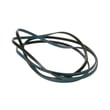
- Dryer belt WE12X10009 (broken or stretched belt can stop tumbling)
- Dryer drum front glide WE03X10007 (worn glides can cause scraping and poor drum support)
- Dryer rear bearing kit WE25X10001 (worn bearing can cause squealing or rumbling)
Why it matters
Airflow problems make any dryer dry slowly and can also trigger overheating protection, which leads to “no heat” symptoms. Fixing venting first prevents repeat failures and improves dry time and efficiency.
Last updated: February 2026
How do I know if my GE dryer heating element is bad?
On a GE DSXH43GA1WW gas dryer, a “bad heating element” usually is not the issue because gas dryers heat with a burner and igniter, not an electric heater coil. If the dryer tumbles but won’t heat, we focus on gas-heat components and airflow restrictions first.
What to check first (fast, high-impact)
- Confirm the dryer is set to a heated cycle (not Air Fluff or No Heat).
- Clean the lint screen and check the exhaust vent for crushing, kinks, or heavy lint buildup.
- Make sure the gas shutoff valve is fully open.
- Verify strong airflow outside at the vent hood while the dryer runs.
- Listen for the heat sequence: motor running, then a click, then igniter glow (if visible), then burner ignition.
Simple tests that point to the real problem
If the dryer runs but has no heat, these checks help narrow it down:
| Symptom | Most likely direction | What it suggests |
|---|---|---|
| No heat and weak airflow | Venting issue | Overheating safety devices can open; drying times increase |
| Igniter never glows | Ignition circuit issue | Thermal fuse, igniter, or control/timer path |
| Igniter glows but no flame | Gas valve/coil issue | Coils can fail and stop opening the gas valve |
| Heats briefly then stops | Coils overheating | Common sign of failing gas valve coils |
Parts on this model that can affect heat (and why)
Even though these are not “heating elements,” they can be involved in no-heat complaints:
- Duct burner WE14X10027: directs burner heat into the airflow path; damage or blockage can affect heating performance.
- Burner bracket WE14X10010: supports burner assembly alignment; misalignment can contribute to ignition or flame issues.
Why it matters
Gas dryers rely on correct ignition, gas flow, and airflow. A clogged vent can mimic a heat failure, and an ignition or gas valve problem can leave the drum tumbling with no flame, so the right diagnosis prevents repeat breakdowns.
For step-by-step symptom matching, we recommend using our gas dryer wont heat troubleshooting video to follow the same sequence a technician uses.
Last updated: February 2026
What's the life expectancy of a GE dryer?
A GE dryer like model DSXH43GA1WW typically lasts about 10 to 13 years with normal household use. Consistent airflow (clean lint system), avoiding overloads, and fixing wear parts early are the biggest factors that keep a gas dryer running longer.
Typical lifespan and what changes it
Most dryers fail early due to heat and friction related wear. These are the most common life-shorteners:
- Restricted venting or a clogged lint screen (overheats components)
- Overloading the drum (stresses belt, glides, bearings)
- Running long cycles repeatedly (extra heat time)
- Ignoring new noises (bearing and glide wear spreads)
- Skipping basic cleaning (lint buildup inside cabinet)
Quick maintenance checklist (high impact)
Use this schedule to get the most years out of your GE gas dryer:
- Every load: clean the lint screen
- Monthly: check airflow at the outside vent hood (strong, steady exhaust)
- Every 6 to 12 months: clean the full vent duct run and vent hood
- As needed: stop using the dryer if you hear scraping, thumping, or squealing
Common wear parts that affect longevity
If your DSXH43GA1WW starts getting noisy or the drum feels rough, these parts are often involved:
| Symptom | Common cause | Example part for this model |
|---|---|---|
| Squealing or scraping | Drum support wear | Dryer rear bearing kit WE25X10001 |
| Thumping, drum drag | Front support wear | Dryer drum front glide WE03X10007 |
| Drum not turning | Belt wear or break | Dryer belt WE12X10009 |
Why it matters
A dryer that is clean, venting well, and supported by good bearings and glides runs cooler and with less friction. That reduces stress on the motor, drum supports, and gas heating system, which is the difference between a dryer that lasts 7 years and one that reaches the 10 to 13 year range.
Last updated: February 2026





