View engine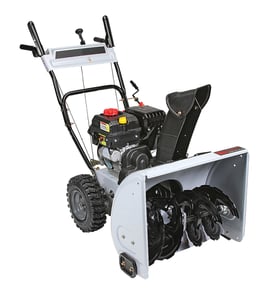



How do I tell what year my snowblower is?
For a Craftsman 536886110 22-inch snow blower, the most reliable way to estimate the year is to decode the engine’s manufacture date code stamped on the engine (not the snowblower frame). That code typically includes the year, so you can date the machine closely to the engine build date.
Look for a stamped or printed code on the engine itself (common locations vary by engine brand):
- On the blower housing (recoil starter) shroud
- On the valve cover area
- Near the spark plug
- On a label near the muffler or fuel tank
- On the engine block, close to the flywheel
Many small engines use a numeric date code where the first two digits indicate the year.
Example: 99011556
| Code section | What it usually means | Example value |
|---|---|---|
| First 2 digits | Year of manufacture | 99 = 1999 |
| Next 2 digits | Month | 01 = January |
| Next 2 digits | Day | 15 = 15th |
| Remaining digits | Plant/sequence info | 56 |
If the engine was replaced, the engine date code will reflect the replacement engine, not the original snowblower build year. In that case, we use the engine date as a practical reference point for parts and service history.
Knowing the approximate year helps us match the correct Craftsman parts and diagrams for wear items like belts, chute components, and drive hardware. For example, if you are troubleshooting drive issues, the snowblower drive belt 1733324SM is a common maintenance part to check for glazing, cracking, or stretching.
Last updated: January 2026
What is the typical lifespan of a gas snowblower?
A gas snowblower like the Craftsman 536886110 typically lasts 10 to 15 years with normal residential use and basic maintenance. With consistent preseason checks, clean fuel practices, and timely wear-part replacement, many machines reach 15 to 20 years of service.
- Fuel care: fresh gasoline, correct storage, and draining or stabilizing fuel in the off-season
- Oil changes: regular oil service prevents accelerated engine wear
- Belt condition and adjustment: slipping belts overheat and wear faster
- Shear pin events and jams: repeated auger jams strain the gearbox and impeller system
- Storage: dry storage reduces rust on the auger housing, chute, and fasteners
| When | What to do | Why it matters |
|---|---|---|
| Before each season | Check belts, cables, tire pressure, and fasteners | Prevents sudden loss of drive or auger function |
| Every 25 hours (typical) | Change engine oil (or per engine label) | Extends engine life |
| End of season | Treat or remove fuel, clean machine, inspect for damage | Prevents carburetor and corrosion issues |
| As needed | Replace worn belts and damaged chute parts | Restores performance and reduces strain |
- Engine runs rough even with fresh fuel: carburetor cleaning or fuel system service needed
- Snow throws weakly: worn auger belt, impeller wear, or chute blockage
- Unit will not move under load: worn drive belt or traction/friction drive issues
- Frequent belt squeal or burning smell: belt slipping, misalignment, or pulley wear
Replacing wear items early keeps the Craftsman 536886110 from overworking the drivetrain.
- Snowblower drive belt 1733324SM
- Auger belt 37X120MA
- Worm 585196MA (chute rotation drive)
A snowblower usually does not “wear out all at once”; performance drops as belts, pulleys, and chute components wear. Keeping the drive and auger systems operating efficiently reduces strain on the engine and auger housing, which is what most often determines whether you get 10 years or closer to 20.
Last updated: January 2026
What is the most common problem with snow blowers?
The most common problem we see with snow blowers (including the Craftsman 536886110 22" snow blower) is a no-start or hard-start condition caused by old fuel and a dirty carburetor, followed closely by snow clogging the discharge chute and drive or auger issues from worn belts or broken shear pins.
- Won’t start or starts then dies: stale gas, clogged carburetor jets, fouled spark plug, stuck choke, water in fuel
- Runs but won’t throw snow well: chute packed with snow, wet/heavy snow, worn impeller/auger components
- Auger won’t turn: broken shear pins, loose auger belt, frozen auger from ice buildup
- Unit won’t drive forward: worn or loose drive belt, traction/friction drive wear, cable out of adjustment
- Chute won’t rotate or won’t stay put: worn chute gear or retainer components
- Drain old fuel and refill with fresh gasoline; add fuel stabilizer if the machine sits.
- Remove and inspect the spark plug; replace if fouled or worn.
- Clear the chute and impeller area with the engine off and the key removed.
- Check belt condition and tension; glazing, cracking, or slipping points to replacement.
- Inspect shear pins (if equipped) and replace any that are broken.
| Symptom | Most likely wear item | Example part for model 536886110 |
|---|---|---|
| Wheels don’t pull | Ground drive belt | Snowblower drive belt 1733324SM |
| Auger won’t engage | Auger belt | Auger belt 37X120MA |
| Chute won’t rotate smoothly | Chute worm gear | Worm 585196MA |
Catching fuel and belt problems early prevents repeated no-starts, reduces strain on pulleys and bearings, and helps your Craftsman snowblower throw snow consistently instead of clogging or slipping under load.
Last updated: January 2026
Is it cheaper to repair or replace a snowblower?
For a Craftsman 536886110 22-inch snow blower, it’s usually cheaper to repair when the problem is a normal wear item (belts, chute parts, small hardware). Replacement makes more sense when the repair estimate is about half the cost of a comparable new snowblower, or when multiple major systems are failing at once.
- Repair if the machine starts and runs well, but performance is slipping (no drive, weak auger, chute won’t rotate).
- Repair if the fix is a single, common part such as a belt or chute component.
- Replace if the engine has low compression, heavy oil burning, or repeated no-start issues after proper fuel and ignition service.
- Replace if the auger/drive system has extensive damage (multiple shafts, bearings, housings) and labor adds up.
- Replace if the frame or auger housing is severely rusted through or bent.
These are typical repairs that often restore function at a reasonable cost:
- Loss of forward/reverse drive: inspect and replace the snowblower drive belt 1733324SM.
- Auger or impeller not engaging: inspect and replace the auger belt 37X120MA.
- Chute won’t aim or stay aligned: check the worm 585196MA and chute hardware.
- Chute wobble or binding: inspect the snowblower chute retainer ring, outer 585193MA and related retainers.
| Situation | Typical outcome | Usually best choice |
|---|---|---|
| One worn belt, otherwise solid machine | Restores drive or auger function | Repair |
| Chute rotation or deflector issues only | Restores aiming and throwing control | Repair |
| Multiple major mechanical failures plus engine problems | High parts and labor total | Replace |
| Severe rust or structural damage | Reliability and safety drop | Replace |
A 22-inch snowblower like the Craftsman 536886110 is designed around serviceable wear parts. Replacing a belt or chute component can bring back full performance, while major engine or drivetrain failures can quickly exceed the value of keeping the machine.
Last updated: January 2026