Owner’s manual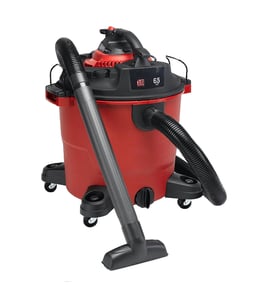

Can wet dry vac filters be washed?
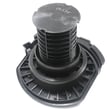
Yes. On the Craftsman 338179210 wet/dry vacuum, the cartridge filter can be cleaned by shaking or brushing off debris, and it can also be rinsed with water from the inside of the filter; let it dry completely before reinstalling. Follow the steps in the owner's manual.
What you can wash vs. what you should not wash
For this Craftsman wet/dry vacuum, the key is matching the filter setup to the job (dry pick-up vs. wet pick-up).
- Cartridge filter (dry pick-up): Shake, brush, or rinse; then dry completely before reuse.
- Foam sleeve (wet pick-up): Clean and dry it; reinstall it correctly before picking up liquids.
- Disposable filter bag (if used): Dry pick-up only; do not use it for liquids.
How to wash and dry the cartridge filter correctly
- Unplug the vacuum.
- Remove the tank cover and take the cartridge filter off the lid cage.
- Shake or brush off loose dirt first.
- Rinse from the inside of the filter to push dirt out.
- Air-dry until fully dry (do not reinstall damp).
- Reinstall and tighten the filter retainer so the filter seals against the cover.
Quick setup check: wet vs. dry operation
| Cleaning job | Filter setup | Inlet deflector position |
|---|---|---|
| Dry debris (sawdust, drywall dust) | Cartridge filter installed | Down for dry vacuuming |
| Liquids (water pickup) | Foam sleeve in place | Opening up for wet |
Why it matters
A damp or clogged filter reduces suction and can cause messy blow-by. For wet pick-up, a missing or saturated foam sleeve and an incorrectly positioned inlet deflector are common causes of poor performance.
Last updated: February 2026
What is the list of vacuum cleaner parts?
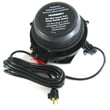
For the Craftsman 338179210 wet/dry vacuum, the parts list is the set of components that make up the vacuum and its accessories, including the motor cover and tank, hose and wands, filters for dry pickup, and mobility and latch hardware. The owner's manual also references a dedicated “Repair Parts” section.
Common wet/dry vacuum parts you will see
Most Craftsman wet/dry vacuums like model 338179210 are built around these core groups:
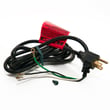
- Power and suction: motor assembly (under the motor cover), power cord, switch
- Collection: tank (canister), tank cover, latches, inlet/port
- Air filtration: dry pickup filter(s); wet pickup uses a different filter setup per the manual
- Airflow path: hose, locking nut/cuff, extension wands, nozzles and small attachments
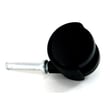
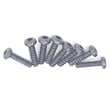
- Mobility and stability: casters, caster supports, screws
Model-specific notes from the manual
The Craftsman 338179210 manual calls out a few parts and setups that matter during assembly and use:
- Filters are installed for dry pickup from the factory
- The inlet deflector position changes by mode (opening up for wet pickup, down for dry vacuuming)
- The hose end installs into the tank inlet and is secured with a locking nut (tighten snugly, do not over-tighten)
- Casters install into supports and the tank bottom (hardware varies by model family)
Quick reference: what each part does
| Part group | What it does | When it matters most |
|---|---|---|
| Filter and deflector | Protects the motor and controls airflow | Switching between wet and dry pickup |
| Hose and wands | Moves debris and liquid to the tank | Clogs, low suction, reach issues |
| Tank cover and latches | Seals the system to maintain suction | Air leaks, poor pickup |
| Casters and supports | Lets the vacuum roll safely | Tip-over risk, hard-to-move vacuum |
Why it matters
Knowing the parts list helps us match the right filter setup, prevent suction leaks at the lid or hose connection, and choose the correct accessories for floors, corners, and liquid pickup.
Last updated: February 2026
What is the highest rated wet dry vacuum?
“Highest rated” depends on what you’re cleaning and how you’ll use it. For heavy-duty shop cleanup, a wet/dry vacuum like the Craftsman 338179210 is built for picking up both dry debris and liquids, with features such as an automatic suction shut-off during wet pickup; for floors-only cleaning, combo vacuum-mops are rated differently.
How to choose the best-rated wet/dry vacuum for your needs
Ratings usually track a few practical factors more than brand name alone:
- Capacity: larger tanks mean fewer trips to empty
- Wet pickup design: look for float shut-off to prevent overfilling
- Cord and extension cord fit: match cord gauge to amp draw and cord length
- Filtration: dry pickup typically uses a cartridge filter; wet pickup often uses a foam sleeve
- Mobility: casters and hose/wand reach matter in garages and basements
- Maintenance: easy tank draining and filter cleaning improves long-term performance
What your Craftsman 338179210 does well (shop-style wet/dry use)
From our documentation, this model is designed for typical shop and home cleanup tasks, including liquid pickup.
| Use case | What to look for | Why it matters |
|---|---|---|
| Spills, wet pickup | Automatic suction shut-off (float) | Helps stop suction when the tank fills with liquid |
| Dry debris cleanup | Correct dry filter installed | Protects the motor and keeps airflow strong |
| Frequent liquid emptying | Drain cap (if equipped) | Faster, cleaner tank emptying |
Quick tips that improve real-world “ratings” at home
- Inspect the power cord for damage before use.
- Use a 3-wire grounded extension cord; keep the plug connection away from liquids.
- Set the inlet deflector correctly (wet vs. dry position) before starting.
- Empty liquid waste safely: unplug first, then drain or pour out as directed.
- Clean and dry filters after wet pickup to prevent odor and airflow loss.
Why it matters
A wet/dry vacuum can score “top rated” for one person and disappoint another because the rating is tied to the job: wet pickup safety (float shut-off), correct filter setup, and easy emptying often matter more than raw power.
For model-specific operating steps and filter setup, use the owner's manual.
Last updated: February 2026
Why do shop vacuums lose suction?
Shop vacuums lose suction when airflow is restricted or the vacuum’s float shut-off activates. On the Craftsman 338179210 wet/dry vacuum, the most common causes are a clogged or damaged filter, a loose hose or lid seal leak, a full tank, or a blockage in the hose or nozzle. See the owner's manual for the model’s troubleshooting chart and safety steps.
Most common causes (and what to check first)
- Clogged filter: Dust buildup reduces airflow quickly.
- Filter installed wrong or missing: Air bypass can cause poor pickup and dust exhaust.
- Loose hose connection: Even a small gap drops suction.
- Lid or latch leak: If the motor lid is not sealed, suction falls.
- Full tank: A packed tank restricts airflow; liquid pickup can trigger shut-off.
- Hole in the hose: Cracks and splits act like a big air leak.
- Obstruction in hose/nozzle: Debris plugs the airflow path.
Wet pickup: automatic shut-off can look like “lost suction”
When picking up liquids, this vacuum uses an internal float that rises with the liquid level and seats against the motor intake, drastically reducing suction. If you hear a higher-pitched motor sound and suction drops:
- Turn the vacuum off immediately.
- Unplug it.
- Empty the tank (use the drain cap if your unit has one).
- Set the vacuum upright if it tipped; the float needs to drop back to normal.
Quick diagnostic table
| What you notice | Likely cause | Best next step |
|---|---|---|
| Suction slowly gets worse | Filter clogging | Clean or replace the filter |
| Sudden suction drop during wet pickup | Float shut-off activated | Turn off, unplug, empty tank |
| Whistling or air sound at lid | Lid/latch leak | Reseat lid, secure latches |
| Suction weak at nozzle only | Hose/nozzle blockage | Clear obstruction, inspect hose |
Why it matters
Low suction is usually an airflow problem, but during wet pickup it can also be a protection feature. Addressing it right away helps prevent dust blow-by, improves cleaning performance, and protects the motor from damage.
Last updated: February 2026