
Are air compressor parts interchangeable?
Most air compressor parts are not interchangeable across brands or even across different models from the same brand. For a Craftsman air compressor like model 919175260, internal components (pump parts, valves, seals, and motor-start parts) must match the exact design so the compressor builds pressure safely and runs correctly.
What’s usually model-specific (not interchangeable)
These parts are engineered around the pump design, pressure rating, and motor load, so swapping “close enough” parts often causes leaks, poor performance, or hard starting:
- Pump components (cylinder, piston, connecting rod)
- Reed valves and valve plate parts
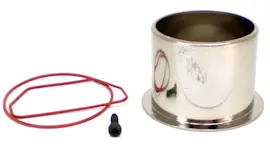
- Head gasket and seal kits
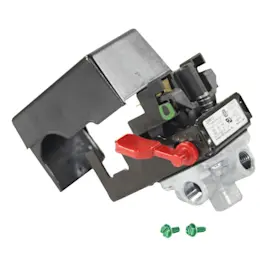
- Pressure switch and unloader setup
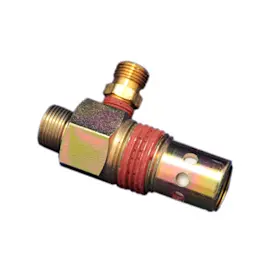
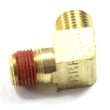
- Check valve style and port orientation
- Regulator body and manifold layout
What’s sometimes interchangeable (with careful matching)
Some external connection parts can be shared, but only when you match the connection standard and size.
- Quick-connect couplers and plugs (industrial, automotive, ARO styles)
- Hose fittings and adapters
- Thread type and size (commonly NPT in the U.S.)
- Pressure gauge range (PSI rating) and mounting style
Quick check table: “Can I swap this part?”
| Part type | Often interchangeable? | What must match |
|---|---|---|
| Pump internals | No | Pump design, tolerances, materials |
| Pressure switch | Sometimes | Cut-in/cut-out range, amperage, port size, unloader port |
| Check valve | Sometimes | Tank port size, flow direction, unloader line connection |
| Couplers/plugs | Often | Coupler series, thread size, sealing method |
| Gauges | Sometimes | PSI range, thread size, location clearance |
Why it matters
Air compressors depend on tight sealing and correct pressure control. A mismatched valve, gasket, or pressure-control part can prevent the tank from building pressure, make the unit short-cycle, or cause constant air leaks that overwork the motor.
Our best way to confirm fit before you buy
Use the model number 919175260 to match parts by application, not by appearance.
- Identify the system: pump, tank, regulator/manifold, or electrical
- Match thread size and thread type (do not force fittings)
- Match pressure ratings (PSI) and airflow needs (CFM) for the application
- If the compressor will not start or struggles under pressure, troubleshoot the unloader/check valve path first
For step-by-step troubleshooting that helps you pinpoint the right component, use air compressor won't start.
Last updated: February 2026
What is the most common cause of air compressor failure?
The most common cause of failure on a Craftsman air compressor like model 919175260 is poor maintenance that leads to overheating and accelerated wear. Dirty intake filtration, restricted cooling airflow, moisture in the tank, and running the compressor too hard or too long can quickly damage valves, seals, and the pump.
Most common failure drivers (what we see most often)
- Overheating from blocked cooling fins, poor ventilation, or long run times
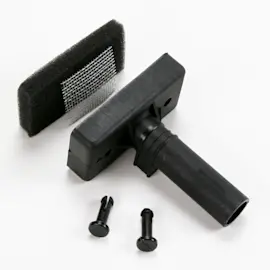
- Dirty or restricted intake filter that makes the pump work harder
- Moisture and corrosion from not draining the tank regularly
- Air leaks at fittings, regulator, drain valve, or check valve that increase run time
- Electrical/control issues such as a failing pressure switch, capacitor, or loose wiring
Quick checks you can do first
- Listen and look: does it struggle to start, trip a breaker, or run continuously?
- Check airflow: confirm the shroud/vents are clear and the pump area is not packed with dust.
- Leak test: spray soapy water on fittings and valves; bubbles indicate leaks.
- Drain the tank: water in the tank is a long-term failure accelerator.
- Watch the gauges: if tank pressure rises slowly or stalls, suspect pump/valves or a major leak.
Symptom-to-cause cheat sheet
| What you notice | Most likely cause | What to check next |
|---|---|---|
| Won’t start | Pressure switch, capacitor, motor, unloader/check valve | Air compressor won't start |
| Runs but won’t build pressure | Leaks, reed valves, piston seal, head gasket | Air compressor won't build tank pressure |
| Tank loses pressure sitting | Fitting leak, drain valve leak, check valve leak | Air compressor tank won't hold air |
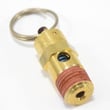
| Safety valve pops | Overpressure control issue, regulator/check valve problems | Air compressor safety valve keeps popping open |
Why it matters
Most “failures” start as small issues that force longer run time. Longer run time raises heat, heat breaks down seals and valves, and performance drops fast. Keeping airflow clear, fixing leaks early, and draining moisture prevents the most expensive pump damage.
Last updated: February 2026
What company makes Craftsman air compressors?
Craftsman is a brand name, so Craftsman air compressors (including model 919175260) have been built by different original equipment manufacturers over the years. The actual maker depends on the model and production run; the most reliable way to identify it is by checking the data plate and using the unit’s model and code information.
How to identify who made your Craftsman 919175260
Look for the compressor’s data plate (often on the tank or shroud) and note the details below:
- Full model number: 919175260
- Any additional code, type, or revision number
- Serial number and date code (if shown)
- Electrical ratings (volts, amps) and maximum pressure
- Any small-print manufacturer statement (sometimes lists the OEM)
Common OEMs you may see associated with Craftsman compressors
Different eras of Craftsman compressors have been sourced from different manufacturers. These are commonly referenced for Craftsman air compressors:
- DeVilbiss Air Power (common on many older units)
- Campbell Hausfeld (seen on some older Craftsman models)
- MAT Holdings / Alton Industries (common on many newer Craftsman-branded compressors)
Why it matters
Knowing the OEM helps when you are troubleshooting issues like a pressure switch problem, a check valve leak, or a pump that will not build pressure. It also helps you match the correct style of components (for example, regulator layout, unloader tube routing, and tank fitting types) when you are diagnosing or replacing parts.
Quick troubleshooting cross-check (often confused with “who made it”)
If you are asking because the compressor is acting up, these symptoms usually point to specific systems:
| Symptom | Most likely system to check first |
|---|---|
| Will not start | Power supply, pressure switch, motor, unloader |
| Will not build tank pressure | Pump, reed valves, head gasket, intake filter |
| Leaks air after shutoff | Check valve, unloader, fittings |
| Cannot adjust output pressure | Regulator, gauge, downstream leak |
For step-by-step diagnosis, use our DIY guide: air compressor won't start.
What we recommend next
- Write down the full data plate information before ordering parts
- Compare your compressor’s control manifold layout (switch, regulator, gauges) to replacement part photos
- If the pump is weak or noisy, review: how to rebuild an air compressor pump
Last updated: February 2026
Is it worth it to repair a compressor?
Yes, it’s worth repairing a Craftsman air compressor like model 919175260 when the problem is a single, serviceable failure (pressure switch, check valve, regulator, gauges, fittings) and the total repair cost is clearly less than replacing the compressor. It’s not worth repairing when the pump or tank is the failure point, or when multiple major issues stack up.
Quick decision checklist
- Repair if the unit runs but has control or leak issues (pressure switch, regulator, check valve, fittings)
- Repair if the motor starts reliably and the compressor builds pressure normally
- Replace if the pump has severe internal wear (low output, overheating, metal noise) after basic checks
- Replace if the tank integrity is questionable (persistent tank leaks or heavy corrosion)
- Replace if repair requires multiple major components at once (pump + motor + controls)
Typical repair vs replace cost logic
Use this simple rule: if the repair total is under 40% to 50% of the cost of a comparable replacement compressor, repair usually makes sense.
| Situation | What it usually means | Best move |
|---|---|---|
| Won’t start, hums or trips breaker | Electrical/control issue or unloader/check valve issue | Repair first |
| Runs but won’t build tank pressure | Leak, valve, gasket, reed/valve plate issue | Diagnose, then repair if pump is otherwise healthy |
| Can’t adjust output pressure | Regulator issue | Repair |
| Tank won’t hold air | Leak at fittings or drain valve, or tank problem | Repair leaks; replace if tank is the issue |
Why it matters
A targeted repair restores safe, reliable pressure control and prevents repeated cycling, overheating, and premature pump wear. Replacing a unit that only needs a control or leak fix often costs more than necessary.
Best next steps for model 919175260
- Identify the symptom first using our DIY guides:
- If the symptom points to a common service part, follow a step-by-step repair guide:
- If performance points to pump wear, use: how to rebuild an air compressor pump
Last updated: February 2026