Owner’s manual



Why does an LG sensor dry dryer take so long to dry?
On the LG DLE7000W, Sensor Dry cycle time often runs long when airflow is restricted (lint screen or venting), the load is mixed or oversized, or the dryer keeps recalculating time based on moisture readings. Start with the airflow and load setup steps in the DLE7000W owner's manual.
Most common causes (and what to do first)
- Clean the lint screen before every load; never run with the filter missing or wet.
- Check the exhaust duct for lint buildup, crushed flex duct, or a stuck exterior damper.
- Sort loads by fabric weight; heavy towels with light items can “fool” the sensor.
- Reduce load size for heavy fabrics; large, dense loads hold moisture longer.
- Adjust dryness level if your cycle allows it; some loads need a higher dry level.
- If you are drying a very small load, add a few items for better tumbling or use Time Dry.
How Sensor Dry timing works (what you are seeing is normal)
Sensor Dry cycles use a dual sensor system to compare moisture in the clothes and in the air, then adjust the remaining time. That is why the estimated time can fluctuate during the cycle.
Quick comparison: Sensor Dry vs Time Dry
| Feature | Sensor Dry | Time Dry (Manual Dry) |
|---|---|---|
| Time display | Estimated time can change | Shows actual time remaining |
| Best for | Mixed everyday loads | Small loads, quick touch-ups |
| Common “long dry” trigger | Poor airflow or mixed fabrics | Wrong time/heat selection |
When to suspect a part problem
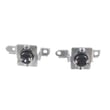
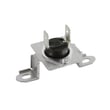
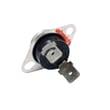
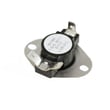
If airflow is good and loads are sorted, long dry times can point to a heating or temperature-sensing issue. For this model, common suspects include the dryer high-limit thermostat 6931EL3003D or the dryer thermistor AGM30045804.
Why it matters
Proper airflow is critical for efficient drying. A clogged lint screen or restricted venting forces longer run times, wastes energy, and can lead to more service calls.
Last updated: February 2026
What is the average lifespan of an LG dryer?
Most LG dryers, including the LG DLE7000W, typically last 10 to 15 years with normal household use. Consistent airflow maintenance (lint filter and venting), correct installation clearances, and prompt repair of wear parts are what most often determine whether you land closer to 10 or 15.
What affects dryer life the most
- Airflow and heat management: clogged lint paths make the heater and thermostats work harder.
- Load size: frequent overloading strains the drum, belt, rollers, and motor.
- Venting setup: long runs, crushed ducts, or blocked exterior hoods increase run time and wear.
- Routine cleaning: lint buildup inside the cabinet accelerates component failure.
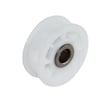
- Fixing noises early: squealing or thumping often points to rollers, idler pulley, or belt wear.
Typical lifespan by usage pattern
| Usage pattern | Typical lifespan | What usually wears first |
|---|---|---|
| Light (1 to 3 loads/week) | 12 to 15 years | Belt, rollers |
| Average (4 to 7 loads/week) | 10 to 13 years | Rollers, idler pulley, thermostats |
| Heavy (multiple loads/day) | 7 to 10 years | Motor, drum support parts, heater-related parts |
Maintenance that adds years (and saves drying time)
- Clean the lint screen every load and wash it periodically to remove residue.
- Check and clean the full vent path (dryer outlet to exterior hood) on a schedule.
- Keep the dryer level; it reduces vibration and uneven drum wear.
- Use Sensor Dry cycles when possible; they reduce over-drying and heat stress.
- Follow the venting and clearance guidance in the DLE7000W owner's manual.
When a “simple part” can prevent a bigger repair
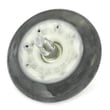
If the drum stops turning or you hear squealing, addressing wear parts early can prevent motor strain. Common wear items include the LG dryer drum belt 4400EL2001F and drum support components.
Why it matters
A dryer that is forced to run hot or run long (usually from restricted airflow) ages faster and costs more to operate. Keeping airflow strong is the most reliable way to reach the upper end of the 10 to 15 year range.
Last updated: February 2026
What is the most common problem with LG dryers?
The most common problem we see with LG dryers (including model DLE7000W) is poor drying performance: no heat or long dry times. In most cases, the root cause is restricted airflow from a clogged lint filter or vent duct, or a heat-related component that is opening due to overheating (thermostat/thermistor). See the DLE7000W owner's manual for the model-specific checks LG recommends.
Most common symptoms and what they usually mean
- Runs but clothes stay damp: vent restriction, lint buildup, or an overheating safety device cycling off heat
- Long dry times: partially blocked duct, excessive duct length or too many elbows, overloaded drum
- No heat but drum tumbles: electrical supply issue can allow an electric dryer to run without heat; also possible thermostat/heater circuit problem
- Stops too soon on sensor cycles: very small loads or moisture sensor bars coated with residue
- Won’t start: power supply issue or a failed door switch
Quick checks we recommend first (fastest wins)
- Clean the lint filter; for heavy-lint loads (like new towels), clean it during the cycle if needed.
- Check the outside vent hood for strong airflow; clear lint and obstructions in the duct.
- Reduce load size; large loads dry slower and can overheat the heater circuit.
- If using a sensor cycle with a tiny load, switch to Time Dry or add a few items for better tumbling.
- If the dryer runs but never heats, check the breaker (electric dryers can run with one leg of power).
Parts that commonly relate to these problems on DLE7000W
| Problem pattern | Common area | Example part for this model |
|---|---|---|
| Long dry time, overheating shutdown | Airflow and temperature sensing | Dryer high-limit thermostat 6931EL3003D |
| Temperature error or unstable heat | Temperature sensing | Dryer thermistor AGM30045804 |
| No tumble, squeal, thump | Drum drive/support | LG dryer drum belt 4400EL2001F |
Why it matters
Restricted venting does more than slow drying; it can keep safety thermostats cycling and make the dryer seem like it has a “no heat” failure. Fixing airflow first prevents repeat part failures and restores normal cycle times.
For code-related issues, we use the LG dryer error codes guide to match the display code to the most likely cause.
Last updated: February 2026
What parts might cause an LG dryer to not heat?
On the LG DLE7000W dryer, “no heat” is most often caused by a power supply issue (dryer tumbles but the heater never energizes), restricted airflow (lint filter or vent/duct clog), or a failed heating circuit component such as a thermostat or temperature sensor. Confirm basics first using the DLE7000W owner's manual.
Quick checks before replacing parts
- Reset the breaker and verify the dryer is on the correct grounded outlet (electric dryers can run without heat if one leg of power is missing).
- Clean the lint filter and make sure it is seated correctly.
- Inspect the vent hose and outside hood for kinks, crushed sections, lint buildup, or a stuck flap.
- Try a timed dry cycle and a higher heat setting to rule out cycle/option settings.
- If you have a gas version of this platform, confirm the house and dryer gas shutoff valves are fully open.
Parts that commonly cause “no heat” on this model
These are the most common heat-related components to suspect after airflow and power are confirmed:
- High-limit thermostat (opens if the heater area overheats): dryer high-limit thermostat 6931EL3003D or dryer high-limit thermostat 6931EL3001F
- Blower thermostat (monitors temperature near the blower housing): dryer blower thermostat 6931EL3002M
- Thermistor (temperature sensor used by the control to regulate heat): dryer thermistor AGM30045804
Symptom-to-cause guide
| What you notice | Most likely cause | What we recommend |
|---|---|---|
| Tumbles but never warms | Breaker/fuse issue (missing power leg) | Reset breaker, check outlet, then test heater circuit |
| Long dry times, weak airflow | Lint filter or vent/duct restriction | Clean filter, clear duct and outside hood |
| Heats briefly then stops | Overheating from restriction or thermostat opening | Fix airflow first, then test thermostats |
| Heat seems inconsistent on sensor cycles | Sensor/thermistor control issue | Try timed dry; test thermistor and wiring |
Why it matters
A clogged exhaust duct can trigger overheating protection and shut heat down, and it also increases dry time and wear on the heater and thermostats. Fixing airflow first prevents repeat failures and unnecessary part replacement.
For code-based symptoms, use our LG dryer error codes reference to match the display to the most likely heating and airflow checks.
Last updated: February 2026