Owner’s manual
 View engine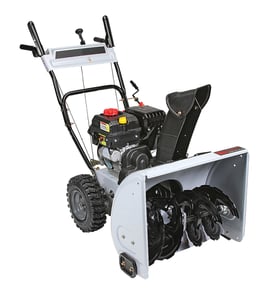



How do I tell what year my snowblower is?
For a Craftsman snow thrower model 536881510, the most reliable way to estimate the year is to use the engine identification code (often a date code) on the engine itself; that code indicates when the engine was manufactured, which is typically close to the snowblower’s build timeframe. Use the 536881510 owner's manual to confirm where to find key ID labels and safe access points.
Where to find the date information
Most snowblowers have two places to check:
- Engine shroud or valve cover area: look for a stamped or printed engine code on the engine housing
- Blower housing or frame label: look for a model and serial tag on the snow thrower body
- Control panel area: sometimes the product label is near the controls
- Under an access door/panel: some service points are behind small access panels (use safe access steps)
How to read common small-engine date codes
Many small engines use a numeric code where the first two digits are the year and the next digits represent month and day.
| Example code | What it means | Notes |
|---|---|---|
| 99011556 | Year = 1999 | First two digits often indicate year |
| 99011556 | Month/Day = 01/15 | Next digits often indicate month/day |
Why the engine date is the best “year” clue
The engine date code is useful because engines are produced in traceable batches. Even if the snowblower’s product serial label is worn or missing, the engine code still gives a dependable manufacturing date reference.
Safety and access tips before you check
We recommend these basics before you start looking for codes:
- Shut off the engine and let it cool
- Remove the ignition key (if equipped)
- Keep hands away from the auger and impeller area
- Never reach into the discharge chute; use a clean-out tool
- If you need to remove panels, keep track of fasteners and reinstall them securely
Helpful related DIY guidance
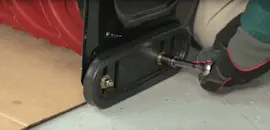
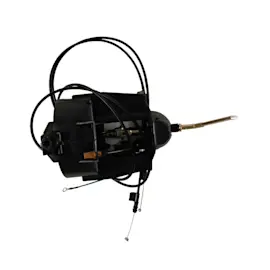
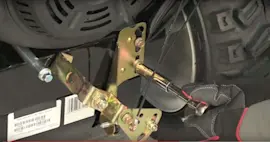
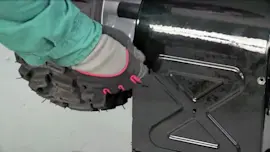
If you’re working around controls or linkages while checking labels, how to assemble a snowblower video can help you recognize major components and safe handling points.
Last updated: January 2026
How many years should a snowblower last?
A gas snowblower like the Craftsman 536881510 typically lasts 15 to 20 years with normal homeowner use and consistent maintenance. The biggest factors are off-season storage, regular oil changes, and keeping wear items (belts, shear pins, spark plug) in good shape per the 536881510 owner's manual.
Typical lifespan by use and care
- Light use (a few storms per season): 18 to 25 years
- Moderate use (weekly during winter): 15 to 20 years
- Heavy use (long runs, deep/wet snow): 10 to 15 years
- Commercial or rental use: shorter service life because hours and load are higher
Maintenance that extends life (most important)
The manual calls out several habits that directly affect longevity.
- Check engine oil before starting and about every 8 hours of continuous use; use SAE 5W30 (synthetic 5W30 is acceptable).
- Change engine oil every 50 hours or at least once a year.
- Inspect and tighten fasteners (including shear bolts) regularly.
- Run the machine a few minutes after throwing snow to help prevent auger and impeller freeze-up.
- Store safely and correctly: let the engine cool, and avoid storing near ignition sources.
Quick “life-extender” checklist
| What to do | When | Why it matters |
|---|---|---|
| Check oil level | Before each use | Prevents engine wear and seizure |
| Change oil | Every 50 hours or yearly | Removes contaminants that shorten engine life |
| Check spark plug | Every 25 hours; replace about every 100 hours | Keeps starting easy and combustion efficient |
| End-of-season cleaning and lubrication | Before storage | Reduces rust and stuck controls |
Why it matters
Most snowblower “end of life” problems come from neglected oil, stale fuel, corrosion, or worn drive components, not from the auger housing itself. Staying on schedule keeps the engine and drive system reliable for decades.
For step-by-step seasonal care, use how to make your snowblower last longer.
Last updated: January 2026
Is it cheaper to repair or replace a snowblower?
For a Craftsman snow thrower model 536881510, it’s usually cheaper to repair when the problem is a normal wear item (belt, fuel issue, ignition switch) or a simple adjustment; it’s usually smarter to replace when the repair cost approaches half the price of a comparable new snowblower, especially if the machine has repeated breakdowns or major drivetrain damage.
Quick decision checklist
- Repair if the snowblower still starts reliably and the issue is isolated (one system).
- Repair if the fix is a common maintenance item (fuel delivery, cable adjustment, belt/pulley wear).
- Replace if the engine has low compression, heavy smoking, or persistent no-start after fuel and ignition checks.
- Replace if the auger/drive system has major damage (bent shafts, cracked housing, severe rust-through).
- Replace if you need multiple big-ticket parts at once (auger housing plus controls plus drivetrain).
Typical repair costs vs replacement value
| Scenario | What you’re paying for | Usually best choice |
|---|---|---|
| Won’t start after storage | Fuel system cleanup, fresh fuel, tune-up | Repair |
| Drive will not move | Belt, idler pulley, cable adjustment | Repair |
| Intermittent shutoff | Ignition switch or wiring | Repair |
| Major mechanical damage | Engine internal repair or major drivetrain work | Replace |
Model-specific tips that affect the decision
Your 536881510 manual calls out routine maintenance (oil checks/changes, spark plug cleaning, tightening fasteners) that prevents expensive failures; staying on that schedule keeps repairs in the “cheap fix” category. Use the 536881510 owner’s manual to follow the maintenance intervals and storage steps.
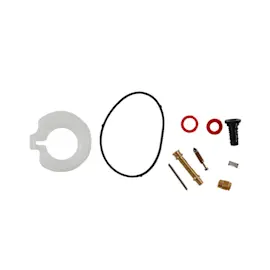
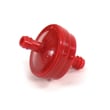
If you’re troubleshooting a fuel-related no-start, replacing the filter-fuel 298090S and inspecting fuel line condition are common first steps before pricing bigger repairs.
Why it matters
A snowblower that is maintained and tuned up regularly tends to fail in predictable, low-cost ways (belts, fuel delivery, adjustments). Once failures become structural or internal (engine or drivetrain), costs rise quickly and replacement becomes the better value.
Last updated: January 2026
What is the most common problem with snow blowers?
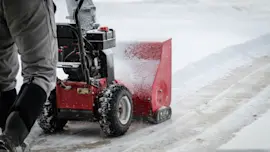
The most common problem we see with snow blowers like the Craftsman 536881510 is a clogged discharge chute or auger housing, often caused by wet, heavy snow. Starting problems from fuel and ignition issues are also very common on gas models. Use the 536881510 owner's manual for the safest clearing and basic operating checks.
Most common issues (and what they look like)
- Clogged discharge chute: snow stops throwing, engine keeps running, chute packs with snow
- Starting trouble: hard start, won’t start, starts then stalls (often fuel-related)
- Auger not turning: engine runs but auger/impeller does not move (often shear bolt or belt related)
- Drive problems: wheels do not pull, slipping, poor forward speed
- Abnormal vibration: shaking or rattling after hitting debris (stop and inspect)
Safe first steps for a clogged chute (most common)
The manual’s safety guidance is clear: shut the engine off and keep hands away from the impeller.
- Shut off the engine
- Wait about 10 seconds for the impeller to stop
- Pull out the key and disconnect the spark plug wire
- Clear packed snow using a clean-out tool (never your hand)
Quick troubleshooting table
| Symptom | Most likely cause | What to check first |
|---|---|---|
| Snow won’t discharge | Chute/impeller blockage | Clear chute safely; check deflector position |
| Won’t start | Stale fuel, spark issue | Fresh fuel; inspect spark plug; check ignition key/switch |
| Runs but won’t move | Drive belt/cable issue | Drive engagement; cable adjustment; belt condition |
| Shakes/vibrates | Foreign object damage | Stop immediately; inspect auger/impeller and fasteners |
Why it matters
A clogged chute is the most common injury scenario on snow throwers; the manual warns that hand contact with the rotating impeller is a leading cause of injury. Clearing the chute the right way also prevents bent auger components and damaged bearings.
Last updated: January 2026