Owner’s manual
 Error Codes



Can you replace parts on a hot water heater?
Yes. On the Kenmore 153586400 electric water heater, we can replace many service parts (like heating elements, thermostats, and the anode rod) to restore hot water and extend the heater’s life; always shut off power at the breaker and turn off the water supply before starting. See the 153586400 owner's manual for model-specific access and safety steps.
These are typical DIY-level replacements on an electric water heater when symptoms match:
- Heating element (burned out, slow recovery, no hot water)
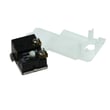
- Thermostat (water too hot, not hot enough, inconsistent temperature)
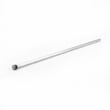
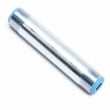
- Anode rod (rusty water, odor, accelerated tank corrosion)
- Dip tube (lukewarm water quickly, reduced usable hot water)
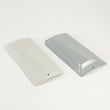
- Covers and access panels (missing insulation protection, exposed wiring)
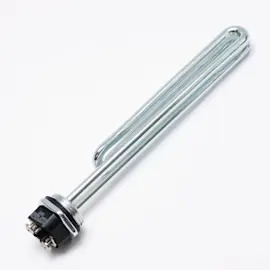
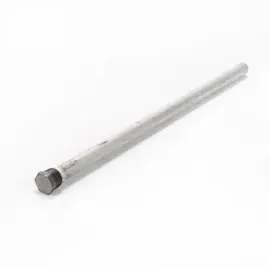
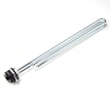
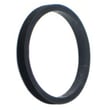
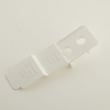
Model-matched examples for this unit include the element 100108290, thermostat 100108421 (lower), and anode 33 in 100108260.
Before touching wiring or opening panels, we use this sequence:
- Switch OFF the water heater breaker (240V) and verify power is off with a meter
- Turn OFF the cold water supply valve
- Open a hot faucet to relieve pressure
- Drain water to below the part you’re replacing (elements and some thermostats require draining)
- Label wires before removal and reinstall exactly as found
| Symptom | Most likely area | Common fix |
|---|---|---|
| No hot water | Power, upper thermostat/element | Test and replace failed thermostat/element |
| Not enough hot water | Lower element/thermostat, dip tube | Replace failed part; inspect dip tube |
| Water too hot | Thermostat stuck | Replace thermostat and set temperature correctly |
| Rusty/metallic water | Anode rod | Replace anode rod |
Replacing the correct part (instead of guessing) prevents repeat failures, reduces energy waste, and helps protect the tank from corrosion. On electric models, correct wiring and tight electrical connections are critical for safe operation.
Last updated: February 2026
How do I read my water heater model number?
For Kenmore electric water heater model 153586400, the model number is the exact identifier printed on the water heater’s rating plate (data sticker) on the tank. Match that full number character-for-character when ordering parts or using the 153586400 owner’s manual.
Most electric water heaters place the rating plate on the outside of the tank, often:
- On the upper side of the tank near the thermostat access panel
- On the front of the tank near the middle
- Near the piping connections at the top
- Behind an outer jacket label (if your unit has one)
When you locate the rating plate, record these items:
- Model number (example: 153586400)
- Serial number (helps identify production details)
- Voltage and wattage (useful for diagnosing heating issues)
- Tank capacity (helps confirm you are shopping for the right water heater parts)
You can ignore most other codes and certification text unless a technician asks for it.
| Item | What it’s used for | Example format |
|---|---|---|
| Model number | Picking correct parts and documentation | 153586400 |
| Serial number | Identifying the specific unit build | Letters and numbers |
Using the exact model number prevents ordering the wrong heating element, thermostat, or gasket. Even small differences in a Kenmore electric water heater series can change the correct replacement part.
Last updated: February 2026
How to tell how old a Kenmore water heater is?
To tell how old a Kenmore water heater is, we use the serial number on the rating plate; on many Kenmore units, the first two digits of the serial number indicate the year it was manufactured. For model 153586400, confirm the serial-number format and label location in the 153586400 owner's manual.
Look for the rating plate (data label) on the water heater. Common locations include:
- On the side of the tank near the upper access panel
- Near the thermostat cover area
- On the front of the tank behind an outer panel
- Occasionally near the top connections (hot and cold nipples)
Once you have the serial number, use this quick guide:
| What you see in the serial number | What it usually means | Example result |
|---|---|---|
| First 2 digits are numbers | Year of manufacture | 09xxxx... = 2009 |
| A letter before the first digits | The letter is a prefix; the first 2 digits still indicate the year | A09xxxx... = 2009 |
| No clear year pattern | Use the manufacturer name on the label to match the correct decoding chart | Use label info |
Kenmore water heaters are often built by different manufacturers, and the serial-number coding can vary. Use these steps to get an accurate age:
- Write down the full serial number exactly as shown
- Note the manufacturer name on the rating plate (not just “Kenmore”)
- Check the decoding guidance in the 153586400 owner's manual
- If you are servicing the unit, take a clear photo of the label before removing panels
Knowing the manufacture year helps us choose the right repair approach and parts, especially for common wear items like the heating element, thermostats, and the anode rod that protects the tank from corrosion.
If you are troubleshooting performance issues on this Kenmore electric water heater, these model-matched parts are commonly involved:
Last updated: February 2026
Is it cheaper to repair or replace a water heater?
For a Kenmore 153586400 electric water heater, it’s cheaper to repair when the problem is limited to service parts (like a thermostat or heating element) and the tank is not leaking; replacement is the better value when the tank leaks, repairs keep stacking up, or the heater is around 10 years old or more.
- Repair when hot water is weak or inconsistent and the tank is dry (no tank leak)
- Repair when a single part failure is likely (thermostat, element, wiring connection)
- Replace when you see water under the heater and it’s coming from the tank body
- Replace when you have repeated no-hot-water calls in a short period
- Replace when corrosion signs show up (rusty water, heavy sediment, frequent popping)
On model 153586400, these are typical “repair-first” items because they’re external service parts:
| Symptom | Likely area | Example part for this model |
|---|---|---|
| No hot water | Upper thermostat or element circuit | Thermostat 100108683 or element 100108290 |
| Not enough hot water | Lower thermostat/element, dip tube | Thermostat 100108421 or water heater dip tube 100265094 |
| Slow recovery | Heating element, sediment | Element 100108290 |
A tank leak is a replacement decision because the tank itself is not a service part. Age matters because older heaters often develop multiple issues at once (sediment buildup, worn anode rod, thermostat drift), so you pay for repeated diagnostics and downtime.
- Confirm power at the breaker and at the heater junction box
- Check for moisture at the access panels and around fittings
- Test thermostats and elements with a meter (power off)
- Compare the total repair quote to the cost of a new heater plus installation
- Use the 153586400 manual for access-panel removal, thermostat/element locations, and safety steps
Why it matters: Choosing repair vs. replacement affects safety, energy use, and the chance of an unexpected no-hot-water situation.
Last updated: February 2026
What is the average lifespan of an electric hot water tank?
An electric hot water tank typically lasts 10 to 15 years. For a Kenmore 153586400 electric water heater, lifespan depends most on water quality, temperature setting, and maintenance; replacing wear items like the anode rod and heating elements on time helps you reach the upper end of that range.
- Standard electric tank water heater: 10 to 15 years
- With excellent maintenance and mild water conditions: up to about 20 years
- With hard water, high temperature settings, or heavy use: closer to 8 to 12 years
| Condition | What usually happens | Expected lifespan impact |
|---|---|---|
| Anode rod maintained | Tank corrosion slows down | Longer life |
| Sediment allowed to build up | Elements overheat, recovery slows | Shorter life |
| Thermostats run too hot | More stress on tank and elements | Shorter life |
- Hard water and heavy sediment buildup in the tank
- High thermostat setting (higher heat increases wear)
- Frequent hot water demand (large household, long showers)
- Corrosion from a depleted anode rod
- Leaks at fittings or around element seals
We recommend using the schedule and procedures in the 153586400 owner’s manual.
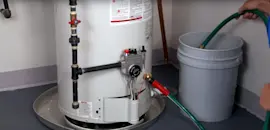
- Flush the tank periodically to reduce sediment
- Inspect and replace the anode rod when it is heavily worn (see anode 33 in 100108260)
- Replace a failing heating element promptly (see element 100108290)
- Check for moisture at access panels and around element gaskets
- Keep access covers in place to protect wiring and thermostats
Once the tank itself starts leaking, replacement is the practical fix. Preventive maintenance focuses on protecting the tank from corrosion and keeping the heating system (elements, thermostats, wiring) from running under extra stress.
Last updated: February 2026
What is usually the most common water heater problem?
The most common problem we see with electric water heaters like Kenmore model 153586400 is sediment (mineral) buildup in the tank, which reduces heating efficiency and can cause popping or rumbling noises. The next most common issues are no hot water from a failed heating element or thermostat, and leaks at fittings or valves.
- Sediment buildup: rumbling/popping sounds, slower recovery, higher electric bills
- Failed heating element: little or no hot water (often after a breaker trip)
- Bad thermostat: water too hot, not hot enough, or temperature swings
- Loose or corroded connections: moisture around fittings, intermittent heating
- Dip tube issues: hot water runs out unusually fast
For model-specific access points, wiring, and service steps, use the 153586400 owner's manual.
- Listen for popping or rumbling during a heat cycle (sediment clue).
- Check hot water duration: if it runs out fast, the dip tube or element is a common suspect.
- Look for moisture around the access panels and plumbing connections.
- Verify power at the breaker (electric water heaters commonly use 240V).
If you plan to test electrical parts, use a meter correctly; our how to use a multimeter to test electrical parts video helps you do that safely.
| Symptom | Most likely cause | Parts commonly involved for 153586400 |
|---|---|---|
| No hot water | Burned-out element, tripped reset | Element 100108290, thermostat 100108683 |
| Water too hot or not hot enough | Thermostat out of calibration/failing | Thermostat 100108421, thermostat 100108683 |
| Hot water runs out fast | Dip tube damaged | Water heater dip tube 100265094 |
Sediment buildup makes the heater work harder, which shortens component life (heating elements and thermostats) and can lead to overheating symptoms. Catching it early keeps recovery time and energy use under control.
Last updated: February 2026
What's the difference between a 3800 watt and a 4500 watt water heater?
A 4500-watt electric water heater generally heats water faster and delivers more hot water per hour than a 3800-watt unit; for a Kenmore 153586400 electric water heater, the key tradeoff is that higher wattage can require heavier wiring and a correctly sized breaker. For model-specific electrical ratings and element specs, use the 153586400 owner's manual.
- Recovery rate (speed): 4500W typically reheats the tank faster after heavy use.
- Hot water availability: faster recovery means more back-to-back showers.
- Electrical demand: 4500W draws more amps than 3800W at the same voltage.
- Wiring and breaker sizing: higher wattage often needs a larger circuit and proper wire gauge.
- Element compatibility: you must match the element’s voltage and watt rating to the heater’s design.
| Wattage | Approx. current draw | What you’ll notice most |
|---|---|---|
| 3800W | ~15.8 amps | Slower recovery, lower electrical load |
| 4500W | ~18.8 amps | Faster recovery, higher electrical load |
- You are replacing an older 3800W heater and want to keep the existing circuit.
- Your panel capacity is limited and upgrading the circuit is not practical.
- Your household hot water demand is moderate (fewer consecutive uses).
- You regularly run out of hot water during peak times.
- You want quicker recovery after laundry, dishwashing, or multiple showers.
- Your electrical circuit is correctly sized for the higher load.
Wattage does not change tank size; it changes how quickly the heater can replace used hot water. Choosing the wrong wattage (or installing the wrong element) can cause nuisance tripping, slow heating, or premature part wear.
If you are servicing heating performance, these model-related parts are often involved:
- Element 100108290 (heating output)
- Water heater heating element gasket 100108379 (helps prevent leaks after element removal)
- Thermostat 100108421 (controls lower element heating)
Last updated: February 2026