Error Codes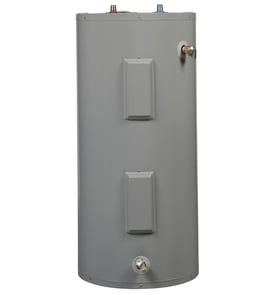



How much does it cost to install a new 50-gallon electric water heater?
Installing a new 50-gallon electric water heater typically costs $800 to $2,500 total (unit plus professional installation). This price range applies to a standard 50-gallon electric replacement; your final cost depends on electrical code updates, plumbing changes, permits, and access.
- Electrical work: breaker, wiring, disconnect, or panel updates
- Plumbing updates: shutoff valve, piping changes, expansion tank, pan and drain line
- Permits and inspection: required in many areas
- Removal and disposal: haul-away of the old tank
- Location and access: tight closets, attics, or long pipe runs increase labor
| Cost item | Typical range | What it covers |
|---|---|---|
| Water heater (50-gallon) | $400 to $1,200 | Brand, warranty length, efficiency |
| Labor (remove and replace) | $300 to $1,200 | Swap-out vs. rework, access |
| Electrical upgrades | $0 to $800+ | Circuit, disconnect, panel work |
| Plumbing add-ons | $0 to $600+ | Valves, expansion tank, piping |
| Permit/inspection | $0 to $300+ | Local requirements |
- Confirm tank size (50-gallon) and voltage (most are 240V)
- Ask if the quote includes permit, haul-away, and new shutoff valve
- Verify whether an expansion tank or drain pan is required by local code
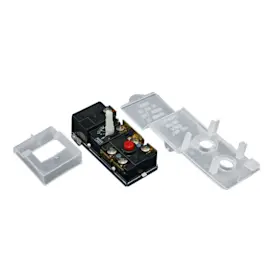
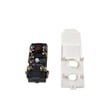
- If you are troubleshooting before replacing, common repair items include a heating element or thermostat (for example, the thermostat 100108421 on some Reliance models)
A low quote often excludes electrical or plumbing updates that affect safety, reliability, and recovery time. A complete quote helps prevent surprise add-ons and ensures the new heater performs correctly.
For planning and DIY background on common water heater repairs and replacement considerations, see water heater common questions.
Last updated: January 2026
Is it cheaper to repair or replace a water heater?
For a Reliance 630DORT electric water heater, it’s usually cheaper to repair when the issue is limited to serviceable parts (like a thermostat or heating element). Replacement makes more sense when the tank is leaking or badly rusted, or when repeated repairs are adding up.
- Repair when you have no tank leak and symptoms point to a control or heating issue.
- Replace when the tank itself is failing (leaks, heavy corrosion) because the tank is not a practical repair.
- Lean toward replacement if you have frequent breakdowns or multiple parts failing close together.
A practical rule we use: repair is the better value when the repair total is less than about 50% of the cost of a comparable new water heater (including labor if you are hiring it out).
| Situation | Best choice | Why |
|---|---|---|
| No hot water or slow recovery | Repair | Often caused by a failed thermostat or heating element |
| Water temperature swings | Repair | Commonly thermostat related |
| Water around the base of the heater | Replace | Tank leak is not a normal “part swap” fix |
| Rusty water from hot side only | Replace (often) | Can indicate internal tank corrosion |
If your Reliance 630DORT is otherwise in good shape, these are the kinds of parts that often restore normal operation:
- Thermostat 100108683 (upper temperature control)
- Thermostat 100108421 (lower temperature control)
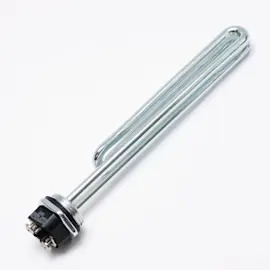
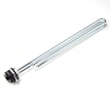
- Element 100108283 (electric heating element)
A water heater tank failure can cause ongoing water damage and downtime, while a thermostat or element repair can bring back reliable hot water quickly at a much lower cost than a full replacement.
For step-by-step help on a common repair, use our how to replace an electric water heater heating element guide.
Last updated: January 2026
What is the average cost to replace a 30 gallon water heater?
Replacing a 30-gallon water heater typically runs $700 to $2,100 installed, with many homeowners landing around $1,200 to $1,800 for a straightforward swap. For a Reliance 630DORT electric water heater, costs usually stay toward the lower end unless plumbing, electrical, or code upgrades are needed.
- Type of heater: standard electric tank is usually less than gas or heat pump
- Labor and access: tight closets, attic installs, or hard-to-reach shutoffs add time
- Code and permit requirements: expansion tank, seismic strapping, drain pan, or discharge piping
- Electrical work: new breaker, wire, or disconnect if the existing circuit is not compliant
- Disposal and haul-away: old tank removal fees vary by area
| Cost item | Typical range | Notes |
|---|---|---|
| 30-gallon electric tank | $350 to $900 | Unit price varies by efficiency and brand |
| Labor (remove and replace) | $300 to $1,000 | Higher with difficult access or modifications |
| Permit and code items | $50 to $400 | Depends on local requirements |
| Misc. materials | $50 to $250 | Fittings, valves, flex lines, pipe, electrical parts |
If you are repeatedly losing hot water, tripping a breaker, or seeing heavy sediment, replacing the heater can be more cost-effective than stacking repairs. If the issue is isolated, a repair may restore performance quickly.
Common repair parts on electric tanks include:
- Heating element
- Upper or lower thermostat
- Drain valve
For example, if you are troubleshooting inconsistent heating, the thermostat 100108683 (upper) or thermostat 100108421 (lower) may be involved.
A realistic budget helps you decide between a basic replacement and an upgrade, and it prevents surprise add-ons like code-required safety items. It also helps you compare a full replacement quote against targeted repairs.
For repair planning, we use guides like how to replace an electric water heater heating element to estimate effort and parts needed.
Last updated: January 2026
What is the highest rated electric water heater?
There is no single “highest rated” electric water heater for every home; the best choice depends on your hot-water demand, space, and energy goals. For most households, we see the strongest overall satisfaction with heat pump (hybrid) models for efficiency and standard electric tank models for simpler installs and lower upfront cost.
Use these factors to match the right type to your needs:
- Capacity and first-hour rating: size for your household and peak usage.
- Efficiency: heat pump (hybrid) units typically cost less to run than standard electric tanks.
- Warranty and tank design: longer warranties often track with heavier-duty builds.
- Noise and location: hybrids use a fan and need airflow; garages and basements are common.
- Serviceability: availability of common replacement parts (thermostats, elements, valves).
| Type | What it’s best at | Typical tradeoff |
|---|---|---|
| Heat pump (hybrid) electric | Lowest operating cost, strong owner satisfaction | Higher upfront cost; needs space and airflow |
| Standard electric tank | Simple replacement, widely available | Higher operating cost than hybrid |
| Tankless electric | Endless hot water in theory | Often needs major electrical upgrades; performance depends on incoming water temp |
If you are comparing a new water heater to your Reliance 630DORT, “highest rated” should also mean “easiest to maintain.” Many performance complaints come from normal wear items like thermostats and heating elements, not the tank itself.
If your current unit is underheating or slow to recover, checking and replacing common parts can restore performance:
- Thermostat 100108683 (upper)
- Thermostat 100108421 (lower)
- Element 100108283
- Confirm your household size and peak hot-water use (showers, laundry, dishwasher).
- Compare EnergyGuide operating cost estimates between models.
- If you want efficiency, prioritize hybrid heat pump models.
- If you want simplest swap, choose a standard electric tank with similar capacity.
- For maintenance and common fixes, use water heater common questions.
Last updated: January 2026
What is the life expectancy of a Reliance water heater?
A Reliance electric water heater like model 630DORT typically lasts 8 to 12 years. With consistent maintenance and good water quality, many units reach 10 to 15 years before tank corrosion, sediment damage, or heating performance issues make replacement the better choice.
Most tank-style electric water heaters age based on heat cycles and internal corrosion. These factors have the biggest impact:
- Water hardness and sediment level (more sediment shortens element and tank life)
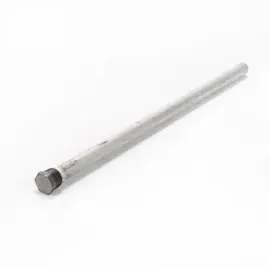
- Anode rod condition (a worn anode speeds up tank rust)
- Thermostat settings (higher temps increase stress and scale)
- Frequency of flushing and maintenance
- Leak history around fittings, valves, or the tank seam
If you see these symptoms, plan for repair or replacement soon:
- Rust-colored hot water or metallic odor
- Rumbling or popping sounds (sediment on the heating element)
- Hot water runs out faster than it used to
- Fluctuating water temperature
- Moisture or active leaking from the tank body
Use this as a practical rule-of-thumb for a Reliance 630DORT.
| What you’re seeing | Most likely cause | Best next step |
|---|---|---|
| No hot water but tank is not leaking | Failed heating circuit | Test/replace the heating element or thermostat |
| Water too hot or inconsistent | Thermostat out of calibration or failing | Replace the upper or lower thermostat |
| Leaking from tank seam/body | Internal tank corrosion | Replace the water heater |
| Rumbling and slow recovery | Heavy sediment buildup | Flush tank; consider element replacement |
When the tank itself is still sound, these parts often restore performance:
- Thermostat 100108683 (upper temperature control)
- Thermostat 100108421 (lower temperature control)
- Element 100108283 (electric heating element)
A water heater usually fails in two ways: performance loss (thermostats or heating element) or tank failure (corrosion). Replacing controls and an element can be cost-effective, but once the tank is leaking, replacement is the reliable fix.
Last updated: January 2026
Why do plumbers not recommend tankless water heaters?
Plumbers often steer customers away from tankless water heaters because the install and long-term upkeep are less forgiving than a standard tank, especially in hard-water homes. For many households, a conventional electric tank like the Reliance 630DORT is simpler to size, easier to service, and more predictable day to day.
- Higher install complexity and cost: tankless units often need upgraded gas piping, venting, or electrical capacity.
- Hard water sensitivity: scale buildup can reduce flow and heating performance without regular descaling.
- Maintenance expectations: many tankless systems need routine flushing and inlet screen cleaning.
- Performance tradeoffs: limited flow at high temperature rise can mean lukewarm water when multiple fixtures run.
- More “no hot water” calls: error codes, sensors, and flow requirements can create nuisance shutdowns.
| Topic | Tankless water heater | Tank water heater (like Reliance 630DORT) |
|---|---|---|
| Upfront cost | Higher | Lower |
| Installation | More involved | Usually straightforward replacement |
| Maintenance | Regular descaling | Periodic draining and basic checks |
| Hard water impact | Higher risk of scale issues | Still affected, typically less sensitive |
| Hot water delivery | Endless in theory, flow-limited | Stored hot water, recovery-based |
Tankless can be a strong choice when the home has adequate gas or electrical capacity, the unit is sized for peak demand, and the owner will keep up with maintenance.
On an electric tank water heater, the most common service items are thermostats and heating elements. If you are troubleshooting inconsistent heating, checking the upper and lower thermostats and the element is a practical first step; see thermostat 100108683 and element 100108283.
Choosing the wrong water heater type for your home can lead to higher operating costs, inconsistent hot water, and more service visits. Matching the heater to your water quality, fuel type, and peak demand prevents most “regret” installs.
Last updated: January 2026