Owner’s manual
 Error Codes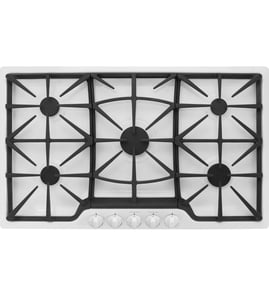





How much does a 48 inch Viking range weigh?
A 48-inch Viking range or rangetop weight varies by the exact series and configuration (oven range vs. built-in rangetop, griddle/grill options). For the Viking VGRT48 rangetop family, plan on a heavy, two-person (or more) move and confirm the exact shipping weight in the VGRT48 owner's manual.
Most 48-inch pro-style gas ranges and rangetops fall into a broad weight range depending on construction and features.
- Built-in gas rangetops (like VGRT48): often 200 to 350 lb
- 48-inch freestanding ranges with ovens: often 350 to 600 lb
- Added options (griddle, grill, thicker grates) can increase weight
- Crating and packaging can add 50 to 150 lb to shipping weight
Use these checks to match the correct spec to your appliance.
- Verify the model number on the rating plate: VGRT48
- Check the specifications section in the VGRT48 owner's manual
- If you are measuring for delivery, use shipping weight, not installed weight
- If you are planning a countertop/cabinet install, confirm your cabinet support and floor capacity
| What you are doing | Weight number to use | Why |
|---|---|---|
| Delivery and moving | Shipping weight | Includes packaging and is the heaviest case |
| Setting into cutout | Product weight | Closer to what the cabinet supports |
| Floor protection planning | Higher of the two | Prevents cracked tile and gouged wood |
Weight affects safe handling, floor protection, and whether your cabinet base and fasteners can support the rangetop. It also helps you plan the right number of helpers and moving equipment (appliance dolly, straps, plywood runners).
Last updated: January 2026
What is the difference between a gas cooktop and a gas rangetop?
A gas cooktop is typically a drop-in burner unit that installs into a countertop, while a gas rangetop (like the Viking VGRT48) is a heavier, built-in, professional-style cooking surface designed to sit on a base cabinet and often uses more robust components, grates, and controls. For exact use, care, and safety details for your unit, follow the VGRT48 use and care manual.
| Feature | Gas cooktop | Gas rangetop (VGRT48 style) |
|---|---|---|
| Installation | Drops into a cutout in the countertop | Built-in, pro-style unit that fits into cabinetry |
| Look and feel | Sleeker, minimal profile | Heavier-duty, commercial-style presence |
| Controls | Often on the top surface | Often “push-to-turn” style knobs designed to be child-safe |
| Service approach | More compact access | More serviceable assemblies and pro-style layout |
- Choose a gas cooktop if you want a cleaner, low-profile look and plan to pair it with a wall oven.
- Choose a gas rangetop if you want a pro-style layout, larger continuous grates, and a more heavy-duty cooking platform.
- Plan ventilation around cooking style; higher-heat, frequent searing benefits from stronger ventilation.
- Consider service access; rangetops are commonly installed with cabinetry clearances that allow future servicing.
- Match parts by model; Viking parts can vary by series even when sizes look similar.
The difference affects installation planning, ventilation needs, and how you troubleshoot. For example, the VGRT48 manual notes that surface burners can be lit manually during a power failure (electric ignitors will not work), while certain features like a griddle cannot be used at all during a power failure and the grill should remain OFF for safety. Those details are specific to rangetop-style designs and how they’re built.
If you are comparing performance or troubleshooting ignition and control feel, these parts are often involved:
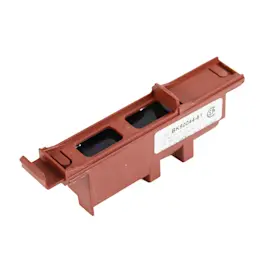
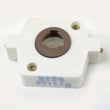
- Cooktop burner igniter switch PA020015 (spark ignition activation)
- Cooktop pressure regulator PA070003 (helps maintain proper gas pressure)
- Gas valve PB010004 (controls gas flow to a burner)
Last updated: January 2026
How long do Viking gas stoves last?
A Viking gas rangetop like model VGRT48 typically lasts 15 to 20 years with normal household use and consistent cleaning and maintenance. Heavy daily cooking, skipped cleaning, and delayed repairs can shorten lifespan by causing burner, ignition, and gas-control wear.
Most premium gas rangetops reach the 15 to 20 year range when key wear items are kept clean and serviced promptly.
- Cleaning frequency: grease and boilovers accelerate corrosion and clog burner ports
- Ignition use: frequent clicking and moisture can wear igniters and switches
- Gas quality and pressure: incorrect pressure can cause poor flames and overheating
- Ventilation: poor venting increases heat stress on knobs, wiring, and controls
- Repair timing: fixing small issues early prevents damage to valves and wiring
Use the care and cleaning guidance in the VGRT48 use and care manual and focus on these habits:
- Keep burner caps and grates clean and fully seated after cleaning
- Wipe spills quickly (especially sugary or acidic spills)
- If igniters keep clicking, dry the area and clean around the burner base
- Avoid forcing knobs; replace loose or cracked knobs before they strip the valve stem
- Schedule service if you smell gas, see very uneven flames, or burners won’t adjust
These parts do not mean the rangetop is “worn out”; they are normal service items.
| Symptom | Often involved area | Example part for VGRT48 |
|---|---|---|
| Burner won’t spark or keeps clicking | Ignition switch/ignition circuit | Cooktop burner igniter switch PA020015 |
| Knob is cracked, loose, or won’t turn smoothly | Knob/valve interface | Cooktop burner knob PA010039 |
| Weak or unstable flames across burners | Gas supply regulation | Cooktop pressure regulator PA070003 |
A rangetop that is cleaned regularly and repaired early holds steadier flame control, lights more reliably, and avoids heat and grease damage that can shorten the life of gas valves, wiring, and ignition components.
Last updated: January 2026