Owner’s manual
 Error Codes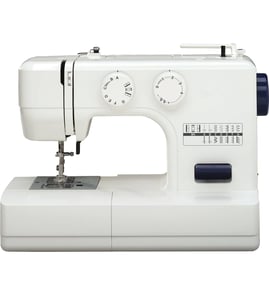

How old is a Kenmore 385 sewing machine?
Kenmore “385” sewing machines span multiple production eras, so age depends on the full model number. For your Kenmore sewing machine model 38517624890 (manual lists model family 385.17624), it’s an older mechanical household machine; use the serial number and the model tag details in the 38517624890 owner's manual to narrow the production timeframe.
We use a few identifiers together because “385” is a large model family.
- Confirm the exact model on the ID plate: 38517624890 (sometimes shown as 385.17624)
- Record the serial number exactly as printed (letters and numbers)
- Note where the machine was sold or labeled (Sears branding, country of manufacture)
- Compare your machine’s features to the manual (stitch selector style, light/power switch, drop feed)
- If your machine displays codes, match them to the correct family reference
Most Kenmore mechanical sewing machines place the identification plate in one of these spots:
- Back of the machine near the power cord receptacle
- Underside of the base (tilt the machine back carefully)
- Behind the faceplate or near the handwheel side
This model’s manual describes classic mechanical features such as a foot controller for speed control and routine oiling points, which are common on vintage-era Kenmore machines.
| Clue you see | What it typically suggests | What to do next |
|---|---|---|
| Mechanical dials/levers (not a digital screen) | Earlier production style | Match controls to the manual diagrams |
| Needs periodic oiling | Traditional mechanical build | Follow oiling points in the manual |
| Foot controller varies speed | Standard on many older machines | Verify controller model listed in the manual |
Knowing the approximate age helps us choose the right maintenance approach (cleaning, oiling, belt condition) and prevents ordering the wrong parts for a different “385” variation.
If you’re seeing any error indicators or you’re trying to confirm which 385 subgroup you have, use Kenmore 385 error codes as a quick cross-check alongside your model and serial information.
Last updated: February 2026
Is it worth repairing an old sewing machine?
Yes, repairing an older Kenmore sewing machine is usually worth it when the machine is mechanically solid and the repair targets a specific wear item or adjustment (timing, tension, drive belt, motor, wiring). For Kenmore model 38517624890, the long mechanical warranty coverage listed in the owner's manual is a strong sign this model was built to be serviced and kept running.
We recommend repairing your older machine when you can answer “yes” to most of these:
- The handwheel turns smoothly (or frees up after cleaning lint and rethreading).
- The needle bar moves and the machine forms stitches, even if stitches are inconsistent.
- The issue is isolated (skipping stitches, thread breaking, sluggish running, fabric not feeding).
- You use it enough that a tune-up will pay off in reliability.
- You want to keep a familiar machine that already fits your sewing style.
Replacement is the better value when you see multiple major problems at once:
- Burnt smell, sparking, or intermittent power (cord, foot control, switch, wiring).
- Severe knocking or grinding that continues after cleaning and oiling.
- Repeated thread jams that bend needles and lock the machine.
- Cracked housings or damaged internal mounts that prevent stable alignment.
Use this simple comparison to decide before you spend money.
| What you’re facing | Typical fix | Usually worth repairing? |
|---|---|---|
| Fabric not moving | Feed dog cleaning, presser foot checks, adjustment | Yes |
| Machine locks up | Remove jam, clean hook area, rethread | Yes |
| Motor won’t run | Switch, motor, wiring diagnosis | Depends |
| Loud knocking | Cleaning, lubrication, internal inspection | Depends |
A well-maintained mechanical sewing machine can deliver consistent stitch quality for decades, and many problems are caused by lint buildup, incorrect threading, dull needles, or tension setup rather than a “bad machine.” Starting with the correct operating and care steps in the owner's manual prevents repeat failures after a repair.
For symptom-based help, we use these guides to narrow the repair quickly:
Last updated: February 2026
What are the features of the Kenmore 385?
The Kenmore sewing machine model 38517624890 is a mechanical machine designed for straightforward stitch selection and speed control using a foot control. Key everyday features include a stitch selector, adjustable stitch length, and a light/power switch that helps prevent accidental starts when the machine is left unattended.
- Foot control speed control: press harder to sew faster, release to slow down.
- Light/power switch: powers both the motor and the light; turning it OFF helps prevent accidental operation.
- Stitch selector: choose the stitch by turning the selector.
- Stitch length control: certain stitches require the length control set to a specific setting (noted in the instructions).
- Factory lubrication: the machine is oiled at the factory; wiping excess oil before first use helps prevent staining fabric.
- Routine oiling points: periodic oiling keeps the machine running smoothly; use Kenmore sewing machine oil.
We recommend following the setup steps in the owner's manual so the machine runs smoothly from the first stitch.
| Feature | What it does | Why you care |
|---|---|---|
| Foot control | Varies speed from zero to high | Better control on corners and thick seams |
| Polarized plug | Fits one way in a polarized outlet | Helps reduce electric shock risk |
| Light/power switch | Enables motor and light | Prevents accidental starts when unattended |
| Stitch selector and length control | Sets stitch type and length | Helps match stitches to fabric and task |
Most “performance problems” on a mechanical Kenmore 385 series machine come down to setup and maintenance: correct stitch selection, correct stitch length setting, and keeping the hook/bobbin area clean and properly oiled.
If your model displays codes or you are diagnosing a stitch or feed issue, use Kenmore 385 error codes for model-family guidance.
Last updated: February 2026
What is the most trouble-free sewing machine?
The most trouble-free sewing machine is usually a simple, well-maintained mechanical model with solid build quality and easy-to-service parts. For everyday home sewing, we see the fewest ongoing issues when you choose a proven brand and avoid extra features you will not use; your Kenmore 38517624890 is a good example of a straightforward mechanical platform when it is cleaned, oiled (as directed), and threaded correctly using the owner's manual.
Even the best sewing machine can jam or skip stitches if setup is off. In practice, “trouble-free” means:
- Consistent stitch formation (straight and zigzag) without frequent tension changes
- Smooth fabric feeding without stalling or bunching
- Minimal thread breaks when using the right needle and thread
- No recurring lockups when the bobbin area is kept lint-free
- Predictable operation with basic maintenance
We recommend prioritizing simplicity and serviceability over a long feature list.
- Mechanical stitch selection (fewer electronics to troubleshoot)
- Strong internal drive components (durable gears and shafts)
- Easy access to bobbin and feed dog area for cleaning
- Common needle system and readily available presser feet
- A model with clear threading and tension guidance in the manual
- Paying for decorative stitches you will rarely use
- Running heavy fabrics without the correct needle size
- Old, brittle wiring or a damaged power cord/foot control
- Skipping routine lint removal around the hook/bobbin area
Use this checklist to keep a mechanical sewing machine running smoothly.
| Item | Best practice | What it prevents |
|---|---|---|
| Needle | Replace regularly; match needle type to fabric | Skipped stitches, thread breaks |
| Threading | Rethread with presser foot up | Tension issues, looping |
| Bobbin | Use the correct bobbin style; wind evenly | Jams, inconsistent stitches |
| Cleaning | Remove lint frequently in bobbin area | Lockups, noisy running |
| Speed | Start slower on thick seams | Needle deflection, timing stress |
Many reliability complaints are actually setup or drive issues, but if your Kenmore displays an error, use the Kenmore 385 error codes guide to narrow it down quickly.
A “trouble-free” machine saves time because you spend less effort rethreading, clearing jams, and rebalancing tension. Mechanical models like the Kenmore 38517624890 also tend to be more forgiving for basic repairs and routine care when you follow the correct operating steps.
Last updated: February 2026