Owner’s manual


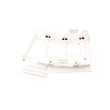

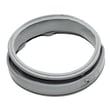
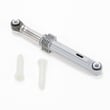
What is the life of LG washing machine?
LG washing machines typically last 10 to 15 years. For your LG WM2650HRA washer, the exact lifespan depends most on load size, installation/leveling, water quality, and routine maintenance; we recommend following the care steps in the WM2650HRA owner’s manual.
Typical lifespan and what affects it
Most washers reach the end of their service life due to wear on moving parts, seals, and drainage components rather than the cabinet itself.
Common factors that shorten washer life:
- Frequent overloading or consistently washing heavy items
- Too much detergent (especially in HE front-load washers), leading to residue and odors
- Poor leveling, which increases vibration and stress on suspension and bearings
- Not cleaning the drain pump filter, causing slow drains and pump strain
- Leaving the door closed between loads, trapping moisture
Maintenance habits that help WM2650HRA last longer
We see the best longevity when owners stick to a simple routine:
- Run the tub clean cycle on a regular schedule
- Use HE detergent and measure carefully
- Wipe the door boot and leave the door slightly open after use
- Check pockets to prevent coins, screws, and debris from reaching the pump
- Clean the drain pump filter if you notice slow draining or water left in the tub
If you’re dealing with draining issues, inspecting the washer drain pump filter 383EER2001A early can prevent damage to the pump.
Quick guide: what “wear” looks like over time
| Symptom | Often related to | What to do first |
|---|---|---|
| Won’t drain or drains slowly | Drain pump filter, drain hose, pump | Clean filter, check hose for kinks |
| Leaks at the door | Door boot, clamps | Inspect boot for tears and residue |
| Loud rumbling in spin | Bearings, suspension | Stop use if severe; inspect for play/noise |
| Excess vibration | Leveling legs, shock absorbers | Re-level washer; reduce load size |
Why it matters
A washer that is cleaned, leveled, and not overloaded usually avoids the most expensive failures (pump damage, bearing wear, and chronic leaks). That is the difference between replacing a small part and replacing the washer.
Last updated: January 2026
What is the most common problem with the LG washing machine?
For the LG WM2650HRA washer, the most common day-to-day complaint we see is “won’t drain” or “won’t spin,” which is often caused by a restriction in the drain path (pump filter area, tub-to-pump hose, or drain hose). Use the steps in the WM2650HRA manual to safely access and clean the drain system.
What to check first (fast, no parts)
- Unplug the washer.
- If there’s standing water, drain it using the small drain tube at the pump access area (if your unit is equipped).
- Clean the pump filter area and remove coins, lint, hair pins, and small items.
- Check the standpipe or laundry tub for a slow household drain.
- Inspect the drain hose for kinks, crushing, or being pushed too far down the standpipe.
- Run a Drain/Spin cycle empty to confirm normal draining.
When a part is likely involved
If the drain path is clear but the washer still drains slowly, won’t drain, or you hear a hum without water moving, the drain pump system is a common next suspect on this model.
Parts that commonly relate to drain problems on WM2650HRA include:
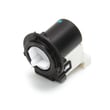
- Drain pump motor (4681EA2001T) - washer part by LG electronics 4681EA2001T
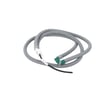
- Washer drain hose 5215ER2002G
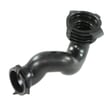
- Washer tub-to-pump hose 4738ER1002A
Quick symptom-to-cause guide
| Symptom | Most likely cause | What we recommend |
|---|---|---|
| Tub full of water, won’t drain | Clog in filter area or drain hose routing | Clean filter area, correct hose installation |
| Hums but won’t pump | Pump jammed or failing | Check for debris; replace pump if needed |
| Drains slowly | Partial restriction in hose or standpipe | Clear restriction; verify standpipe flow |
| Won’t spin after a drain issue | Drain did not complete | Fix drain first; then retry spin |
Why it matters
On WM2650HRA, the washer typically won’t go into high-speed spin until it senses the water has drained. Keeping the drain path clear helps prevent wet loads, cycle interruptions, and extra strain on the drain pump.
Last updated: January 2026
What is the capacity of the LG WM2650HRA?
The LG WM2650HRA front-load washer has a 3.6 cu. ft. capacity (the tub volume used to estimate how much laundry you can wash per load). For model-specific loading tips and cycle guidance, use the WM2650HRA manual.
What 3.6 cu. ft. means for everyday loads
A 3.6 cu. ft. LG washer is a practical size for routine household laundry and many medium bedding loads when you avoid overpacking.
- Load loosely so items can tumble; do not pack the drum tight
- Keep bulky items balanced (mix similar items, avoid one heavy piece alone)
- Use HE detergent to prevent oversudsing in a front-load washer
- Choose the correct cycle for towels and bedding to reduce vibration
- Leave some space at the top of the load for better wash action
Quick capacity reference
| Capacity (cu. ft.) | Typical use | Notes |
|---|---|---|
| 3.0 to 3.5 | Smaller households | More frequent loads |
| 3.6 | Everyday family laundry | Balanced size for most loads |
| 4.5+ | Larger households, bulky items | Fewer loads, larger drum |
If heavy loads lead to slow draining
On the WM2650HRA, slow draining after large loads is often related to the drain path (filter area, hoses, or pump). If you find damage or a leak while checking the drain area, these model-compatible parts are common fixes:
- Drain pump motor (4681EA2001T) - washer part by LG electronics 4681EA2001T (moves water out of the tub)
- Washer drain pump filter drain hose 5214FR4006G (small drain hose used when emptying the filter area)
- Washer drain hose 5215ER2002G (main hose carrying water to the home drain)
Why it matters
Capacity affects cleaning performance and washer longevity. Overloading can cause poor rinsing, longer cycle times, and extra strain on components such as the door boot, suspension, and drain system.
Last updated: January 2026