Error Codes



What is the normal lifespan of an electric water heater?
A Kenmore 153324462 40-gallon electric water heater typically lasts 10 to 15 years. Regular tank flushing, correct temperature settings, and replacing wear items like the anode rod can help you reach the upper end of that range.
Typical lifespan and what changes it
Most electric water heaters fall into a predictable range, but water quality and maintenance make a big difference.
- 10 to 15 years is the normal lifespan for an electric tank water heater
- Hard water and heavy use can shorten life
- Regular flushing reduces sediment that can overheat elements
- A healthy anode rod slows tank corrosion
- Leaks from the tank itself usually mean replacement (not a repair)
Parts that most often extend service life
These are common maintenance or failure items for this model that can improve performance and help prevent early replacement:
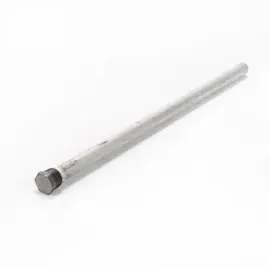
- Replace a depleted anode rod: anode rod 100108260
- Fix temperature control issues: thermostat 100108683 (upper) and thermostat 100108421 (lower)
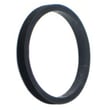
- Stop element seepage after service: water heater heating element gasket 100108379
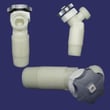
- Address poor hot water delivery caused by mixing: dip tube 100108609
Quick “repair vs. replace” guide
| Symptom | Most likely cause | Usually worth repairing? |
|---|---|---|
| Not enough hot water | Thermostat out of calibration, failed element, sediment | Yes |
| Water too hot or fluctuating | Thermostat issue | Yes |
| Rumbling or popping | Sediment buildup | Yes (flush) |
| Water leaking from tank body | Internal tank corrosion | No (replace heater) |
Why it matters
Once a tank starts corroding internally, efficiency drops and the risk of a sudden leak goes up. Replacing maintenance parts on schedule (especially the anode rod) is the most effective way to protect the tank and get the full expected lifespan.
Last updated: February 2026
How do I reset an electric water heater?
To reset your Kenmore 153324462 40-gallon electric water heater, shut off power at the breaker, remove the upper access panel, and press the red high-limit reset button on the upper thermostat until it clicks. Restore insulation and covers, then turn power back on.
Safety first (do this every time)
- Turn OFF the water heater circuit breaker (240V) and confirm power is off.
- Let hot water cool if the tank has been overheating.
- Keep the access area dry; never work with wet hands.
- Do not run the heater with insulation or access covers removed.
- If you smell burning or see melted wiring, keep power off and contact a technician.
Reset steps (typical Kenmore electric water heater)
- Turn OFF the breaker.
- Remove the upper access panel.
- Fold back insulation and the plastic shield (if present).
- Press the red reset button on the upper thermostat.
- Reinstall the shield, insulation, and access panel.
- Turn the breaker ON.
If the reset trips again, what it usually means
A repeat trip points to overheating or an electrical fault. These are the most common causes:
- Thermostat contacts stuck closed or out of calibration
- Heating element shorted to ground or failing
- Loose/burned wire connection at the thermostat or element
- Tank overheating from sediment buildup around the element
Common parts that relate to repeat tripping
| Symptom | Most likely area | Part you may need (if it matches your diagnosis) |
|---|---|---|
| Water gets dangerously hot | Upper temperature control | Thermostat 100108683 |
| Not enough hot water, then trips | Lower temperature control | Thermostat 100108421 |
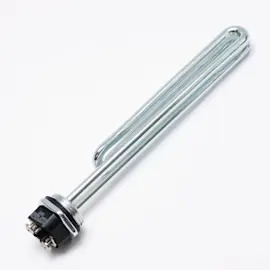
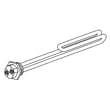
| Breaker trips or reset won’t hold | Heating circuit | Element 100287290 |
Why it matters
The reset button is a high-limit safety device. If it trips, the heater is protecting you from unsafe water temperatures and potential wiring damage. Resetting is fine once; repeated trips mean you should correct the underlying cause.
Last updated: February 2026
Is a 4500 watt or 5500 watt water heater better?
A 5500-watt element is better when you want faster recovery (hot water comes back sooner after heavy use); a 4500-watt element is better when you want to match the original electrical design of your Kenmore 153324462 40-gallon electric water heater and avoid overloading the circuit.
What “better” means in real use
Wattage mainly changes recovery rate, not tank size. With the same 40-gallon tank, a higher-watt element typically reheats water faster after showers, laundry, or dishwashing.
Typical differences you’ll notice:
- Faster back-to-back showers with 5500W
- Less waiting after a large tub fill with 5500W
- Similar “how much hot water fits in the tank” for both
- Higher electrical demand with 5500W
Compatibility checks before switching to 5500W
For model 153324462, the “best” choice is the one that matches your heater’s rating and wiring.
Check these items before changing wattage:
- Voltage rating (most residential electric water heaters are 240V)
- Breaker size and wire gauge (must support the higher amperage)
- Element style and mounting (must match the tank opening)
- Thermostat condition (weak thermostats can cause temperature swings)
- Signs of overheating at terminals or wiring (stop and repair before upgrading)
If you’re troubleshooting slow heating, replacing a failed element or thermostat often fixes the problem without changing wattage. For this model, common service parts include the element 100287290 and thermostats such as the thermostat 100108683.
Quick comparison
| Option | Best for | Tradeoff |
|---|---|---|
| 4500W element | Matching many original designs; steady performance | Slower recovery after heavy use |
| 5500W element | Faster recovery; higher demand households | Requires adequate wiring and breaker capacity |
Why it matters
Choosing the correct wattage protects the heater’s electrical components and your home wiring. If the circuit is undersized, a higher-watt element can trip the breaker or overheat connections; if the circuit is properly sized, 5500W improves recovery and comfort.
Last updated: February 2026
What is usually the most common water heater problem?
The most common problem we see on water heaters like the Kenmore 153324462 40-gallon electric water heater is reduced hot water output caused by sediment buildup in the tank or an electrical heating issue (a failed heating element or a thermostat that is not regulating temperature correctly).
What you will notice first
- Hot water runs out faster than it used to
- Water is lukewarm or turns cold during a shower
- Rumbling, popping, or crackling sounds (often sediment on the bottom of the tank)
- Temperature swings (too hot, then too cool)
- Small leaks at fittings or the drain valve area
Most common causes (and the parts involved)
For this Kenmore electric model, the most frequent root causes are:
- Sediment buildup: reduces efficiency and can overheat the lower element area
- Thermostat problems: incorrect temperature control or no heat call (see thermostat 100108683 for an upper control example)
- Heating element problems: slow recovery or no hot water (see element 100287290)
- Anode rod wear: accelerates tank corrosion and can contribute to odor issues (see anode rod 100108260)
- Dip tube damage: hot water mixes too quickly with incoming cold water (see dip tube 100108609)
Quick checks we recommend (safe, practical triage)
- Confirm the breaker is on and the water heater has power.
- Listen for rumbling or popping that points to sediment.
- Check for visible moisture at the T&P valve discharge pipe, element access covers, and plumbing connections.
- If hot water is inconsistent, test thermostats and elements with a meter.
- If the tank is older and performance keeps dropping, inspect the anode rod condition.
Symptom-to-likely-cause guide
| Symptom | Most likely cause | Common next step |
|---|---|---|
| No hot water | Upper thermostat or element issue | Test upper thermostat and element |
| Hot water runs out fast | Sediment, lower element, dip tube | Flush tank; test lower heating circuit |
| Rumbling/popping | Sediment buildup | Flush tank and check element area |
| Water too hot | Thermostat stuck high | Replace the affected thermostat |
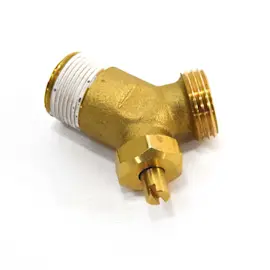
| Drips at drain area | Drain valve seepage | Replace drain valve if leaking persists |
Why it matters
Sediment and failing controls make the heater work harder, which increases energy use and shortens the life of key components like the heating element and thermostats. Catching these issues early often restores normal hot water and helps prevent bigger failures.
Last updated: February 2026
What's the average cost to replace a 50 gallon electric water heater?
Replacing a 50-gallon electric water heater typically costs $800 to $2,500 total (heater plus installation). Price is driven by the tank’s warranty tier, local labor rates, and whether plumbing or electrical updates are needed. Even though Kenmore model 153324462 is a 40-gallon unit, the same installation factors determine your final replacement price.
Typical cost breakdown
| Cost item | Typical range | What changes the price |
|---|---|---|
| 50-gallon electric tank | $500 to $1,200 | Warranty length, efficiency, brand tier |
| Installation labor | $300 to $1,000+ | Access, region, complexity |
| Materials | $50 to $300+ | Valves, connectors, piping, electrical supplies |
| Permit/inspection | Varies | Required in many areas |
What usually comes with a standard replacement
- Removal and disposal of the old water heater
- Setting and leveling the new tank
- Reconnecting hot and cold water lines
- Reconnecting electrical (same voltage and circuit type)
- Filling, purging air, leak check, and temperature setpoint check
Common add-ons that raise the total
- Electrical upgrades (breaker, wire gauge, junction box)
- Plumbing changes (shutoff valve relocation, pipe resizing)
- Code items (drain pan, seismic strapping, discharge pipe updates)
- Tight access (closet, attic, crawlspace)
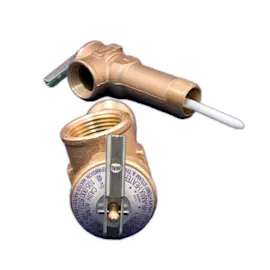
- Replacing safety components such as a T&P valve
Why it matters
If your current tank is still structurally sound, repairing a no-heat or inconsistent-temperature problem can cost far less than replacement. For Kenmore 153324462, common service parts include the water heater thermostat, upper 100108683 and the element 100287290.
Last updated: February 2026