
How do I find out what year my Murray lawn mower is?
To find the year of your Murray rotary lawn mower model 96112003300, we use the mower’s data tag (ID plate) and decode the date code printed on it. On most Murray walk-behind mowers, the date code includes a 4-digit section that indicates the build year.
Check the mower for a sticker or metal tag; it is commonly found in one of these spots:
- On the rear of the mower deck, near the handle mounts
- On the side of the deck, above a rear wheel
- Near the engine mounting area on the deck
- Under the grass bag door or near the discharge opening
Once you find the tag, look for wording such as “Date Code” or a longer serial/date string.
- Find the 4 digits after “Date Code” (or the 4-digit date segment in the code)
- In the most common format, those 4 digits represent MMYY
- MM = month built
- YY = year built
| Date segment | Meaning | Build date |
|---|---|---|
| 0399 | 03 = March, 99 = 1999 | March 1999 |
| 0712 | 07 = July, 12 = 2012 | July 2012 |
| 1020 | 10 = October, 20 = 2020 | October 2020 |
If the data tag is damaged, we use parts and hardware clues to narrow it down and keep the mower safely serviceable:
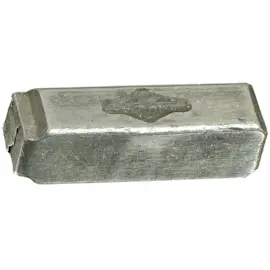
- Match your blade mounting style to the lawn mower blade adapter 581547901
- Compare wheel size and hub style to the wheel.7x1.5. 532436482
- Replace worn safety and control components such as the lawn mower zone control cable 532162778
Knowing the build year helps us match the correct Murray parts list, avoid ordering the wrong blade adapter or control cable, and choose the right maintenance schedule for fuel system and deck care.
Last updated: February 2026
How do I troubleshoot my 96112003300?
To troubleshoot a Murray 96112003300 rotary lawn mower, we start by matching the symptom (no-start, stalls, poor cut, vibration, or self-propel issues) to the most common causes: fuel, spark, airflow, blade mounting, and control cable adjustment. Work safely with the spark plug wire disconnected.
- Disconnect the spark plug wire before inspecting the blade or underside
- Let the engine cool before checking oil or cleaning debris
- Use fresh fuel; drain old fuel if it smells sour or looks dark
- Will not start: verify fuel is fresh, check oil level, clean/replace air filter, confirm spark plug condition
- Starts then dies: fuel cap vent restriction, dirty carburetor, stale fuel, choke not opening
- Runs rough or surges: partially clogged carburetor, dirty air filter, water in fuel
- Poor cut or leaves strips: dull/bent blade, blade installed upside down, deck packed with wet grass
- Strong vibration: bent blade, loose blade bolt, worn blade adapter
- Blade will not stop when you release the handle: zone control cable out of adjustment or damaged
| Problem | What to check | Part that often fixes it |
|---|---|---|
| Vibration, uneven cut | Blade mounting and adapter wear | Lawn mower blade adapter 581547901 |
| Blade control issues | Cable routing, kinks, stretch | Husqvarna lawn mower zone control cable 532162778 |
- Disconnect the spark plug wire.
- Tip the mower with the air filter and carburetor side up.
- Inspect the blade for bends or cracks; replace if damaged.
- Check the blade adapter for rounded drive features or wobble; replace if worn.
- Tighten hardware to a firm, secure fit; re-test.
Troubleshooting in a set order prevents repeat failures. For example, running with a loose blade or worn adapter can damage the crankshaft and deck, turning a small repair into a major one.
Last updated: March 2026
What is the average lifespan of 96112003300?
A Murray 96112003300 rotary lawn mower typically lasts 8 to 12 years with normal residential use and basic maintenance (cleaning, oil changes, blade service, and proper storage). The engine and deck condition usually determine whether it is worth repairing or replacing.
- Oil and air filtration: dirty oil and a clogged air filter accelerate engine wear.
- Blade impacts: hitting roots, rocks, or curbs bends the blade and stresses the crankshaft.
- Deck corrosion: wet grass buildup and storage outdoors shorten deck life.
- Drive and control wear: cables, wheels, and fasteners loosen over time.
- Fuel habits: old fuel and varnish cause hard starting and carburetor issues.
| Task | Typical interval | Why it matters |
|---|---|---|
| Change engine oil | Every season or ~25 hours | Prevents internal wear |
| Sharpen or replace blade | 1 to 3 times per season | Cleaner cut, less vibration |
| Clean underside of deck | After mowing | Reduces rust and drag |
| Check fasteners | Monthly in season | Prevents parts from loosening |
- Excessive vibration even after blade service (possible adapter or crankshaft damage)
- Persistent smoking or heavy oil consumption
- Deck rust-through or cracking near mounting points
- Repeated starting problems after fresh fuel and tune-up
If you have vibration or poor cutting after a blade change, inspect the blade mounting hardware. A worn adapter can cause wobble and uneven cutting; the correct replacement for this model is the lawn mower blade adapter 581547901.
A mower that is maintained and runs smoothly cuts cleaner, starts easier, and avoids secondary damage (like deck cracking from vibration). Small fixes early usually prevent expensive engine or deck problems later.
Last updated: March 2026