Installation guide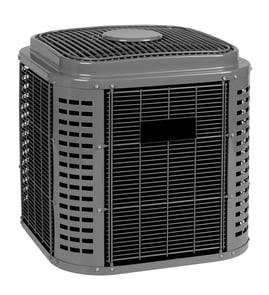





Can I replace AC parts myself?
Yes, you can replace some parts on your Icp HAC024AKA1 condensing unit yourself, mainly basic electrical and maintenance items. Any work involving refrigerant piping, charging, or service valves is professional-level; follow the installation guide for required procedures and safety warnings.
What you can usually do yourself on HAC024AKA1
These are common homeowner-level tasks when you shut off power at the disconnect and breaker first:
- Replace a failed contactor (a common “won’t start” cause)
- Replace damaged wiring leads that match the original gauge and routing
- Clean around the outdoor unit and keep coil air inlets clear (maintains airflow)
- Check that access panels are secured and wires are not rubbing on sharp edges
Jobs that are not DIY on a central AC condensing unit
The installation instructions for this type of system include refrigeration piping and service valve cautions. These tasks require specialized tools and training:
- Opening the sealed refrigerant system (line set connections, leak repair)
- Refrigerant charging or connecting gauges to service ports
- Working with service valves and valve caps (primary seal and torque requirements)
- Changing indoor-coil restrictor/orifice components used for system matching
Safety steps we use before replacing any electrical part
High voltage is present in a condensing unit. Use these steps every time:
- Turn off power at the outdoor disconnect and the main breaker
- Verify power is off with a meter before touching any wires
- Use copper conductors only (no aluminum wiring)
- Reinstall all covers before restoring power
Parts on this model you may be shopping for
Use the parts list for HAC024AKA1 to match by part number and description.
| Symptom | Common part category | Example from this model’s parts list |
|---|---|---|
| Outdoor unit will not pull in (no click) | Contactor | Contactor part number 1050699 |
| Damaged lead or intermittent connection | Wire/lead | Plug wire 1083654 |
Why it matters
Replacing the right part is only half the job. Incorrect wiring, poor grounding, or opening the refrigerant circuit can create unsafe conditions and repeat failures.
You can order replacement parts from the parts list for HAC024AKA1, or search by model number on Sears PartsDirect.
Last updated: February 2026
How much should a central air conditioning unit cost?
A typical installed central air conditioning system usually costs about $3,000 to $15,000+. Your final price depends on system size (tons/BTUs), efficiency rating, refrigerant-line work, electrical upgrades, and any ductwork changes; those add-ons often drive the biggest swings.
What drives the price most
- System size (tonnage): Bigger homes need higher capacity, which raises equipment and labor cost.
- Efficiency level (SEER2): Higher efficiency costs more up front but can lower operating cost.
- Installation complexity: Long refrigerant lines, difficult access, or rooftop placement increases labor.
- Ductwork and airflow: Repairs, resizing, or sealing can add significant cost.
- Electrical and controls: Disconnects, breakers, wiring, and thermostat upgrades can add cost.
Model-specific installation factors (HAC024AKA1)
For the Icp HAC024AKA1 condensing unit, installation requirements can affect labor and materials. The installation guide calls out common cost-impact items like:
- Clearances around the unit for intake and discharge air
- Refrigerant line length considerations (standard recommended line length and vertical separation limits)
- Airflow targets used when charging and verifying performance (CFM per ton)
Quick cost ranges by scenario
| Scenario | What’s included | Typical total cost |
|---|---|---|
| Straight replacement | Swap outdoor unit, minimal line/electrical work | $3,000 to $7,000 |
| Replacement plus upgrades | New coil, line set work, electrical updates | $6,000 to $12,000 |
| Complex install | Duct modifications, difficult access, major line changes | $10,000 to $15,000+ |
Why it matters
A central AC is a matched system (outdoor condenser, indoor coil, blower airflow, and refrigerant lines). When any of those pieces need changes, the install scope grows quickly, and that is what moves the price more than the equipment alone.
Parts and serviceability note
If you’re budgeting because the unit is not starting or is short-cycling, a failed electrical part can sometimes be the root cause. Common service parts for this model include the contactor (part number 1050699) and the plug wire 1083654. You can order model-correct replacement parts from the parts list for HAC024AKA1, or search by model on Sears PartsDirect.
Last updated: February 2026
What is the average lifespan of a central air conditioning unit?
Most central air conditioning condensing units last 15 to 20 years with normal use and consistent maintenance; units with poor airflow, incorrect refrigerant charge, or restricted clearances often wear out sooner. For Icp model HAC024AKA1, correct installation clearances and airflow are key to reaching that typical lifespan (see the installation guide).
Typical lifespan ranges (what we see most often)
- 15 to 20 years: well-maintained central AC condensing units
- 10 to 15 years: units with inconsistent maintenance or harsh operating conditions
- 20+ years: possible when airflow, coil cleanliness, and electrical components stay in good shape
What shortens (or extends) the life of a condensing unit
A central AC fails early most often from heat stress, electrical wear, and airflow problems.
- Restricted airflow across the indoor coil (low CFM per ton) increases run time and stress
- Improper refrigerant charge can overheat the compressor
- Poor placement/clearances can cause discharge air recirculation and high head pressure
- Electrical arcing and pitting at the contactor can prevent reliable starts
- Debris and drainage issues around the outdoor unit can accelerate corrosion and coil blockage
Installation and airflow targets that protect lifespan
Your HAC024AKA1 installation guidance calls out clearances and airflow that directly affect efficiency and compressor life.
| Item to check | Common target | Why it matters |
|---|---|---|
| Outdoor top clearance (discharge air) | ~48 in. | Prevents hot air recirculation and overheating |
| Outdoor side clearance (coil intake) | ~18 in. (one side can be ~6 in.) | Keeps the coil breathing freely |
| Indoor airflow (wet coil) | 350 to 450 CFM per ton | Prevents coil icing and protects the compressor |
Parts that commonly impact reliability over time
If your unit struggles to start, short-cycles, or the outdoor fan or compressor does not run consistently, these are common service items for this model:
- Plug wire 1083654 (damaged wiring can cause intermittent operation)
- Contactor (pitted contacts can stop the compressor or fan from energizing)
Why it matters
A central AC is designed to run within specific airflow and clearance limits; staying in those limits reduces compressor temperature, lowers electrical stress, and helps your HAC024AKA1 reach the normal 15 to 20 year service life. For parts and diagrams by model number, you can also search on Sears PartsDirect.
Last updated: February 2026
What is the most expensive part to replace on an AC unit?
On most central AC systems (including the Icp HAC024AKA1 condensing unit), the compressor is the most expensive part to replace because it is a sealed-system component and the job typically includes refrigerant handling and high labor. Coil replacements can also be among the highest-cost repairs.
What usually costs the most (and why)
High-cost repairs usually involve the sealed refrigeration circuit or major component swaps.
- Compressor replacement (highest total cost in most cases)
- Condenser coil replacement (outdoor coil; expensive part and labor)
- Evaporator coil replacement (indoor coil; often a major expense in split systems)
- Refrigerant leak repair and recharge (cost rises with leak location and time)
- Electrical damage that leads to bigger failures (overheating, hard starts)
Typical “most expensive” parts comparison
These are typical cost tiers for central air conditioners; exact pricing depends on system size and labor rates.
| Component | Location | Typical cost tier | Why it gets expensive |
|---|---|---|---|
| Compressor | Outdoor unit | Highest | Sealed-system labor, refrigerant work |
| Condenser coil | Outdoor unit | High | Coil cost, leak-related labor |
| Evaporator coil | Indoor unit | High | Coil swap plus refrigerant work |
| Contactor | Outdoor unit | Low | Common electrical part, faster labor |
What we recommend checking first on HAC024AKA1
Before assuming a compressor is bad, we rule out common, lower-cost causes of “no cooling” or “outdoor unit not running.”
- Confirm the disconnect and breaker are on; power issues mimic major failures
- Inspect the contactor for burned or pitted contacts (a frequent no-start cause)
- Check for loose, damaged, or overheated wiring; use the how to repair broken or damaged wires video for safe, basic wire-damage recognition
- Verify the outdoor fan runs; a failed fan can overheat and damage the compressor
- Follow the electrical safety steps in the installation guide (use a meter and never assume power is off)
Why it matters
Misdiagnosing a compressor can lead to unnecessary expense. Many “dead AC” symptoms trace back to electrical controls or wiring issues that cost far less than sealed-system repairs.
If you need to order replacement parts for HAC024AKA1, start with the parts list for this model, or search by model number on Sears PartsDirect.
Last updated: February 2026