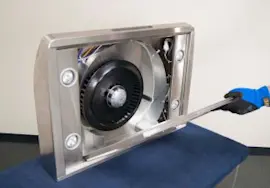
Owner’s manual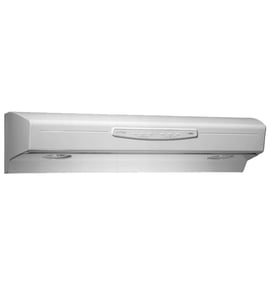



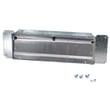

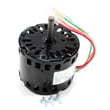
How to clean kenmore kitchen hood vent?
To clean the venting system on your Kenmore range hood model 23352612000, shut off power, remove the grease filters, and clean the filters and hood surfaces with mild detergent. Keep water out of the motor area, dry everything completely, then reinstall the filters and restore power (see the 23352612000 owner's manual).
What to clean (and how)
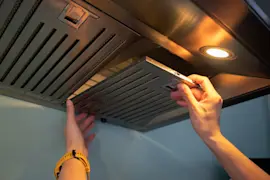
- Grease filters (mesh type): Soak in hot, soapy water, scrub with a soft brush, rinse, and air-dry fully.
- Non-ducted filters (if equipped): Wipe with a damp cloth and mild detergent; do not immerse in water or put in a dishwasher.
- Painted hood surfaces: Wipe with warm water and mild soap/detergent; avoid harsh “new and improved” cleaners that can loosen paint when heated.
- Stainless steel surfaces (if applicable): Wash with warm water and mild soap; wipe in the direction of the grain, rinse, then dry immediately.
- Fan blade (as needed): Wipe with a damp cloth and mild detergent; do not bend or misalign the blade.
Step-by-step: quick cleaning routine
- Turn the hood OFF, then switch OFF power at the breaker.
- Remove the grease filters; pull down on the filter tabs and lift out.
- Clean the filters using the correct method for your filter type.
- Wipe the underside of the hood, light area, and surrounding trim.
- If you can access it safely, wipe the fan blade carefully.
- Dry all parts completely; reinstall filters.
- Restore power and test the fan and lights.
Cleaning frequency guide
| Cooking habits | Filter cleaning | Hood wipe-down |
|---|---|---|
| Light cooking | Every 4 to 6 weeks | Weekly |
| Regular cooking | Every 2 to 4 weeks | Weekly |
| Heavy frying/wok cooking | Weekly | 2 to 3 times per week |
Why it matters
A clean filter and blower area helps your 23352612000 move air better, reduces grease buildup on the fan, and keeps the hood running quieter. Regular cleaning also helps prevent grease from accumulating on the fan or filter.
Last updated: February 2026
Can range hoods be repaired?
Yes. Most problems on the Kenmore 23352612000 range hood are repairable by cleaning, tightening connections, or replacing common wear parts like the grease filter, light components, or the fan motor. Our owner's manual also outlines safe service steps such as shutting off power at the breaker before working.
What usually can be repaired (and what we replace)
Range hoods are simple appliances; most failures trace back to airflow restriction, a worn motor, or a lighting issue.
Common repairable items include:
- Airflow issues: clogged grease filter, stuck damper, blocked ducting
- Noisy or weak fan: worn motor bearings, loose mounting, debris on the blower
- Lights not working: failed socket, diode, or loose wiring at the light panel
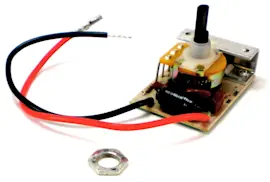
- Intermittent operation: loose wire connections, heat or grease contamination at switches
Quick checks before ordering parts
Turn power off at the service panel first, then work through these basics:
- Clean or replace the grease filter and remove built-up grease from the fan area
- Confirm the damper opens freely and the duct joints are sealed and vented outdoors (for ducted setups)
- Check for loose wire connections under the wiring cover
- Inspect the fan blade area for rubbing or obstructions (do not push on the blade)
Parts that commonly fix the problem on model 23352612000
If cleaning and basic checks do not restore operation, these model-matched parts are frequent fixes:
| Symptom | Likely part to replace | Example part on this model |
|---|---|---|
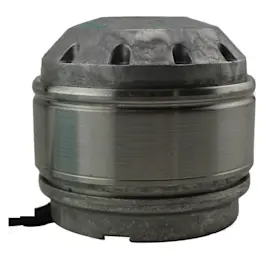
| Fan does not run or is loud | Fan motor assembly | Range hood fan motor assembly SR99080535 |
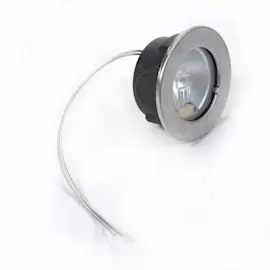
| Lights do not work | Light socket or light diode | Range hood light socket SR111630, range hood light diode SR169010 |
| Poor venting or backdraft | Vent damper | Range hood vent damper SR740013 |
| Grease buildup, reduced airflow | Grease filter | Range hood grease filter, 2-pack S99010299 |
Why it matters
A working range hood helps capture smoke and grease and reduces buildup that can lead to odors, poor airflow, and overheating of components. The manual also recommends frequent cleaning so grease does not accumulate on the fan or filter.
Last updated: February 2026
What are the parts of a range hood called?
A Kenmore range hood like model 23352612000 is typically made up of the hood body (canopy), a blower system (fan and motor), filters, lights, and the controls and wiring that power everything. For your exact configuration and diagrams, use the owner's manual.
Common range hood part names (and what they do)
Most range hoods use these standard component names:
- Hood canopy (hood body): the main shell that captures smoke and steam
- Blower (fan) and motor: pulls air through the hood and pushes it into the duct (or through filters in non-ducted setups)
- Grease filter: traps grease before it reaches the blower and ductwork
- Vent damper: helps prevent outside air from backdrafting into the kitchen
- Light system: bulbs or LED components plus the socket and lens/panel
- Wiring cover and harness: protects electrical connections
Parts you will see listed for Kenmore 23352612000
These are examples of the “official” part names you may see when ordering or troubleshooting:
- Range hood fan motor assembly SR99080535
- Range hood grease filter, 2-pack S99010299
- Range hood vent damper SR740013
- Range hood light socket SR111630
- Range hood light diode SR169010
Quick reference: name vs. symptom
| Part name | What it affects | Common symptom when it fails |
|---|---|---|
| Fan motor assembly | Airflow and noise | Fan will not run, runs weak, or is loud |
| Grease filter | Grease capture | Grease buildup, odors, reduced airflow |
| Vent damper | Backdraft control | Rattling, outside air coming back in |
| Light socket or light diode | Lighting | Lights flicker or do not turn on |
Why it matters
Using the correct part name helps you match the right replacement to your Kenmore 23352612000, especially for electrical items like a fan motor assembly, light diode, or light socket where fit and wiring connections must match.
Last updated: February 2026
What is the life expectancy of a range hood?
Most range hoods last 10 to 20 years, and a well-maintained Kenmore 23352612000 commonly reaches about 15 years of service. Regular grease filter cleaning and keeping the blower area free of buildup reduces motor strain and helps the hood run quieter and longer.
What affects lifespan the most
- Grease filter maintenance: clogged filters restrict airflow and overwork the fan motor.
- Cooking frequency and heat: heavy daily frying or high-heat cooking shortens life.
- Vent path condition: a stuck damper or restricted ducting makes the motor work harder.
- Moisture and heat exposure: steam and heat accelerate wear on wiring, switches, and lighting.
- Cleaning habits: grease buildup on the fan and housing increases noise and vibration.
Maintenance that extends the life of your Kenmore 23352612000
Use the safety and cleaning guidance in the owner's manual. A simple routine makes the biggest difference.
| Task | Best practice | Why it helps |
|---|---|---|
| Clean grease filters | Clean on a regular schedule based on cooking | Restores airflow and reduces motor load |
| Wipe hood surfaces | Degrease before buildup hardens | Prevents grease from migrating into the blower area |
| Check venting | Confirm damper opens freely and duct is clear | Prevents backpressure and overheating |
| Use the hood correctly | Turn hood on when cooking at high heat | Reduces heat and grease exposure inside the hood |
Signs it is time to repair vs replace
A range hood is usually worth repairing when the issue is isolated to a common wear part.
Repair is typically the right move when:
- The fan runs but is noisy and you find a loose mount or vibration issue.
- The hood vents poorly due to a sticking damper such as the range hood vent damper SR740013.
- Lights fail due to a socket or LED component such as the range hood light socket SR111630.
Replacement becomes more likely when:
- Multiple functions are failing (fan, lights, and controls) and performance is consistently poor.
- The housing is heavily grease-damaged or airflow is still weak after cleaning and vent checks.
Why it matters
A properly working range hood protects cabinets and indoor air quality by removing smoke, heat, and grease. Keeping filters and airflow paths clean also helps prevent the fan motor from running hot and wearing out early.
Last updated: February 2026