 Installation guide
 Owner’s manual
 Error Codes



What is the most common problem with GE dishwashers?
On the GE GLDA690M00WW dishwasher, the most common problems we see are poor cleaning and drainage related issues caused by restricted water flow, clogs (air gap/disposer), or loading that blocks spray and detergent action. Many fixes start with simple cleaning and water-supply checks in the GLDA690M00WW owner’s manual.
Most common issues (and what to check first)
- Not cleaning well: confirm hot water is actually entering the tub; run the kitchen hot water until it stops getting hotter before starting a cycle.
- Slow drain or standing water: check for a clogged air gap (if installed) or a clogged disposer connection.
- Spots and filming: verify water temperature and pressure are adequate; adjust detergent and rinse aid use.
- Detergent cup problems: make sure large items are not blocking the dispenser door.
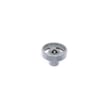
- Rack problems that affect wash coverage: if the rack doesn’t roll smoothly, dishes can shift and block spray; inspect the dishwasher dishrack track roller assembly WD12X10231.
Quick troubleshooting checklist for GLDA690M00WW
- Turn on the hot water faucet nearest the dishwasher; let it run until the temperature stops rising.
- Start the dishwasher with hot water already at the sink.
- Check water pressure at a faucet; if flow is unusually low, wait until pressure returns to normal.
- If you have an air gap, remove the cover and clean it (a toothpick works well for debris).
- Reload so tall pans do not block the detergent dispenser or spray arms.
Symptoms and likely causes
| Symptom | Most likely cause | Best first action |
|---|---|---|
| Dishes not clean | Low inlet water temperature | Preheat hot water at sink |
| Dishes not clean | Air gap or disposer clogged | Clean air gap or flush disposer |
| Detergent not dispensing | Improper rack loading | Reposition large items |
| Spots/film | Low temp or low pressure | Verify hot water and pressure |
Why it matters
Dishwashers depend on hot water, steady pressure, and unobstructed draining. When any of those are restricted, you can get poor cleaning, residue, and longer cycle times even if the unit still runs.
Last updated: February 2026
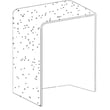
How to fix leaking GE Cafe dishwasher corner baffle replacement?
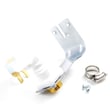
On the GE GLDA690M00WW dishwasher, a leaking corner baffle is fixed by removing the old baffle, cleaning the tub corner so the new baffle seals, then pressing the replacement firmly into place so it sits flat with no gaps.
Before you start (safety and access)
- Turn off power at the breaker (or unplug if equipped).
- Shut off the water supply valve under the sink.
- Pull the lower rack out for working room and visibility.
- Wipe the tub corner dry so you can see the leak path.
- Keep the door open and stable while you work.
Corner baffle replacement steps
- Remove the old baffle: Pull it straight out of the tub corner. If it is stuck, work it loose gently so you do not gouge the tub.
- Clean the sealing area: Scrub away detergent residue, grease, and mineral buildup in that corner; then rinse and dry.
- Install the new baffle: Align it to the corner profile and press it firmly until it is fully seated and flush.
- Check door closure: Close the door slowly to confirm nothing binds and the baffle is not folded or pinched.
- Test for leaks: Run a short rinse cycle and watch the corner area.
Quick leak checks if it still drips
- Door is rubbing adjacent cabinets; reposition or level the dishwasher so the door aligns to the tub.
- Dishwasher is not level; re-level so racks do not roll and the door meets the tub evenly.
- Suds from wrong detergent; use automatic dishwasher detergent only.
- Drain hose or inlet connections leaking underneath; inspect during a rinse test.
What to verify during a rinse test
Use the wet test procedure in the GLDA690M00WW installation guide.
| Where you see water | Most likely cause | What to do next |
|---|---|---|
| Around the door corner | Baffle not seated, door misalignment | Re-seat baffle; level and align door |
| Under the unit | Hose/valve connection leak | Tighten fittings; recheck |
| Only with lots of suds | Detergent or rinse aid issue | Reduce/adjust products |
Why it matters
A corner baffle helps direct spray and contain water at the tub edge. If it is loose or the corner is dirty, water can wick past the seal and drip down the door edge, which looks like a door gasket leak.
Last updated: February 2026
What is the average lifespan of a GE dishwasher?
Most GE dishwashers, including model GLDA690M00WW, typically last 10 to 12 years with normal household use. Consistent cleaning, correct detergent use, and fixing small issues early can push lifespan closer to the high end.
What affects dishwasher lifespan most
- Water quality: hard water speeds up mineral buildup on the heater, spray arms, and valves.
- Filter and sump cleanliness: a clogged filter restricts wash water flow and strains the pump.
- Door sealing and loading habits: overloading and poor loading can cause leaks and rack damage.
- Detergent and rinse aid use: too much detergent can leave residue; too little can reduce cleaning.
- Installation basics: improper leveling or drain setup can lead to poor draining and premature wear (see the GLDA690M00WW installation guide).
Quick maintenance that extends life
- Clean the filter area regularly; replace a damaged or clogged filter such as the micro filter WD12X10286 when needed.
- Run a monthly cleaning cycle (dishwasher cleaner or a manufacturer-approved method).
- Check and clear the drain path (air gap, hose, disposer inlet) if you notice standing water.
- Inspect racks and rollers; replace worn rollers like the dishwasher dishrack track roller assembly WD12X10231 to prevent rack binding.
- Use hot water at the sink before starting a cycle so the dishwasher fills with hotter water.
Lifespan expectations by usage level
| Usage pattern | Typical lifespan | What usually wears first |
|---|---|---|
| Light (2 to 3 loads/week) | 12 to 15 years | Racks, rollers, door seal |
| Average (4 to 7 loads/week) | 10 to 12 years | Pump, inlet valve, heater |
| Heavy (1 to 2 loads/day) | 8 to 10 years | Pump, control, dispenser |
Why it matters
Knowing the expected lifespan helps you decide whether to repair or replace. If your GLDA690M00WW is near the 10 to 12 year mark, investing in maintenance items (filters, rack rollers, seals) often prevents bigger failures and improves cleaning performance.
For model-specific care and operating tips, follow the GLDA690M00WW owner’s manual.
Last updated: February 2026
How to replace GE dishwasher arm?
On the GE GLDA690M00WW dishwasher, replacing a spray arm is usually a quick twist-off, twist-on job: remove the rack for access, take the old arm off its hub, then install the new arm and confirm it spins freely before running a cycle. See the GLDA690M00WW owner’s manual for model-specific rack and spray-arm details.
Steps to replace a spray arm
- Turn off power at the breaker (and let the unit cool if it just ran).
- Pull out the lower rack (or upper rack, depending on which arm you’re replacing).
- Remove the spray arm:
- Many GE lower arms release by twisting the center hub nut/retainer counterclockwise.
- Some designs lift off after the retainer is removed.
- Install the new spray arm:
- Seat it on the hub, then twist the retainer clockwise to lock.
- Spin the arm by hand; it must rotate smoothly without hitting the rack or dishes.
- Reinstall the rack and run a short cycle to confirm normal wash action.
Quick checks if the new arm still does not spray well
- Clean the spray holes (mineral scale and food debris block jets).
- Clean the filter area; a clogged filter reduces water flow (the micro filter WD12X10286 is a common service item).
- Verify the rack is not overloading or blocking rotation.
- Confirm proper fill; low water level points to a fill or inlet issue.
- Check for error indications using the GE dishwasher error codes.
Common symptoms and what they usually mean
| Symptom | Most common cause | What to do first |
|---|---|---|
| Arm will not spin | Dishes/rack interference | Reload, confirm clearance |
| Weak spray | Clogged holes or filter | Clean holes and filter |
| Clicking/grinding | Loose retainer or warped arm | Reseat and tighten |
| Poor cleaning | Low fill or restricted flow | Check fill and filter |
Why it matters
A properly installed spray arm is what distributes wash water and detergent across the load. If the arm is loose, blocked, or cannot rotate, you will see poor cleaning, residue, and longer cycle times.
Last updated: February 2026





