Owner’s manual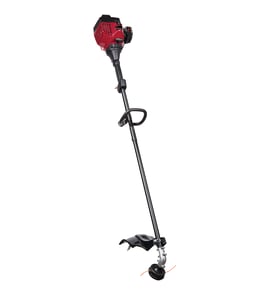


What size line do I use for a Ryobi trimmer?
For the Ryobi 775R gas line trimmer, use 0.080 inch (2.03 mm) trimmer line. This diameter is specified for the SpeedSpool system and helps the trimmer feed line correctly without overheating the engine; see the owner's manual.
Recommended line type and what to avoid
Use standard nylon trimmer line in the correct diameter.
- Use 0.080 inch (2.03 mm) line for the Ryobi 775R
- Use genuine Ryobi replacement line when possible (it is sized for the SpeedSpool head)
- Do not use metal-reinforced line
- Do not use wire, chain, or rope
- Replace line if it is brittle, fused together, or frayed (it will not feed smoothly)
SpeedSpool line length (when winding new line)
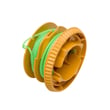
When you wind new line onto the SpeedSpool inner reel, the manual’s method uses two equal lengths.
| What you’re doing | What to use | Why it matters |
|---|---|---|
| Winding the inner reel with new line | Two pieces, 10 ft (3 m) each | Helps the head feed evenly and reduces tangles |
| Choosing diameter | 0.080 in (2.03 mm) | Prevents poor feeding and engine overheating |
Why it matters
Line that is too thick can drag in the cutting head and strain the engine; line that is too thin can break constantly and reduce cutting performance. Using the specified 0.080 inch (2.03 mm) line keeps the Ryobi 775R cutting efficiently and feeding properly.
Last updated: February 2026
What is the fuel mixture for a Ryobi 775R?
For the Ryobi 775R gas line trimmer, we use a 32:1 gas-to-2-cycle oil fuel mixture. Mix the fuel in a separate approved fuel can (not in the trimmer’s tank) to help protect the 2-cycle engine and keep it running reliably.
Correct 32:1 mix amounts
Use fresh, unleaded gasoline and 2-cycle oil designed for air-cooled engines. The 775R manual notes that 1 gallon of gas mixed with 4 fl. oz. of 2-cycle oil makes a 32:1 ratio.
| Gasoline amount | 2-cycle oil amount | Mix ratio |
|---|---|---|
| 1 US gallon | 4.0 fl. oz. | 32:1 |
| 1 liter | 30 mL | 32:1 |
How we recommend mixing and fueling
- Use a clean, approved fuel container.
- Add some gasoline first, then add the measured 2-cycle oil.
- Cap the container and shake to fully blend.
- Add the remaining gasoline and shake again.
- Let the engine cool before refueling; fuel vapors can ignite.
- Wipe up any spills immediately and fuel outdoors in a ventilated area.
Fuel freshness and storage tips
The manual also calls out that alcohol-blended fuel can absorb water; even small amounts of water can cause separation and poor running. For best results:
- Use fuel that is less than 60 days old.
- Shake the fuel can before each refuel to re-blend the mix.
- Before storage, drain the tank and run the engine until it stops.
Why it matters
A 2-cycle trimmer like the Ryobi 775R depends on oil mixed into the gasoline for lubrication. A lean mix (too little oil) can quickly damage the engine; a rich mix (too much oil) can foul the spark plug and cause heavy smoke. For the exact wording and cautions, follow the owner's manual.
Last updated: February 2026
What is the difference between a line trimmer and a brushless line trimmer?
A line trimmer is the tool type (it cuts with nylon line), while “brushless line trimmer” describes the motor design. Brushless motors typically deliver more torque and runtime per charge, run cooler, and need less maintenance than brushed motors; the Ryobi 775R is a gas trimmer, so it does not use a brushed or brushless electric motor.
Quick comparison
| Feature | Standard line trimmer (term) | Brushless line trimmer (motor type) |
|---|---|---|
| What it describes | Cutting method (spinning line) | Motor technology (brushless electric) |
| Power source | Gas or electric | Electric (battery or corded) |
| Maintenance focus | Fuel system, spark plug, air filter | Battery care, electronics, fewer wear parts |
| Typical benefits | Versatile trimming and edging | Higher efficiency, more torque, longer runtime |
What this means for your Ryobi 775R
The 775R is a gas line trimmer with a clutch and a bump-feed cutting head. You control cutting performance mostly through engine speed, correct line length, and safe operating technique (not motor “brushes”). For model-specific operating details and safety requirements, use the 775R owner's manual.
Performance and usability differences you will notice
- Torque and response: Brushless electric trimmers usually feel stronger under load than brushed electric models.
- Weight and balance: Brushless designs can be lighter for the same cutting capability.
- Heat and efficiency: Brushless motors run cooler and waste less energy.
- Maintenance: Brushless eliminates brush wear; gas models like the 775R shift maintenance to fuel, air, and ignition items.
- Noise and vibration: Electric brushless units are typically quieter than gas trimmers.
Why it matters
Knowing the difference helps you compare tools correctly. “Line trimmer” tells you it uses a string head for trimming, edging, and decorative trimming; “brushless” tells you the motor style on an electric model. For the 775R, getting the best cut comes from keeping the trimming line properly extended and using the bump head correctly so the shield blade can trim excess line to the right length.
Last updated: February 2026