Installation guide
 Owner’s manual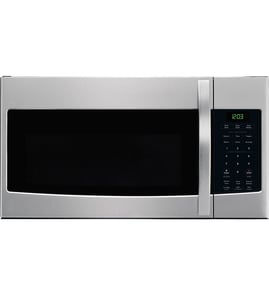


How big is the Kenmore 79083337710 microwave?
The Kenmore 79083337710 microwave/hood combo measures 29 7/8 inches wide x 16 inches high x 15 1/4 inches deep overall, with an oven cavity of 20 inches wide x 9 inches high x 14 inches deep (about 1.7 cu. ft.). These specs are listed in the owner's manual.
Quick size specs (model 79083337710)
- Overall (WxHxD): 29 7/8" x 16" x 15 1/4"
- Oven cavity (WxHxD): 20" x 9" x 14"
- Capacity: 1.7 cu. ft.
- Typical cabinet span for over-the-range installs: 30" wide opening
Dimensions at a glance
| Measurement | Size |
|---|---|
| Overall width | 29 7/8" |
| Overall height | 16" |
| Overall depth | 15 1/4" |
| Cavity width | 20" |
| Cavity height | 9" |
| Cavity depth | 14" |
| Cavity capacity | 1.7 cu. ft. |
Installation clearance notes (what to plan for)
For an over-the-range microwave/hood combo like this Kenmore model, the installation guide calls out common planning clearances:
- A 30" wide space between cabinets
- Bottom of cabinet typically 30" minimum above the cooking surface
- Plan for cord and duct clearance in the upper cabinet
For the exact mounting and venting layout, use the installation guide.
Why it matters
Overall dimensions tell you whether the microwave fits your cabinet opening and aligns with your venting setup; cavity dimensions tell you what size cookware and dishes will fit on the turntable.
Last updated: February 2026
Where to put microwave when replacing with hood?
If you’re replacing the Kenmore 79083337710 over-the-range microwave/hood combo with a dedicated range hood, the microwave cannot stay in that same over-cooktop location. Plan to relocate it to a countertop, a microwave shelf, or a built-in cabinet opening that provides safe clearance and a properly grounded outlet; use the hood’s installation requirements as your spacing guide in the installation guide.
What to plan before you remove the over-the-range unit
- Confirm the new hood type: ducted outside or recirculating.
- Verify the opening between upper cabinets is 30 inches wide and unobstructed.
- Keep at least 30 inches from the cooking surface to the bottom of the cabinet or hood area.
- Confirm there is 66 inches or more from the floor to the top of the microwave location (useful reference for overall mounting height).
- Make sure the mounting surface is level; decorative trim or cabinet overhang may need adjustment.
Best placement options for the replacement microwave
Most households choose one of these locations after switching to a hood:
| Option | Best for | What to watch for |
|---|---|---|
| Countertop | Fastest, lowest cost | Needs counter space and a dedicated outlet nearby |
| Pantry or tall cabinet shelf | Keeps counters clear | Ventilation space around the microwave and door swing clearance |
| Built-in cabinet opening | Cleanest look | Requires correct cutout size and heat clearance per the microwave’s specs |
Why it matters
Over-the-range microwave/hood combos are designed to mount to a wall and top cabinet using a mounting plate and top screws, and they also manage cooking vapors. A standard countertop microwave is not designed to be mounted over a cooktop like a hood, so relocating it prevents heat damage, poor ventilation performance, and unsafe clearances.
Quick safety and install notes we follow
- Use two people for removal and installation.
- Do not lift or support the unit by the door handle.
- Keep the power cord protected and never pinch it during removal.
- If you are ducting outside, seal duct joints with high-temperature (furnace) duct tape.
Last updated: February 2026
Does a Kenmore microwave have a filter?
Yes. Kenmore microwave/hood combos like model 79083337710 use grease filters to catch cooking grease, and some installations also use a charcoal filter to reduce smoke and odors when the hood is set up for recirculating (non-ducted) venting. See the filter details in the owner's manual.
What filters you may have (and what they do)
- Grease filters: Metal filters that trap grease from the cooktop; they should be installed any time you use the hood vent.
- Charcoal filter (some setups/models): Helps reduce odors for recirculating venting.
- Vent damper parts: Not a “filter”, but related to airflow direction and backdraft control.
| Filter or vent part | Purpose | When it matters most |
|---|---|---|
| Grease filter | Captures grease before it reaches the blower and ducting | Any time you use the vent fan |
| Charcoal filter | Reduces odors in recirculating mode | When the microwave vents back into the kitchen |
| Vent damper | Helps control airflow and backdraft | Ducted installations |
How to tell if you need a charcoal filter
A charcoal filter is typically used when your 79083337710 is installed for recirculating exhaust. Common signs it is time to change it:
- Odors linger even with the vent fan running
- The filter looks dark, warped, or damaged
- Airflow seems restricted in recirculating mode
The installation instructions for this model describe removing the vent grille (two screws), sliding the old charcoal filter out, and sliding the new one in, then reinstalling the vent. Use the installation guide for the step-by-step sequence.
Why it matters
Keeping the correct filters in place helps your Kenmore microwave/hood combo vent properly, reduces grease buildup inside the cabinet and blower area, and improves odor control when recirculating.
Last updated: February 2026
How many cubic feet is a Kenmore Model 79083337710 microwave?
The Kenmore microwave/hood combo model 79083337710 has an oven cavity capacity of 1.7 cubic feet. This capacity is listed in the specifications section of the 79083337710 owner's manual.
Where the capacity is listed
In the specs section, look for the line labeled “Capacity of oven cavity”. That number is the usable interior cooking volume (not the exterior size).
- Model: Kenmore 79083337710
- Capacity of oven cavity: 1.7 cu. ft.
- Spec area: Specifications
- Related specs nearby: electrical rating, overall dimensions, oven cavity dimensions
Capacity vs. dimensions (quick reference)
Capacity is volume; dimensions are measurements. Both help you confirm fit and usability.
| Spec | What it measures | Why it matters |
|---|---|---|
| Capacity (cu. ft.) | Interior cooking volume | Helps you judge how large a dish you can heat |
| Overall dimensions (WxHxD) | Outside size | Helps confirm it fits your cabinet and over-range space |
| Oven cavity dimensions (WxHxD) | Interior size | Helps confirm specific cookware will fit |
Why it matters
Knowing the 1.7 cu. ft. capacity helps you compare over-the-range microwaves, choose appropriately sized cookware, and set expectations for how much food you can heat at one time.
Last updated: February 2026
How to hard reset Kenmore microwave?
To hard reset your Kenmore microwave/hood combo model 79083337710, unplug it (or switch off the breaker) for about 1 minute, then restore power. If you need to reset certain control settings (like units or demo mode), use the Clock & Settings menu described in the owner's manual.
Quick reset options (what each one does)
- Power reset (most common): Clears temporary glitches after a power surge or frozen keypad.
- Settings reset (menu-based): Resets specific options (for example, weight units or demo mode).
- Control lock toggle: Turns the control lock on or off if the keypad seems unresponsive.
Steps: power reset (recommended first)
- Unplug the microwave or turn off the circuit breaker.
- Wait 60 seconds.
- Restore power.
- Set the clock again if needed.
Steps: reset certain settings using Clock & Settings
Your 79083337710 uses the Clock & Settings pad to scroll through options.
- Press Clock & Settings repeatedly to reach the setting you want.
- Press START to confirm the selection.
Common examples mentioned in the manual:
- Weight units (kg/lb): The display may show a units option; pressing START confirms the reset.
- Demo mode on/off: Enter the demo mode setting using Clock & Settings, then confirm with START.
If the microwave still will not run after a reset
These checks solve most “won’t start” complaints:
- Make sure the door closes firmly and latches.
- Try turning Control lock off (Clock & Settings is used to access it).
- Confirm the outlet has power (test with a lamp).
- If the display works but cooking will not start, the door safety circuit may be the issue.
| Symptom after reset | Most likely area to check | Example part on this model |
|---|---|---|
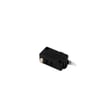
| Display works, won’t start | Door interlock circuit | Microwave door interlock switch 5304509460 |
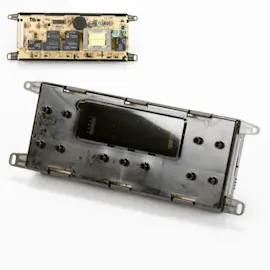
| Random behavior, dead keypad sections | Control electronics | Microwave electronic control board 5304515170 |
Why it matters
A reset clears control logic errors, but it will not fix a failed door interlock, control board, or other electrical part. Using the correct reset method helps you avoid unnecessary part replacement and gets you to the right next step faster.
Last updated: February 2026