Installation guide
 Owner’s manual
 Error Codes



Is Frigidaire Gallery high end?
Frigidaire Gallery is not a luxury, high-end line; it is a strong mid-range tier. In practical terms, Gallery appliances typically add nicer finishes and more features than entry-level Frigidaire models, without the premium pricing and pro-style build of true high-end lines. For model-specific features on your Frigidaire GLHS68EGPB2 refrigerator, use the owner's manual.
How Frigidaire Gallery typically compares
We see Frigidaire positioned in tiers; Gallery usually sits in the middle.
- Entry-level Frigidaire: core features, value-focused
- Frigidaire Gallery: upgraded styling and convenience features
- Frigidaire Professional: more premium look and performance-focused features
- True luxury brands: highest-end materials, price, and specialized features
What “high end” usually means for refrigerators
“High end” is usually about build, performance, and feature depth, not just appearance.
- More precise temperature management and airflow control
- Quieter operation and higher-end interior materials
- More advanced ice and water systems (and filtration options)
- More robust door hardware and sealing
- More specialized storage and lighting
Quick comparison table
| Line level | Typical positioning | What you usually get |
|---|---|---|
| Entry-level | Budget | Basic cooling and storage |
| Gallery | Mid-range | More features and upgraded finishes |
| Professional | Premium (non-luxury) | Pro-style design, higher feature set |
| Luxury | High end | Top materials, specialized performance |
Why it matters
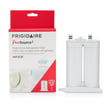
If you are deciding whether to repair or upgrade, knowing the tier helps set expectations for long-term value. For example, if you are improving water and ice quality, replacing the filter on schedule (such as the Frigidaire puresource2 refrigerator water filter WF2CB) often makes a noticeable difference in taste and flow.
Last updated: February 2026
What is the average lifespan of a Frigidaire refrigerator?
A Frigidaire refrigerator like model GLHS68EGPB2 typically lasts 10 to 15 years. With steady care (good airflow, clean seals, and correct temperature settings), it’s common to reach the high end of that range before major cooling-system repairs become more likely.
Typical lifespan and what to expect
Most side-by-side refrigerators follow a predictable pattern as they age:
- 0 to 5 years: Mostly minor issues (light bulbs, bins, filter changes)
- 5 to 10 years: Wear items show up (door gaskets, fan noise, defrost issues)
- 10 to 15 years: Higher chance of cooling or control problems (thermistors, boards, sealed-system wear)
- 15+ years: Many units still run, but repair frequency and cost usually increase
For model-specific operating and care guidance, follow the maintenance and troubleshooting sections in the owner's manual.
Maintenance that most improves lifespan
These actions reduce run time and heat load, which helps the compressor and defrost system last longer:
- Keep door seals clean and sealing tightly; warm air leaks make the refrigerator run longer
- Set temperatures correctly and allow 24 hours for temps to stabilize after changes
- Avoid frequent, long door openings (adds moisture and heat)
- Replace the water filter on schedule to keep dispenser flow normal
- Keep the unit level so doors close fully and consistently
Helpful parts for common wear items
If you’re addressing age-related performance issues, these parts are commonly involved:
| Symptom | Common cause | Example part for GLHS68EGPB2 |
|---|---|---|
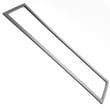
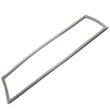
| Warm temps, long run time | Door seal leaking | Refrigerator gasket 241786013 or refrigerator freezer gasket 241786014 |
| Poor water taste or slow flow | Clogged filter | Frigidaire puresource2 refrigerator water filter WF2CB |
| Frost buildup, warming | Defrost control issue | Refrigerator defrost bi-metal thermostat 5303918214 |
Why it matters
A refrigerator that runs “too much or too long” often points to airflow restrictions, door seal leaks, or temperature control issues. Fixing those early can prevent food spoilage, reduce energy use, and delay expensive cooling-system wear.
Last updated: February 2026
What is the most common problem with a Frigidaire refrigerator?
The most common issue we see on Frigidaire refrigerators like model GLHS68EGPB2 is a cooling complaint: the refrigerator section runs warm, the freezer may still feel cold, or temperatures swing. The usual causes are restricted airflow, dirty condenser coils, or a defrost problem that lets frost build up.
Most common symptoms customers notice
- Refrigerator side is too warm but freezer seems OK
- Refrigerator runs too much or too long
- Freezer or fresh food temperatures are too warm after door openings
- Frost or ice buildup that reduces airflow
- Digital temperature displays flashing (on models with electronic displays)
What to check first (fast, no-parts steps)
- Confirm control settings and give it time: After changing temperature controls, allow about 24 hours for temperatures to stabilize (this is standard guidance for this platform). See the temperature control section in the owner's manual.
- Reduce warm-air load: Frequent or long door openings can warm the cabinet and make the unit run longer.
- Check door closing and sealing: A slightly open door or a poor seal can cause long run times and warm temps.
- Clean the condenser: A dirty condenser is a common cause of warm temperatures and excessive run time.
Parts that commonly relate to these problems (GLHS68EGPB2)
If basic checks point to a specific failure, these model-matched parts are commonly involved:
- Defrost system icing symptoms: refrigerator defrost bi-metal thermostat 5303918214
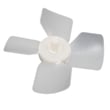
- Airflow noise or weak airflow symptoms: refrigerator evaporator fan blade 5308000010
- Door not sealing, sweating, or warm edges: refrigerator freezer gasket 241786014 or refrigerator gasket 241786013
Quick symptom-to-likely-cause table
| Symptom | Most likely cause | What we recommend |
|---|---|---|
| Fridge warm, freezer OK | Airflow restriction or frost buildup | Check vents, look for frost, review defrost troubleshooting in the manual |
| Runs too long | Dirty condenser, door slightly open, gasket leak | Clean condenser, confirm doors close, inspect gaskets |
| Temps too warm after openings | Doors opened too often/too long | Reduce openings; allow 24 hours to stabilize |
Why it matters
Cooling and run-time problems usually get worse over time: food safety can be affected, energy use goes up, and frost buildup can eventually block airflow enough to stop proper cooling.
Last updated: February 2026
How do you tell your Frigidaire model?
For your Frigidaire side-by-side refrigerator, the model number is printed on the serial plate inside the refrigerator compartment. On model GLHS68EGPB2, you will find it on a label inside the fresh food section; match the exact letters and numbers when ordering parts or checking instructions in the GLHS68EGPB2 owner's manual.
Where to look on GLHS68EGPB2
Check these common spots first:
- Inside the refrigerator compartment on a serial plate or sticker (most common)
- On the side wall near the top of the fresh food section
- Along the door frame area when the refrigerator door is open
- Near the crisper area on an interior wall (varies by build)
What the model number label looks like
The label typically includes:
- Model number (example: GLHS68EGPB2)
- Serial number
- Sometimes the purchase date is recorded separately in your paperwork
Quick ID checklist
- Copy the model number exactly (letters, numbers, and any suffix)
- Use the model number, not the serial number, to find diagrams and parts
- If the label is hard to read, take a clear photo and zoom in
Why it matters
Using the exact Frigidaire model number ensures we show the correct parts diagrams and compatible replacement parts (for example, the correct water filter style and door gasket fit can vary by model series).
Model number vs. serial number (what to use)
| Item on label | What it’s for | Use it when you need |
|---|---|---|
| Model number | Identifies the design and parts list | Parts lookup, manuals, compatibility |
| Serial number | Identifies your specific unit | Service history, production info |
Last updated: February 2026