Error Codes


How to identify a Kenmore washer model?
Your Kenmore washer model number is printed on the appliance’s model and serial tag; for Kenmore washers it often starts with 110 (like 11091210100). On most top-load Kenmore washers, we find it under the lid near the tub opening; on front-load models, it’s typically inside the door opening.
Check these common tag locations first:
- Under the lid, around the tub rim (top-load)
- Inside the door opening on the front panel (front-load)
- On the back panel near the power cord
- Along the side of the cabinet behind the control panel area
- On the lower front frame (some designs)
For Kenmore, the model number is usually 10 to 12 characters and may include a prefix like 110 followed by more digits. Using the exact model number helps us match the correct parts list, diagrams, and replacements for your washer.
| What you see on the tag | What it means | What to do next |
|---|---|---|
| 11091210100 | Full model number | Use it to shop parts for this exact washer |
| 110.91210100 | Same model with a dot format | Ignore the dot; use the full digits |
| Only a serial number | Not the model number | Keep looking for the model field on the tag |
Before you buy a coupling, water pump, lid switch, or timer knob, confirm the full model number and compare it to the part listing.
- Copy the model number exactly as shown (include all digits)
- Take a clear photo of the tag for reference
- Match the part by name and ID, not just by appearance
- If you’re troubleshooting a no-agitate or no-spin issue, common wear items include the coupling 285753A and water pump WP3363394
Kenmore washers share similar styling across many series, but internal components (drive system, clutch, pump, motor, and switch designs) can vary by model. Using 11091210100 ensures the replacement part fits and performs correctly.
Last updated: February 2026
Is it worth repairing a Kenmore washing machine?
Yes, it’s usually worth repairing a Kenmore washer, especially a proven direct-drive model like Kenmore 11091210100, as long as the repair cost is reasonable and the machine isn’t suffering from major tub or transmission damage. Many common failures are inexpensive, long-lasting fixes.
We recommend repairing when the total repair (parts plus labor) is under about 50% of the cost of a comparable new washer, and the fix addresses a known wear item.
Typical “good repair” examples on this model include:
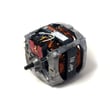
- Replacing a worn motor coupler: coupling 285753A
- Fixing a no-drain or leak issue at the pump: water pump WP3363394
- Replacing a worn spin clutch: clutch 285785
- Correcting a no-spin due to a stripped drive block: washer drive block WP389140
Some repairs can approach the value of the washer, especially if multiple major drive components are worn.
Consider replacement if you have:
- Persistent loud grinding or oil leakage from the gearcase area
- Repeated failures after recent major repairs
- Severe rust-through, tub damage, or chronic leaks from multiple locations
- A repair quote that is close to the price of a new washer
| Repair type | What you usually notice | Typical value outcome |
|---|---|---|
| Coupler, pump, clutch | No agitate, no drain, no/weak spin | High value repair |
| Motor or gearcase-related | Burning smell, loud noise, poor spin with other symptoms | Medium to low value depending on total cost |
A targeted repair on the Kenmore 11091210100 often restores normal wash and spin performance for years because many issues are caused by wear parts (coupler, pump, clutch) rather than the entire washer failing at once.
If your washer is showing an error code (on models that display them), use our Kenmore 110 vmax top load washer error codes resource to narrow the problem before buying parts.
Last updated: February 2026
What is the average lifespan of a Kenmore washer?
A Kenmore washer typically lasts 10 to 15 years with normal household use. For your Kenmore model 11091210100, staying closer to the high end usually comes down to load size, good drainage, and replacing common wear parts before they cause bigger drive or leak damage.
Most top-load washers like this Kenmore design reach their full lifespan when the drive system stays tight and the tub seals stay dry.
What helps it last longer
- Keep loads balanced and avoid chronic overloading (it strains the clutch, motor, and suspension)
- Use the right detergent amount; too much suds can contribute to drain issues
- Check hoses and connections periodically for slow leaks
- Address new noises early (grinding, squealing, or banging)
- Fix slow-drain symptoms before they stress the motor and pump
When these parts wear, the washer may stop agitating/spinning, leak, or drain poorly. Replacing them promptly often prevents secondary damage.
| Symptom | Common wear area | Example part for model 11091210100 |
|---|---|---|
| Won’t spin or agitates poorly | Drive coupling or clutch | Coupling 285753A or clutch 285785 |
| Won’t drain or drains slowly | Drain pump | Water pump WP3363394 |
| Loud banging or excessive vibration | Suspension support | Washer suspension spring WP63907 |
| Water won’t fill or fills incorrectly | Water inlet valve | Valve 285805 |
We use these practical checks to decide whether repair is likely to extend life meaningfully:
- The tub and cabinet are solid (no severe rust-through)
- The washer drains and fills reliably after basic service
- The problem is isolated to a common service part (coupling, pump, valve, clutch)
- There is no ongoing leak at the tub seal/bearing area
A washer that is overloaded, out of balance, or slow to drain puts extra stress on the motor, clutch, and gearcase. Catching early symptoms and replacing a failing part (like a coupling or pump) often adds years of reliable service.
Last updated: February 2026