Owner’s manual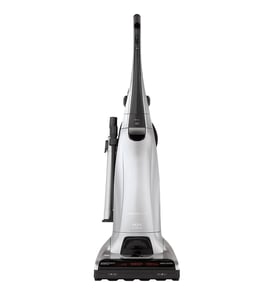




How long does a Kenmore vacuum last?
A Kenmore upright vacuum like model 12531220610 typically lasts 8 to 10 years with normal household use when you keep airflow clear, replace wear items on schedule, and avoid running it with clogged filters or a jammed brush roll. See the maintenance intervals in the 12531220610 use & care guide.
Typical lifespan (what to expect)
Most upright vacuums reach the 8 to 10 year range because the motor, brush roll system, and hose seals gradually wear from heat, dust, and friction.
| Use pattern | Typical lifespan | What shortens it fastest |
|---|---|---|
| Light (1 to 2 rooms, a few times/week) | 10+ years | Clogged filters, full dust bin |
| Average whole-home weekly cleaning | 8 to 10 years | Belt wear, hair wrap on brush roll |
| Heavy (pets, daily use, thick carpet) | 5 to 8 years | Overheating from restricted airflow |
Maintenance that adds years
We recommend these habits for Kenmore vacuums, especially CrossOver-style uprights:
- Empty the dust bin before it gets packed tight.
- Clean or replace the vacuum filter on a routine schedule; a restricted filter makes the motor run hotter.
- Check the brush roll area for hair, string, and rug fringe after heavy cleaning.
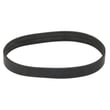
- Replace a stretched or slipping belt if the brush roll slows down.
- Inspect the hose and floor nozzle path for clogs when suction drops.
- Store the vacuum indoors and keep it dry to protect wiring and the electronic controls.
Helpful model-matched parts for upkeep include the vacuum filter KC44KDMTZ000 and the vacuum beater bar belt KC28SEDCZ000.
Signs your vacuum is nearing end of life
If these keep happening even after basic maintenance, the vacuum is usually in its later years:
- Burning smell or frequent shutoffs (overheating)
- Brush roll stops or struggles even with a new belt
- Noticeably weaker suction with clean filters and no clogs
- Unusual grinding or high-pitched motor noise
Why it matters
A vacuum that is run with restricted airflow (dirty filter, clogged hose, jammed nozzle) runs hotter and wears out faster. Simple maintenance protects the motor, improves suction, and reduces the chance of sudden shutdowns.
Last updated: February 2026
Are Kenmore vacuums still good?
Yes. Kenmore upright vacuums, including model 12531220610, are still a good choice for most homes because they deliver strong everyday cleaning performance and are designed to be maintained with replaceable wear parts (filters, belts, hoses) as outlined in the 12531220610 use & care guide.
What “good” means for an upright vacuum
A vacuum is “good” when it keeps suction strong, cleans carpet and hard floors consistently, and stays reliable with routine maintenance.
Common strengths many Kenmore uprights are known for:
- Strong suction when airflow is clear (bin, hose, and filters maintained)
- Solid carpet agitation from the brush roll system
- Useful onboard tools for edges, upholstery, and pet hair
- Serviceable design with replaceable parts instead of disposable assemblies
What to watch for (and how to prevent issues)
Most “Kenmore vacuum problems” come from normal wear items or airflow restrictions, not the motor.
- Loss of suction: empty the dust bin, clear clogs, and keep filters clean
- Brush roll not spinning: check for hair wrap and replace a stretched belt
- Overheating or shutoff: clean filters and remove blockages to restore airflow
- Odors: wash or replace filters and clean the dust cup and nozzle path
Quick maintenance checklist
- Empty the dust bin before it gets packed tight
- Inspect the nozzle and hose for clogs
- Clean or replace filters on schedule
- Replace the belt when brush roll speed drops
- Remove hair and string from the brush roll regularly
Parts that most affect performance on 12531220610
Keeping these wear parts fresh is the fastest way to keep a Kenmore upright “good” year after year.
| Symptom | Most common maintenance fix | Example part for this model |
|---|---|---|
| Weak suction | Clean or replace filter | Vacuum filter KC44KDMTZ000 |
| Brush roll slows/stops | Replace belt, clear brush roll | Vacuum beater bar belt KC28SEDCZ000 |
| Poor pickup at floor | Check nozzle path and hose | (Inspect hose and nozzle for clogs) |
Why it matters
A well-maintained upright vacuum protects carpet fibers, improves indoor air quality by keeping airflow and filtration working, and reduces strain on the motor. That is why filter and belt care usually matters more than the brand name.
Last updated: February 2026
What is the very best vacuum cleaner on the market?
There is no single “best” vacuum for everyone; the best choice depends on your floors, pets, allergies, and whether you prefer cordless convenience or corded deep-cleaning. For Kenmore model 12531220610, we recommend using the 12531220610 use & care guide to match the right settings, filters, and maintenance to your home.
How we define “best” (what to compare)
- Cleaning performance: carpet agitation plus sealed suction on hard floors
- Filtration: HEPA-style exhaust filtration and tight seals for allergy control
- Ease of ownership: filter access, clogs, belt changes, and parts availability
- Attachments: crevice tool, dusting brush, pet tools, hose reach
- Durability: brush roll, belt system, and cord strain relief
Top picks by shopper type (quick guide)
| If you want... | Usually best choice | Why it wins |
|---|---|---|
| Maximum deep-clean on carpet | Corded upright | Strong airflow and continuous power |
| Best hard-floor care + quiet | Canister vacuum | Smooth floor tools and low noise |
| Fast daily cleanup | Cordless stick | Convenience and quick grab-and-go |
| Pet hair focus | Upright or stick with pet tool | Better brush design and specialized tools |
What makes your Kenmore 12531220610 perform like a “best-in-class” vacuum
Even a great vacuum underperforms when airflow or agitation drops. For this model, these are the most common performance levers:
- Replace or clean the primary filter on schedule; use the exact-fit vacuum filter KC44KDMTZ000
- If the brush roll slows or stops, inspect the belt and replace with vacuum beater bar belt KC28SEDCZ000
- Clear clogs in the floor nozzle and hose path; restrictions reduce suction fast
- Empty the dust container before it reaches the max line (overfilling cuts airflow)
- Check the brush roll area for hair wrap and debris; disconnect power first
Why it matters
“Best vacuum” is really “best results in your home.” Matching the vacuum type to your flooring and keeping filters, belts, and airflow in spec delivers stronger pickup, better allergen control, and longer motor life.
Last updated: February 2026
Why did my Kenmore vacuum stop working?
If your Kenmore upright vacuum model 12531220610 stopped working, the most common causes are a power issue (outlet, cord, switch), a clog that triggers overheating protection, or a brush roll area jam. We recommend following the troubleshooting steps in the 12531220610 owner’s manual and checking the basics first.
Quick checks (fastest fixes first)
- Confirm the outlet works by testing a lamp or phone charger.
- Inspect the cord and plug for cuts, burn marks, or loose prongs; stop using it if damaged.
- If the vacuum shut off mid-clean, unplug it and let it cool 30 to 60 minutes (overheat protection can trip).
- Empty the dust container and clear any blockage in the hose, wand, and floor nozzle air path.
- Clean or replace dirty filters; a clogged filter can reduce airflow and cause overheating.
- Check the brush roll area for string, hair, or debris; unplug before servicing the brush area.
Parts that commonly cause a “won’t run” or “shuts off” problem
If the vacuum has power at the outlet but still will not run reliably, these parts are frequent culprits:
| Symptom | What it often points to | What to do |
|---|---|---|
| Dead, no lights/sound | Cord, switch, internal wiring | Inspect cord; consider replacing the vacuum power cord KC97EEDEZV06 if damaged |
| Runs, then stops | Overheating from clogs or dirty filter | Clear clogs; clean/replace the vacuum filter KC44KDMTZ000 |
| Runs but cleans poorly | Air leak or restriction | Reseat bin, check seals, clear hose/nozzle |
| Brush not turning (but motor runs) | Belt or brush roll jam | Remove debris; replace belt if stretched or broken |
Why it matters
A vacuum needs steady airflow to keep the motor cool and maintain suction. Clogs, packed dust, and restricted filters can make the vacuum overheat and shut down, and running with a damaged cord or plug creates an electrical safety risk.
Safety notes we follow
- Unplug the vacuum before cleaning clogs or working near the brush roll.
- Do not use the vacuum if it has been dropped in water or the cord is damaged; have it serviced before using again.
Last updated: February 2026