 Installation guide
 Owner’s manual



What is the average life expectancy of a GE dishwasher?
A GE dishwasher typically lasts 10 to 12 years. For your GE GDT665SMN0ES, regular cleaning, correct detergent use, and fixing small issues early (like poor draining or weak spray) are the biggest factors that help you reach or exceed that average.
Typical lifespan ranges
Most homeowners see these ranges depending on use and care:
- 8 to 10 years: heavy daily use, hard water buildup, skipped maintenance
- 10 to 12 years: typical household use with basic upkeep
- 12 to 15 years: lighter use plus consistent cleaning and prompt repairs
| Usage and care level | What it looks like | Typical outcome |
|---|---|---|
| Heavy use, low maintenance | frequent loads, buildup, clogs | shorter lifespan |
| Normal use, basic maintenance | routine cleaning, good loading | average lifespan |
| Light use, proactive maintenance | clean filters, address leaks early | longer lifespan |
What shortens a dishwasher’s life fastest
These are the most common “wear accelerators” we see on GE dishwashers:
- Hard water scale on internal parts and the heating system
- Food debris buildup that restricts wash and drain flow
- Overloading racks so spray can’t reach dishes
- Running with damaged spray arms or poor water circulation
- Ignoring early symptoms (standing water, unusual noise, weak cleaning)
Maintenance that helps you get the full 10 to 12 years
We recommend these habits for the GDT665SMN0ES:
- Clean the filter area and sump regularly (frequency depends on soil level)
- Run a monthly cleaning cycle to reduce grease and mineral buildup
- Confirm the spray arms spin freely and holes are not clogged
- Use rinse aid if drying performance is dropping
- Follow the cycle and detergent guidance in the GDT665SMN0ES owner’s manual
Why it matters
A dishwasher usually fails early from restricted water flow or drainage problems, not from the tub itself. Keeping wash circulation and draining healthy reduces strain on key components like the wash pump and drain pump.
Last updated: January 2026
What is the most common problem with a GE dishwasher?
The most common GE dishwasher problem is a drain issue: the dishwasher finishes with water left in the tub because the filter area, drain hose, or pump path is restricted. On the GE GDT665SMN0ES, “won’t start” problems from a door not latching are also very common. See the GDT665SMN0ES owner's manual for model-specific checks and indicator behaviors.
Most common issues we see (and what to check first)
- Not draining: standing water, gurgling, or slow drain at the end of the cycle.
- Won’t start: door not fully latched, cycle not selected, or control not responding.
- Not cleaning well: spray arm holes clogged, low water fill, or heavy soil buildup.
- Not drying: heat not boosting, rinse aid low, or door opened too soon.
- Leaks: door seal area dirty, loading issues, or hose connection seepage.
Quick troubleshooting for the top 2 problems
Drain issue checks
- Clear debris from the bottom filter area and sump.
- Confirm the sink drain or disposal connection is open and not blocked.
- Inspect the drain hose for kinks, pinches, or a clogged high loop.
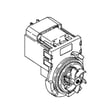
- If the dishwasher hums but won’t evacuate water, the dishwasher drain pump WD19X25461 is a common suspect.
Won’t start checks
- Press the door firmly until it clicks; verify nothing is preventing closure.
- Reset power at the breaker for 1 minute, then retry a cycle.
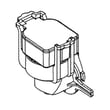
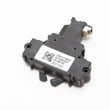
- If the door won’t latch consistently, the GE dishwasher door latch lock WD21X10490 is a common fix.
Symptoms to likely cause (fast guide)
| Symptom | Most likely cause | What we recommend |
|---|---|---|
| Water left in tub | Clog or weak drain | Clean filter area; check hose; test drain pump |
| No response when pressing Start | Door not latched or control issue | Re-latch door; power reset; check latch |
| Dishes still dirty | Poor spray or low fill | Clean spray arms; verify loading and water temp |
| Wet dishes after cycle | Drying system or rinse aid | Use rinse aid; select heated dry; check heater circuit |
Why it matters
Drain and latch problems stop the cycle from completing correctly. Fixing the root cause protects the wash pump, prevents odors from stagnant water, and helps the dishwasher run full cycles with proper heating and drying.
Related help: GE electronic dishwasher error codes.
Last updated: January 2026
Which dishwasher to stay away from?
If you’re trying to avoid problems, we recommend staying away from any dishwasher with a consistent pattern of service calls for leaks, poor cleaning, or repeated electronic failures. For a GE dishwasher like model GDT665SMN0ES, the best approach is to compare reliability signals (warranty history, parts pricing, and common failure points) before you buy.
What to avoid (practical red flags)
- Models with frequent reports of control board or user interface failures (expensive repairs).
- Dishwashers that commonly develop leaks at the door seal, sump, or hose connections.
- Units that struggle with draining or have recurring pump clogs.
- Designs with hard-to-clean filters or spray paths that lead to chronic poor cleaning.
- Brands or model lines with limited parts availability or long backorder times.
Quick reliability checklist (what we look at)
Use this checklist when comparing dishwashers in the store or online:
| What to check | What “good” looks like | What to avoid |
|---|---|---|
| Parts support | Common parts are easy to source | Parts are scarce or unusually expensive |
| Wash system | Strong spray coverage, easy filter access | Chronic “not cleaning” complaints |
| Drain design | Consistent draining, simple hose routing | Frequent “won’t drain” complaints |
| Door sealing | Solid latch and even gasket contact | Repeated leak complaints |
If you already own a dishwasher and want to reduce risk
These steps help prevent the most common issues (cleaning, draining, leaks):
- Clean the filter area and spray arms regularly; remove debris and hard-water buildup.
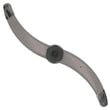
- Confirm the lower spray arm spins freely; replace a worn arm if jets are clogged or cracked.
- Use the right detergent amount and run hot water at the sink before starting a cycle.
- Inspect the drain hose routing for kinks and ensure the high loop is correct.
- If the door doesn’t close firmly, address the latch before it causes leaks or no-start issues.
Helpful model-specific references: GDT665SMN0ES owner’s manual, dishwasher spray arm, lower WD22X33499.
Why it matters
Dishwashers are repairable, but repeated failures in electronics, pumps, or sealing can quickly cost more than the difference between a “budget” model and a proven, service-friendly model.
Last updated: January 2026
How to do a hard reset on a GE dishwasher?
For the GE dishwasher model GDT665SMN0ES, a “hard reset” is a full power reset: turn off power at the breaker (or unplug) for 1 to 5 minutes, restore power, then start a new cycle. This clears many control glitches and restores normal operation.
Hard reset steps (power reset)
- Turn the dishwasher OFF.
- Switch the dishwasher circuit breaker OFF (or unplug the power cord if accessible).
- Wait 1 to 5 minutes.
- Turn the breaker ON (or plug back in).
- Close the door fully, then press Start/Reset and begin a cycle.
For model-specific button sequences and indicator behavior, follow the reset and control instructions in the GDT665SMN0ES owner’s manual.
If it still will not start after a reset
These checks solve the most common “has power but won’t run” situations:
- Confirm the door is fully latched; a weak latch can stop the cycle from starting.
- Cancel the current cycle by pressing and holding Start/Reset (typical hold time is a few seconds).
- Make sure water supply to the dishwasher is on.
- Check for a stuck key on the control panel (press each key once).
- If the unit drains but will not wash, inspect wash performance items like the spray arms.
Parts that commonly relate to “won’t start” symptoms
| Symptom | What to check | Example part for this model |
|---|---|---|
| Won’t start, door feels loose | Door latch not engaging | GE dishwasher door latch lock WD21X10490 |
| Powers up, acts erratic | Control reset helps, then returns | Configured machine control board (diagnosis required) |
| Stops mid-cycle, odd fill behavior | Water level sensing issue | GE dishwasher pressure sensor |
Why it matters
A hard reset restores the control board’s normal logic after a power glitch or interrupted cycle. If the dishwasher immediately repeats the same failure after resetting, the issue is usually a door-latch, control, or fill/drain condition that needs troubleshooting rather than repeated resets.
For diagnostic codes that can point you to the next best check, use GE electronic dishwasher error codes.
Last updated: January 2026





