 Error Codes


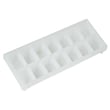
Can I replace fridge parts myself?
Yes. On the Magic Chef RB193TV refrigerator, we can replace many non-electrical parts ourselves (like shelves, bins, and some door hardware) using basic hand tools and careful handling; for sealed-system or wiring repairs, we use a qualified technician.
Good DIY candidates
- Shelves, door bins, and crisper drawers
- Door handle hardware (if accessible from the door edge or inside trim)
- Light cover and some interior trim pieces
- Leveling feet and front grille/kick plate (if equipped)
- Door gasket cleaning and minor reshaping (warm water and gentle heat)
Typically not DIY
- Refrigerant (sealed-system) repairs
- Compressor, condenser, or evaporator replacement
- Control board diagnostics and wiring repairs
- Unplug the refrigerator (or switch off the breaker) before removing covers.
- Empty the area you are working on; glass shelves can chip if twisted.
- Take a photo before disassembly so we can match screw locations and clip routing.
- Keep screws sorted by step (a muffin tin works well).
- Restore airflow after reassembly; don’t block vents with bins or food.
| Task | Typical tools | Difficulty | Notes |
|---|---|---|---|
| Replace shelf/bin | None | Easy | Avoid forcing tabs; align first, then seat. |
| Door gasket tune-up | Warm soapy water, towel | Easy | Clean first; many “leaks” are just debris. |
| Evaporator fan troubleshooting | Screwdriver | Medium | Noise or warm fridge section often points here. |
| Water filter change (if equipped) | None | Easy | Purge air after replacement if dispenser sputters. |
DIY replacement of simple parts helps restore cooling efficiency, prevents door leaks, and reduces strain on the compressor. When we avoid sealed-system and electrical repairs, we also prevent repeat failures and safety issues.
For water-filter related work on Magic Chef refrigerators, use how to replace the water filter in a Magic chef refrigerator.
Last updated: February 2026
How long does it take a Magic Chef mini fridge to cool?
For the Magic Chef RB193TV refrigerator, plan on about 2 hours to get the cabinet thoroughly chilled after you first turn it on. For the fastest initial cool-down, set the temperature control to the coldest setting, then load food after the interior feels consistently cold.
- Place the refrigerator on a level surface with a little space around it for airflow.
- Set the temperature control to the coldest setting (often the highest number).
- Keep the door closed as much as possible for the first 2 hours.
- After 2 hours, add pre-chilled items first (drinks, leftovers), then the rest.
- Fine-tune the control over the next 24 hours to avoid freezing or warm spots.
Most compact and apartment-size refrigerators reach a noticeably cold interior within 1 to 3 hours, but full temperature stabilization takes about 24 hours after a first start or after a major temperature change.
| Situation | What to expect | What to do |
|---|---|---|
| First start-up | Cold in ~2 hours; stable in ~24 hours | Start coldest, then adjust |
| Warm room (garage, hot kitchen) | Longer cool-down | Improve airflow, reduce door openings |
| Fridge is packed with warm food | Much longer cool-down | Add food gradually, pre-chill items |
| Door opened often | Slower cooling | Limit openings for a few hours |
- Confirm the condenser area is clean and airflow is not blocked.
- Listen for the evaporator fan (a steady fan sound when running).
- Check that the door gasket seals all the way around.
- Make sure the control is not set too warm.
For targeted troubleshooting, use our guides: how to fix your evaporator cooling fan and how to fix a fridge door seal.
Letting the RB193TV cool down before loading food helps the compressor catch up, reduces temperature swings, and keeps food safer by getting the cabinet into a stable cooling range sooner.
Last updated: February 2026
Is Magic Chef a good brand for refrigerators?
Magic Chef refrigerators, including the Magic Chef RB193TV, are a solid choice when you want a compact, budget-friendly fridge for a small kitchen, apartment, office, or as a secondary garage refrigerator. They are best for everyday cooling needs rather than premium features or heavy-duty, high-capacity use.
Magic Chef tends to fit customers who prioritize value, simple controls, and space efficiency.
- Good fit for small spaces and light-to-moderate use
- Typically simpler designs (fewer feature-related failures)
- Often chosen as a second refrigerator (garage, basement, breakroom)
- Not usually the best match if you want premium ice and water features
- Not usually the best match if you need maximum capacity for a large household
| What you care about | Magic Chef (typical) | Mainstream full-size brands (typical) |
|---|---|---|
| Upfront cost | Lower | Medium to higher |
| Footprint | Smaller | Larger |
| Features | Basic | More options |
| Best use case | Secondary or small-home fridge | Primary family fridge |
Use these checks to match the refrigerator to your needs:
- Capacity needs: If you routinely shop in bulk, a larger full-size model usually fits better.
- Room conditions: If it will live in a garage, keep it in a temperature-stable area for best cooling performance.
- Noise expectations: Compact refrigerators can sound more noticeable in quiet rooms.
- Maintenance comfort: Plan for basic upkeep like cleaning coils and keeping door seals clean.
A refrigerator can be “good” and still be the wrong fit if the capacity, room temperature, or feature expectations do not match how you use it. When you choose a model that matches your space and usage pattern, you get steadier temperatures, fewer issues, and better food storage.
If your Magic Chef refrigerator has water or filtration features, these guides help you maintain performance:
- How to replace the water filter in a Magic chef refrigerator
- How to use your refrigerator efficiently
- How to fix a fridge door seal
Last updated: February 2026
What are the common problems with Magic Chef mini fridges?
Magic Chef compact refrigerators and standard refrigerators share many of the same failure patterns; for the Magic Chef RB193TV, the most common issues are weak or no cooling, constant running, frost buildup, water puddles, and temperature swings caused by dirty condenser coils, airflow restrictions, or a door gasket that is not sealing.
- Not cooling or only slightly cool: dirty condenser coils, blocked interior vents, weak evaporator fan, or a compressor start device problem
- Runs constantly: warm room location, dirty coils, door gasket leak, or temperature control set too cold
- Freezing food in the fresh-food section: control set too cold, items blocking vents, or a temperature sensor/control issue
- Frost or ice buildup: door not sealing, frequent openings, or an airflow/defrost problem
- Water on the floor or inside: clogged/iced drain path, door left ajar, or high humidity
- Set the temperature control to a mid setting and allow 24 hours to stabilize.
- Clean the condenser coil and condenser fan area (dust is a top cause of poor cooling).
- Confirm the doors close easily and the gasket seals all the way around.
- Make sure interior air vents are not blocked by food containers.
- Listen for the evaporator fan while the unit is cooling (steady airflow sound is normal).
| What you notice | What it usually points to | What to try next |
|---|---|---|
| Warm temps, compressor running a lot | Heat not being removed well | Clean coils; improve clearance; check door seal |
| Clicking, then no start | Start relay/overload issue | Unplug 5 minutes; retry; test start device |
| Frosted back wall/freezer panel | Airflow or defrost issue | Reduce door openings; clear vents; check fan |
| Odors | Spills, old food, stagnant air | Deep clean; use odor absorbers |
Refrigerators depend on clear airflow and good heat transfer. A dirty condenser, a small gasket gap, or a weak evaporator fan quickly causes warm temperatures, longer run times, and food spoilage.
- Cooling airflow checks: how to fix your evaporator cooling fan
- Door sealing problems: how to fix a fridge door seal
- Odor complaints: how to get rid of refrigerator smells
Last updated: February 2026
What company makes Magic Chef refrigerators?
Magic Chef refrigerators (including model RB193TV) are sold under the Magic Chef brand, which is owned by CNA International, Inc. In other words, “Magic Chef” is the brand name on the refrigerator, and CNA International is the company behind the brand.
Here is the simplest way to think about it:
- Brand on the door: Magic Chef
- Brand owner: CNA International, Inc.
- What that means for repairs: replacement parts are typically sourced by model number (RB193TV), not by the corporate owner name
When you are troubleshooting or buying refrigerator parts, the brand owner name usually is not what you need. What matters most is the exact model number and the part description.
- Use the full model number RB193TV when searching for parts
- Match parts by part name (for example: door gasket, thermostat, evaporator fan motor)
- Confirm fit by comparing photos and any listed measurements
- If your refrigerator has a water line or filter, follow the correct filter style for your setup
| What you see | What it’s used for | Example |
|---|---|---|
| Brand name | Identifies the product line | Magic Chef |
| Model number | Identifies the exact refrigerator version | RB193TV |
| Part description | Identifies the component you need | door seal, shelf, fan |
If your Magic Chef refrigerator uses a water filter, our step-by-step guide helps you identify the filter location and replacement basics: how to replace the water filter in a Magic chef refrigerator
Magic Chef branding and corporate ownership can be confusing, but parts and troubleshooting are always model-driven. Using RB193TV keeps you aligned with the correct refrigerator configuration and compatible components.
Last updated: February 2026





