





What is the life expectancy of a gas leaf blower?
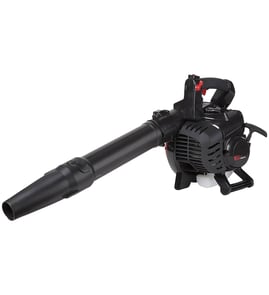
A Craftsman gas leaf blower like model 358794775 typically lasts about 8 to 10 years with normal homeowner use and routine maintenance. Heavy seasonal use, dusty conditions, and running old fuel can shorten life; regular air-filter service and clean fuel extend it.
- Fuel quality and storage: fresh, properly mixed fuel (if 2-cycle) and draining or stabilizing fuel for storage
- Air filtration: a clogged filter makes the engine run rich and lose power
- Cooling airflow: debris around the engine shroud can cause overheating
- Starting and ignition health: worn switches, weak spark, or hard-starting habits increase wear
- Vacuuming wet debris (if used as a vac): can stress the impeller and clog tubes/bag
- Clean or replace the air filter regularly; use the correct leaf blower air filter 545146501.
- Keep the filter cover sealed and intact; replace a cracked or missing ayp leaf blower air filter cover 545139201.
- Empty and inspect the vacuum bag (if equipped) and replace a torn bag to maintain airflow.
- Check fasteners and housings for looseness and vibration damage.
- Use fresh fuel and avoid long-term storage with fuel in the tank.
| Use pattern | Typical life | What usually ends it first |
|---|---|---|
| Light (occasional yard cleanup) | 10+ years | Fuel system varnish from storage |
| Moderate (weekly in season) | 8 to 10 years | Air filter neglect, carb issues |
| Heavy (large property, frequent vacuuming) | 5 to 8 years | Impeller wear, overheating, vibration |
Knowing the expected lifespan helps you decide whether to tune up (air filter, fuel system, switch) or plan for bigger repairs. On older blowers, restoring airflow and fuel delivery often brings back power and easier starting.
Last updated: January 2026
What oil do I mix with gas for my leaf blower?
For the Craftsman 358794775 gas leaf blower, use 2-cycle (2-stroke) engine oil mixed with fresh unleaded gasoline; most blowers in this class run a 50:1 fuel-to-oil mix (2.6 oz oil per 1 gallon of gas). If your blower smokes heavily or won’t stay running, the mix ratio and fuel freshness are the first things to correct.
Use the ratio specified for your engine; when you do not have the exact spec handy, 50:1 is the most common starting point for modern 2-cycle handheld equipment.
| Mix ratio | Oil per 1 gallon gas | Oil per 1 quart gas |
|---|---|---|
| 50:1 | 2.6 oz (about 77 ml) | 0.64 oz (about 19 ml) |
| 40:1 | 3.2 oz (about 95 ml) | 0.8 oz (about 24 ml) |
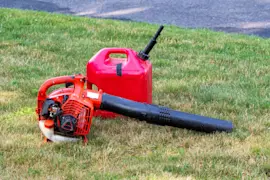
- Use a clean, approved gas can (not the blower’s tank) for mixing.
- Add the measured 2-cycle oil first, then add gasoline.
- Cap the can and shake to blend before filling the blower.
- Mix only what you will use in about 30 days; old fuel causes hard starting.
- If the blower has been sitting, drain old fuel and refill with fresh mix.
- Too much oil: excessive smoke, oily muffler, spark plug fouling, sluggish power.
- Too little oil: overheating, loss of power under load, scoring damage risk.
- Stale fuel: starts then dies, surging, poor throttle response.
A 2-cycle Craftsman blower like model 358794775 relies on the oil in the fuel to lubricate the crankshaft and piston. The correct mix ratio protects the engine, improves starting, and reduces plug fouling and carbon buildup.
If fuel mix is correct but performance is still poor, these maintenance parts are common next checks:
- Leaf blower air filter 545146501
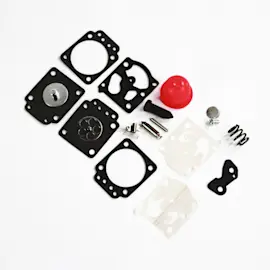
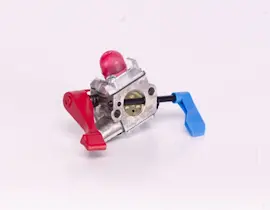
- Ayp leaf blower carburetor 545081857
- Leaf blower fuel tank cap 578931604
Last updated: January 2026
What is the best gas-powered leaf blower on the market?
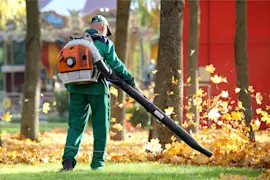
The “best” gas-powered leaf blower depends on how you’ll use it: handheld blowers are easier for quick cleanup, while backpack blowers deliver higher airflow for large yards and heavy debris. For performance, shoppers typically compare CFM (air volume), MPH (air speed), weight, and vibration control.
Use these criteria to narrow it down fast:
- Yard size and debris: small patios vs. wet leaves and acorns
- Type: handheld for convenience; backpack for long sessions
- Power metrics: higher CFM moves more material; higher MPH helps lift stuck debris
- Weight and comfort: harness quality matters on backpack units
- Starting and controls: easy-start systems, cruise control, and accessible choke
- Serviceability: air filter access, fuel line routing, and common wear parts availability
These are the most common best-in-class groupings customers shop by:
| Best for | What to look for | Typical tradeoff |
|---|---|---|
| Large yards, heavy leaf season | Backpack, high CFM, padded harness | Higher cost and storage space |
| All-around homeowner use | Mid-power handheld, good balance | Less output than backpack |
| Long run time and durability | Proven engine design, easy filter service | Often heavier |
Even a strong blower feels weak if airflow or fuel delivery is restricted. On your Craftsman model 358794775, these maintenance items make the biggest difference:
- Replace or clean the air filter regularly; a clogged filter reduces power
- Inspect the air box and cover for a tight seal to prevent dirt ingestion
- Use fresh, properly mixed fuel (for 2-cycle engines) and don’t store old mix
- Check for cracked fuel lines and a loose fuel cap that can affect fuel flow
- Keep the tube/nozzle clear; restrictions cut effective CFM
Helpful model-matched parts to start with:
Gas blowers are judged by real-world cleanup speed. Matching blower type and power to your yard, then keeping the air intake and fuel system healthy, delivers the airflow and reliability people associate with “best on the market.”
Last updated: January 2026